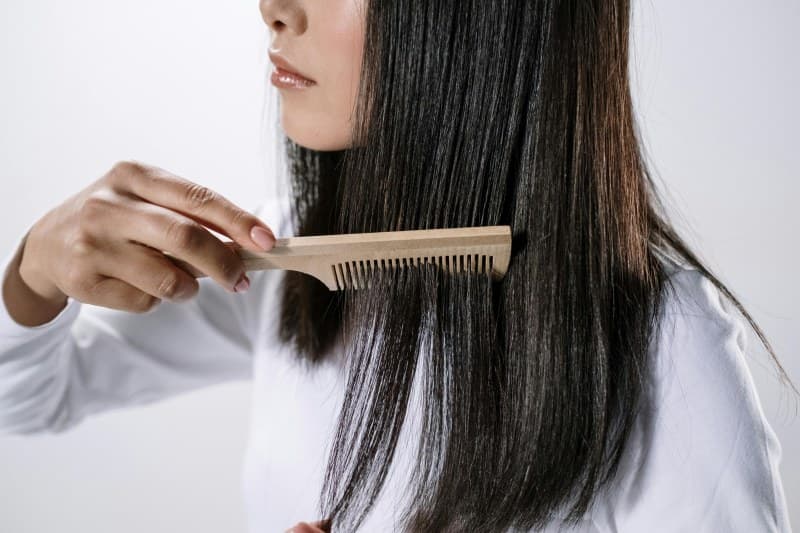
Ever stepped outside on a muggy morning, only to look in the mirror 10 minutes later and see your once-sleek hair turned into a fuzzy cloud? You’re not alone. Humidity is every hair lover’s arch-nemesis, but understanding why it happens and having a few tricks up your sleeve can save the day.
Why Humidity Wreaks Havoc on Hair
Hair is made of keratin, a protein with tiny gaps in its structure called cuticles. When the air is humid, these cuticles absorb moisture from the air, causing the hair shaft to swell. This swelling disrupts the hair’s natural shape, leading to that unruly frizz we all hate. Think of it like a dry sponge—dip it in water, and it expands. Your hair does the same with humidity.
Anti-Frizz Product Showdown: Which One Fits Your Hair?
Not all anti-frizz products are created equal. Here’s a quick comparison to help you pick:
| Product Type | Pros | Cons | Best For |
|---|---|---|---|
| Hair Serum | Lightweight, adds shine, tames flyaways | Can weigh down fine hair if overused | Fine to medium hair |
| Leave-In Conditioner | Hydrates, detangles, protects from heat | May leave residue on oily hair | Curly or dry hair |
| Hair Oil | Deeply moisturizes, seals cuticles | Greasy if applied to roots | Thick or coarse hair |
6 Simple Fixes to Tame Frizz in Humidity
- Start with a hydrating shampoo: Dry hair absorbs more humidity, so keeping it moisturized is key. Look for shampoos with ingredients like shea butter or hyaluronic acid.
- Apply a leave-in conditioner: After washing, spritz or smooth a leave-in conditioner through your hair to lock in moisture and create a barrier against humidity.
- Use a microfiber towel: Rubbing wet hair with a regular towel causes friction and frizz. Pat it dry with a microfiber towel instead.
- Try a silk pillowcase: Cotton pillowcases create friction while you sleep, leading to frizz. Silk ones are smoother, so your hair glides instead of tangling.
- Seal with hair oil: A few drops of oil (like argan or coconut) on the ends of your hair can seal the cuticles and keep moisture out.
- Opt for a low-manipulation hairstyle: Braids, buns, or ponytails keep hair close to your head, reducing its exposure to humidity. Just don’t pull too tight—this can cause breakage.
A Little Story to Relate
My friend Mia used to dread summer because her curly hair would turn into a frizzy mess the second she stepped outside. She tried every product under the sun until she found a routine: a hydrating shampoo, leave-in conditioner, and a silk pillowcase. Now, she embraces her curls even on the most humid days—no more hiding under hats!
“Self-care is how you take your power back.” — Lalah Delia
This quote reminds us that taking care of our hair isn’t just about looking good—it’s about feeling confident and in control, even when the weather tries to ruin our day.
FAQ: Your Frizz Questions Answered
Q: Does cutting hair shorter help with frizz?
A: Yes! Shorter hair has less weight pulling on the cuticle, so it’s less likely to frizz. But it’s not a permanent fix—you still need to use anti-frizz products to keep it smooth.
Q: Can I use hairspray to tame frizz?
A: Yes, but choose a lightweight, anti-frizz hairspray. Heavy hairspray can make your hair stiff and crunchy, which is the opposite of what you want.