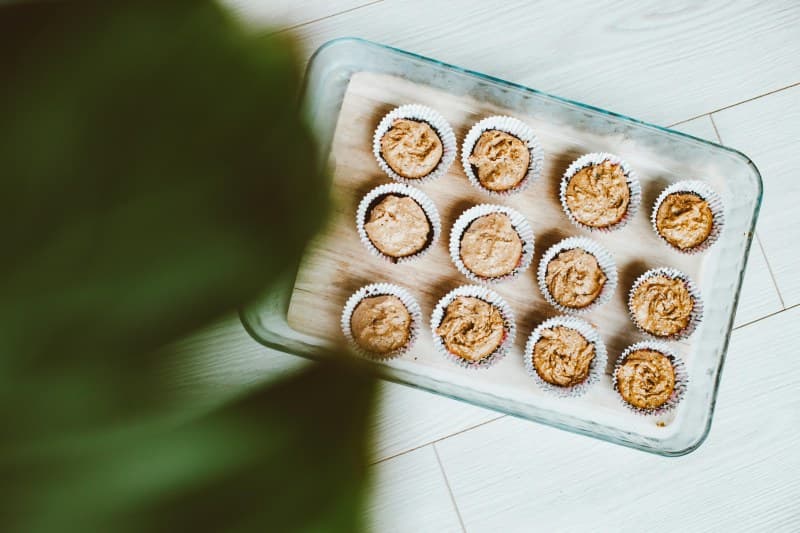
Last weekend, I tried to bake chocolate chip cookies for my neighbor’s 8-year-old’s birthday. I mixed the dough, dropped spoonfuls onto the tray, and slid it into the oven—excited to see golden, chewy treats. But when I opened the oven door 12 minutes later, my heart sank: the cookies had spread into a single, lumpy blob, oozing chocolate all over the pan. I ended up buying store-bought cookies instead, but I vowed to figure out what went wrong. If you’ve ever had this happen, you’re not alone. Let’s break down the 4 most common reasons your cookies go wrong—and how to fix them.
1. Your Butter Was the Wrong Temperature 🍯
Butter is the secret to cookie structure. If it’s melted or super soft (like puddle-soft), it can’t hold the air bubbles created when you cream it with sugar. Those bubbles are what give cookies their lift—without them, your dough will spread like a puddle. On the flip side, if your butter is too cold, you can’t cream it properly, leading to dense, flat cookies that don’t rise.
💡 Fix: Let butter sit at room temperature for 30-60 minutes. It should be soft enough to press a finger into but not squishy. If you’re in a hurry, microwave it in 5-second bursts (but don’t melt it).
2. Your Oven Is Too Cold (or Uncalibrated) 🔥
Ovens lie—especially older ones. If your oven runs 25-50 degrees Fahrenheit cold, your cookies will take longer to set. By the time they finally harden, they’ve already spread all over the tray. Even a small temperature difference can make a big impact.
💡 Fix: Use an oven thermometer to check the actual temperature. Preheat the oven 15 minutes before baking to ensure it’s stable. If your oven is consistently off, adjust the settings or use a baking stone to help distribute heat evenly.
3. Too Much Sugar or Liquid 🧂
Sugar is hygroscopic—it draws moisture from the air. Too much sugar in your dough can make it runny, causing cookies to spread. Extra liquid (like milk or eggs) can also thin the dough, leading to the same problem. Even a tablespoon over can make a difference.
💡 Fix: Measure ingredients precisely. Use a kitchen scale for dry ingredients (like sugar and flour) instead of cups—this is the most accurate way. If your dough is too runny, add a tablespoon of flour at a time until it’s thick enough to hold its shape.
4. You Skipped Chilling the Dough ❄️
Chilling cookie dough isn’t just a suggestion—it’s a game-changer. When you chill dough, the butter solidifies, which helps cookies hold their shape in the oven. It also gives the flour time to absorb liquid, making the dough thicker. Plus, chilling develops the flavor of the cookies (hello, deeper chocolate notes!).
💡 Fix: Chill your dough for at least 30 minutes (or overnight for best results). If you’re short on time, pop it in the freezer for 15 minutes. Just make sure to let it sit for a minute before baking so it’s easy to scoop.
Common Cookie Issues: Quick Fixes Table
Here’s a handy table to reference next time your cookies go wrong:
| Issue | Common Cause | Easy Fix |
|---|---|---|
| Spread too thin | Butter too soft or oven too cold | Use room temp butter + check oven temp |
| Flat & dense | Butter too cold or no chilling | Cream butter properly + chill dough |
| Burnt edges, raw center | Oven temp too high or dough balls too big | Lower oven temp + use smaller scoops |
What the Pros Say
“The only real stumbling block is fear of failure. In cooking you’ve got to have a what-the-hell attitude.” — Julia Child
Julia Child’s words ring true for baking too. Don’t let a batch of spread-out cookies stop you from trying again. Every mistake teaches you something—like how important butter temperature is, or why chilling dough matters.
FAQ: Your Cookie Questions Answered
Q: Can I use margarine instead of butter for cookies?
A: Margarine has more water than butter, which can cause cookies to spread more. For best results, stick to unsalted butter. If you must use margarine, choose a stick variety (not tub) and make sure it’s at room temperature.
Q: Do I need to use a cookie scoop?
A: A cookie scoop ensures all your dough balls are the same size, so they bake evenly. If you don’t have one, use two spoons to shape the dough into uniform balls. This prevents some cookies from spreading more than others.
Next time you bake cookies, keep these tips in mind. With a little attention to detail, you’ll be making perfect, chewy (or crispy) cookies that everyone will love. Happy baking! 🍪