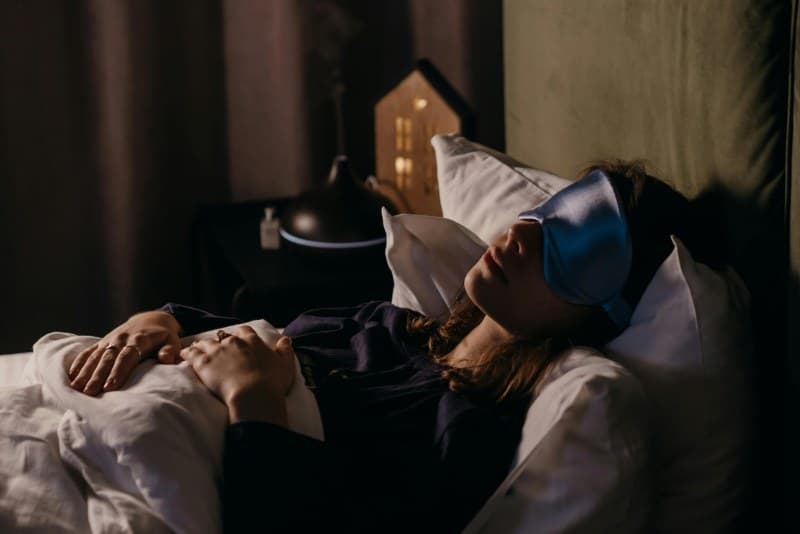
Maria had tried everything to fix her sleep: cutting out coffee after noon, buying a fancy pillow, even taking over-the-counter sleep aids. But nothing stuck—until she started small. She began leaving her phone in another room 30 minutes before bed and stretching for 5 minutes each night. Within a week, she was falling asleep faster and waking up less frequently. The secret? Small, consistent habits that align with how her body works.
7 Small Daily Habits to Boost Sleep Quality 🌙
You don’t need a complete lifestyle overhaul to get better sleep. These tiny, science-backed changes can make a big difference:
1. Get 10 Minutes of Morning Sunlight
Exposing your eyes to natural light within an hour of waking helps reset your circadian rhythm. A 2021 study in the Journal of Clinical Sleep Medicine found that morning sunlight reduced the time it took participants to fall asleep by 16 minutes.
2. Cut Liquid Intake 1 Hour Before Bed
Drinking too much water or other liquids close to bedtime increases nighttime bathroom trips. Try sipping your last glass of water an hour before bed to avoid interruptions.
3. Keep Your Bedroom Cool (60-67°F)
Your body’s core temperature needs to drop by about 1-2°F to fall asleep. A cool room helps this process. If you can’t adjust the thermostat, use a fan or light blankets.
4. Do 5 Minutes of Gentle Stretching
Stretching relieves muscle tension from the day. Focus on areas like your neck, shoulders, and legs. Try child’s pose or gentle hamstring stretches—no need for intense yoga.
5. Avoid Screens 30 Minutes Before Bed
Blue light from phones, TVs, and laptops suppresses melatonin, the hormone that regulates sleep. Swap screens for a book or soft music instead.
6. Stick to a Consistent Sleep Schedule (Even Weekends)
Going to bed and waking up at the same time every day stabilizes your circadian rhythm. A 2020 study found that people who varied their sleep times by more than 2 hours had worse sleep quality.
7. Write Down Worries Before Bed
Jotting down your to-do list or concerns 15 minutes before bed clears your mind. A 2018 study showed that this simple practice reduced the time it took participants to fall asleep by 15 minutes.
Good vs. Bad Habits: A Quick Comparison
Not sure which habits are helping or hurting? Here’s a breakdown:
| Habit Type | Good Practice | Bad Practice | Impact |
|---|---|---|---|
| Light Exposure | 10 mins morning sunlight | Blue light before bed | Good: Regulates circadian rhythm; Bad: Suppresses melatonin |
| Liquid Intake | Stop drinking 1hr before bed | Drink large amounts late at night | Good: Reduces bathroom trips; Bad: Disrupts sleep |
| Sleep Schedule | Consistent times (even weekends) | Stay up late on weekends | Good: Stabilizes rhythm; Bad: Confuses your body |
FAQ: Your Sleep Questions Answered
Q: Can I take a nap if I’m having trouble sleeping at night?
A: Short naps (20-30 minutes) before 3 PM are okay—they won’t disrupt nighttime sleep. Long naps (over an hour) or naps after 3 PM can make it harder to fall asleep at night.
Wisdom to Remember
“Early to bed and early to rise, makes a man healthy, wealthy, and wise.” — Benjamin Franklin
Franklin’s words ring true today. A consistent sleep schedule isn’t just about rest—it’s about setting yourself up for a productive, healthy day.
Improving sleep quality doesn’t have to be complicated. Start with one or two of these habits, and see how your body responds. Over time, these small changes will add up to more restful nights and energized days.