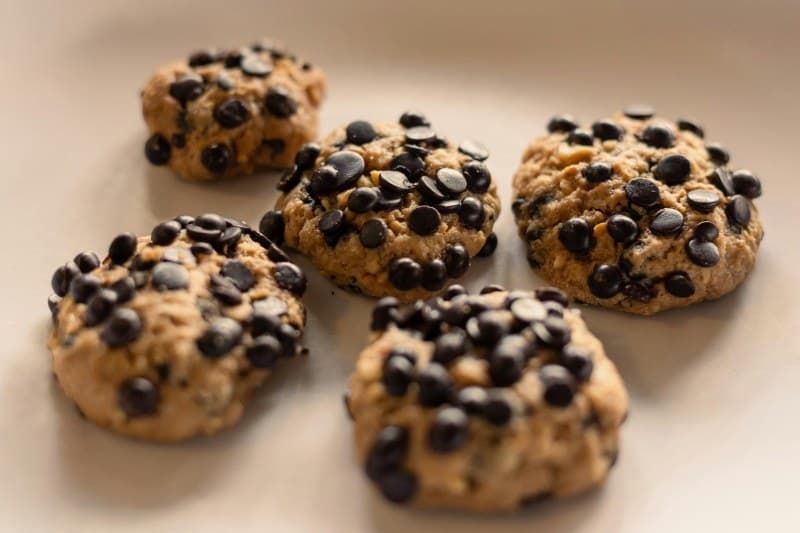
Last week, I tried baking chocolate chip cookies for my neighbor’s kid’s birthday. I creamed butter and sugar, mixed in dry ingredients, and popped them in the oven—only to find flat, crispy blobs that looked more like cookie pancakes than individual treats. If you’ve ever faced this frustration, you’re not alone.
Why Do Cookies Spread Too Thin?
Three main culprits cause cookies to spread: butter that’s too soft (melts quickly in the oven, making dough runny), oven temperature too low (cookies take too long to set, so they spread before firming up), and too much granulated sugar (attracts moisture, thinning the dough).
2 Fixes to Stop Cookies From Spreading
Here’s a side-by-side look at the two most effective ways to fix spread cookies:
| Fix Method | How It Works | Pros | Cons | Time Needed |
|---|---|---|---|---|
| Chill the Dough | Slows butter melting, helping dough hold its shape | Improves flavor, creates chewier texture | Takes time (30 mins to overnight) | 30 mins minimum |
| Adjust Oven Temp | High temp (375°F/190°C) sets cookies quickly | Fast, no waiting | Requires oven calibration; risk of over-browning | 5 mins (preheat adjustment) |
“Baking is a science, but it’s also an art. The best results come from patience and attention to detail.” — Ina Garten
This quote hits home for cookie baking. My friend Sarah used to skip chilling her dough to save time, but after leaving her chocolate chip dough in the fridge for an hour, her next batch was thick, chewy, and perfectly round. She even won a small office baking contest with those cookies!
FAQ: Common Cookie Spread Questions
Q: Can I use margarine instead of butter to prevent spreading?
A: Margarine has more water than butter, which can actually make cookies spread more. Stick to unsalted butter at room temperature (not melted) for best results.
Q: What if my cookies still spread after trying these fixes?
A: Check your flour—cake flour is lighter than all-purpose, so it can make dough too runny. Use all-purpose flour, and avoid overmixing (overmixing develops gluten, which causes spreading).
Baking perfect cookies isn’t about being perfect—it’s about learning from mistakes. Next time your cookies spread too thin, try one of these fixes, and you’ll be enjoying chewy, delicious treats in no time.