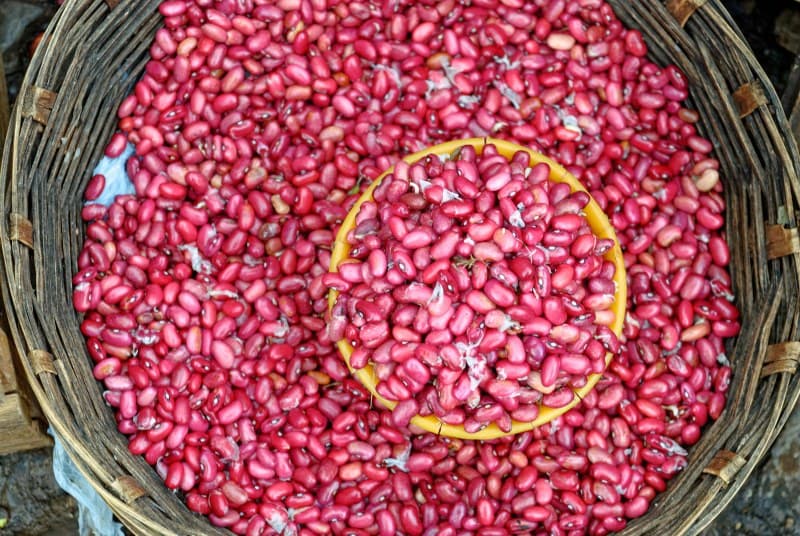
If you’ve ever stared at a bag of dried beans, wondering if you have to soak them overnight to get tender results, you’re not alone. For years, I thought this was a non-negotiable step—until I forgot to soak my black beans one night and ended up with a pot of fluffy, flavorful beans anyway. Let’s break down the truth about soaking and debunk 6 common bean-cooking myths that might be slowing you down.
The Truth About Soaking Beans
Soaking beans does two main things: it reduces cooking time and may make them easier to digest (by breaking down some indigestible sugars). But here’s the kicker: you don’t have to do it. Quick soaks (boil for 10 minutes, then let rest for 1 hour) work just as well, and skipping the soak entirely is an option—you just need to cook them longer.
6 Common Bean-Cooking Myths Debunked
- Myth 1: Overnight soaking is the only way to get tender beans. Truth: Quick soaks or no soaks work too—adjust cooking time accordingly.
- Myth 2: Adding salt to the soaking water makes beans tough. Truth: Salt actually seasons beans from the inside out and doesn’t affect tenderness. Add a pinch to your soak or cooking water!
- Myth 3: Discard soaking water to reduce gas. Truth: While some gas-causing compounds leach into water, discarding it removes nutrients. Add baking soda to cooking water instead for less gas.
- Myth 4: All beans take the same time to cook. Truth: Small beans (lentils) cook in 20-30 mins; larger ones (chickpeas) take 1-2 hours—even with soaking.
- Myth 5: Beans are done when soft. Truth: Beans should be tender but not mushy. Test by biting into one—crunchy center means keep cooking.
- Myth 6: You can’t freeze cooked beans. Truth: Cooked beans freeze beautifully! Cool, store in airtight containers for up to 3 months.
Soaking Methods: Which One Is Right for You?
Compare the three main soaking methods to pick what fits your schedule:
| Method | Time | Pros | Cons |
|---|---|---|---|
| Overnight Soak | 8-12 hours | Shortest cooking time, may reduce gas | Requires planning ahead |
| Quick Soak | 1 hour (10 mins boil + 50 mins rest) | Fast, no overnight wait | Slightly longer cooking time than overnight |
| No Soak | 0 mins | No prep time, great for busy days | Longest cooking time (add 30-60 mins) |
A Little Story About Beans and Patience
My friend Lila used to be a stickler for overnight soaks. She’d set beans in water every night before bed, even if she wasn’t sure she’d cook them the next day. One Tuesday, she came home late and forgot to soak kidney beans for chili. Panicked, she tried a quick soak: boil 10 mins, rest 1 hour. The beans turned out just as tender as her usual ones. Now she swears by quick soaks—saving time and reducing forgotten bean waste.
“Cooking is about balance—knowing when to rush and when to wait.” — Ina Garten
This quote sums up bean cooking perfectly. You don’t have to wait overnight if you don’t have time, but choosing the right method (soak or not) makes all the difference in flavor and texture.
FAQ: Your Bean Questions Answered
Q: Can I use canned beans instead of dried?
A: Yes! Canned beans are convenient, but dried beans are cheaper and have better texture. Rinse canned beans to remove excess sodium.
Q: How do I prevent beans from bursting?
A: Don’t overcook them, and avoid acidic ingredients (like tomatoes) until beans are tender—acid slows cooking and makes beans tough.
Final Tips for Perfect Beans
- Sort beans to remove stones or debris before cooking.
- Use a large pot—beans expand as they cook!
- Add herbs (bay leaves) or aromatics (onion, garlic) to cooking water for extra flavor.