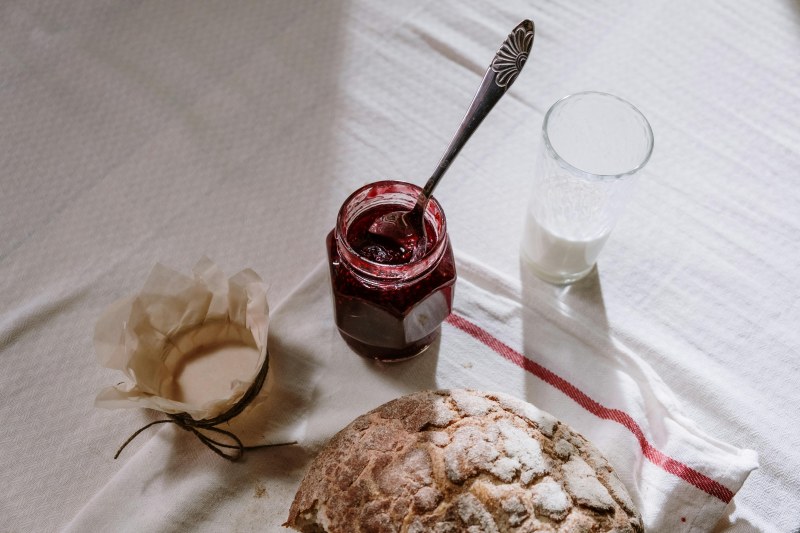
There’s nothing more disappointing than pulling a loaf of homemade bread out of the oven, only to find it’s dense, flat, or didn’t rise at all. I remember my first attempt: I followed the recipe to the letter, but the loaf was so heavy it could’ve doubled as a doorstop. Turns out, even small missteps can derail your bread. Let’s break down the 4 most common reasons bread fails—and how to fix them.
4 Key Reasons Your Homemade Bread Fails (And Fixes)
1. Underproofed Dough 🍞
Underproofing means your dough didn’t rise long enough for the yeast to produce enough gas. Signs: The loaf is dense, has small holes inside, or didn’t expand in the oven. Fix: Let the dough rise until it’s double in size. For most recipes, this takes 1-2 hours at room temperature (75°F/24°C). If it’s cold, place it near a warm oven or use a proofing box.
2. Overkneading the Dough 💪
Kneading develops gluten, but too much makes it tight and elastic—so the dough can’t expand. Signs: The dough is tough, hard to shape, and the final loaf is chewy or dense. Fix: Stop kneading when the dough is smooth and springs back slightly when you press it with a finger. For hand-kneading, this is usually 8-10 minutes; for a stand mixer, 5-7 minutes.
3. Wrong Oven Temperature 🔥
Bread needs a hot oven to rise quickly (oven spring) and form a crispy crust. If the oven is too cold, the bread won’t rise enough; too hot, it burns the crust before the inside is done. Signs: Burnt crust, undercooked center, or no oven spring. Fix: Preheat your oven for at least 20 minutes. Use an oven thermometer to check the temperature—many ovens are off by 25-50°F.
4. Expired or Inactive Yeast 🧫
Yeast is the engine of bread—if it’s dead, your dough won’t rise. Signs: The dough doesn’t rise at all, or rises very slowly. Fix: Test your yeast before using: mix 1 tsp yeast with 1/4 cup warm water (105-110°F) and 1 tsp sugar. If it doesn’t bubble after 5-10 minutes, it’s dead—toss it.
Quick Reference Table: Bread Issues & Fixes
Here’s a handy table to keep track of common problems and their solutions:
| Issue | Key Signs | Easy Fix |
|---|---|---|
| Underproofed Dough | Dense loaf, small holes, no oven spring | Let rise until double in size |
| Overkneaded Dough | Tough, chewy, hard to shape | Rest 15 mins, then shape gently |
| Wrong Oven Temp | Burnt crust, undercooked center | Preheat 20 mins, use a thermometer |
| Expired Yeast | No rise at all | Test yeast before using; replace if dead |
Learn From Your Mistakes: A Classic Quote
“The only real mistake is the one from which we learn nothing.” — Julia Child
No one bakes perfect bread on their first try. Julia Child’s words ring true here—every dense loaf or flat rise is a chance to adjust and improve. My friend Sarah kept making dense bread until she realized she was rushing the proofing step. She started letting her dough rise for an extra hour, and now her sourdough loaves are the envy of our book club.
FAQ: Common Bread Baking Question
Q: Can I save overkneaded or underproofed dough?
A: For overkneaded dough: Let it rest for 15 minutes to relax the gluten, then shape it and let it proof. It might not be as light as perfect dough, but it will still taste good. For underproofed dough: Let it rise longer until it doubles, then bake as usual. If it’s already in the oven and didn’t rise, you can’t fix it—but next time, take your time!
Baking bread is a mix of science and patience. By avoiding these 4 common mistakes, you’ll be on your way to crusty, fluffy loaves that fill your kitchen with that amazing fresh-bread smell. Remember: even the best bakers make mistakes—so don’t give up!