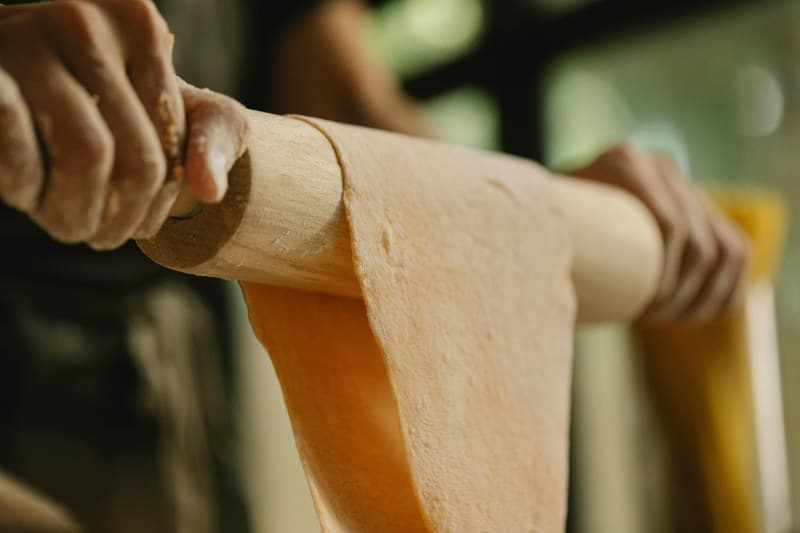
I still remember my first attempt at homemade bread. I mixed flour, yeast, water, and salt, let it sit for hours… and it barely puffed up. The result was a dense, brick-like loaf that my dog politely ignored. If you’ve been there, you’re not alone. Homemade bread rising issues are common, but they’re usually fixable with a few simple tweaks.
Why Bread Fails to Rise: The Key Culprits
Bread rises because yeast eats sugar and releases carbon dioxide, which gets trapped in the gluten network (the stretchy structure from kneading). When this process goes wrong, it’s often due to one of these: expired yeast, wrong water temperature, insufficient kneading, or a too-cold rising spot.
Yeast Types 101: Which One Fits Your Bake?
Choosing the right yeast can make or break your loaf. Here’s a quick comparison:
| Yeast Type | Activation Needed? | Shelf Life | Best For |
|---|---|---|---|
| Active Dry Yeast | Yes (warm water + sugar) | 6-12 months (pantry) | Artisan loaves, rolls |
| Instant Yeast | No (mix directly with flour) | 12-24 months (pantry) | Quick breads, pizza dough |
| Fresh Yeast | Yes (crumbled + warm water) | 1-2 weeks (refrigerator) | Rich, buttery breads |
7 Science-Backed Fixes to Get Your Bread Rising
- Test Yeast Freshness First 💡: Mix 1 tsp yeast with 1/4 cup warm water and 1 tsp sugar. If it doesn’t bubble in 10 minutes, it’s expired—toss it.
- Use the Right Water Temperature 🧪: Active dry yeast needs 105-110°F (40-43°C) water. Too hot kills yeast; too cold slows it down.
- Knead Enough: Knead for 8-10 minutes (or 5 minutes in a mixer) to develop gluten. This traps the CO2 that makes bread rise.
- Find a Warm, Draft-Free Spot: A turned-off oven with the light on is perfect. Avoid cold windows or drafty corners.
- Don’t Overmix: Overmixing can break down gluten, so stop once ingredients are combined.
- Use High-Protein Flour: Bread flour (12-14% protein) creates a stronger gluten network than all-purpose flour.
- Add a Pinch of Sugar: Yeast feeds on sugar—even a tiny bit helps it activate faster.
“The only real stumbling block is fear of failure. In cooking, you’ve got to have a what-the-hell attitude.” — Julia Child
This quote sums up bread baking perfectly. Even if your first loaf flops, tweaking one or two variables can turn things around. I once fixed my rising issue by simply switching to bread flour—my next loaf was light and fluffy, and my dog finally ate it!
Quick Q&A: Can I Rescue a Loaf That Didn’t Rise?
Q: I let my bread rise for 2 hours, but it’s still flat. Is there any way to save it?
A: It depends. If your yeast was expired, start over. If it’s under-risen (too cold), move it to a warmer spot for another 30-60 minutes. If it still doesn’t rise, repurpose it: roll into flat circles and pan-fry for naan or garlic bread—no waste!