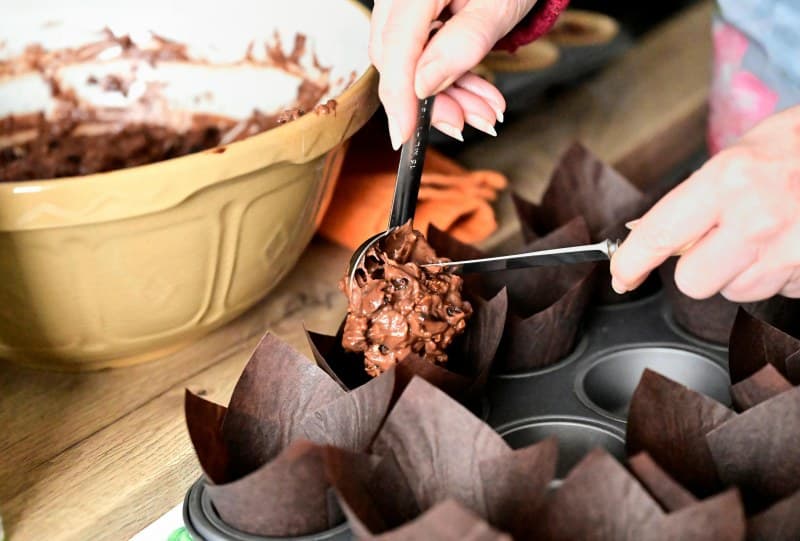
Last weekend, I spent an hour mixing, kneading, and waiting for my sourdough loaf to rise. Instead of a puffy, golden dome, I got a flat, dense brick that could double as a doorstop. Sound familiar? If your homemade bread has ever let you down, you’re not alone. Let’s break down the 4 most common reasons it doesn’t rise—and how to fix them fast.
1. Yeast That’s Past Its Prime or Misactivated
Yeast is the engine of bread rising—it feeds on sugar and produces carbon dioxide to make dough expand. If your yeast is expired or not activated correctly, it won’t do its job. I once used a packet of yeast that had been in my pantry for two years; the dough didn’t budge an inch.
Signs: Dough stays the same size after hours of proofing. Fix: Always check yeast expiration dates. To activate, mix yeast with warm (105–110°F) water and a teaspoon of sugar—if it doesn’t bubble within 5 minutes, it’s dead.
2. Temperature Troubles (Too Hot or Too Cold)
Dough needs a warm, consistent environment to rise. Too hot (over 115°F) kills yeast; too cold (below 70°F) slows it to a crawl. My neighbor once left her dough on a windowsill in winter—after 4 hours, it was still flat.
Signs: Slow rise (cold) or no rise at all (hot). Fix: Use a turned-off oven with a bowl of hot water inside for proofing—this creates a cozy, humid space.
3. Over-Kneading or Under-Kneading
Gluten is what holds the gas from yeast. Under-kneaded dough has weak gluten (can’t hold gas), while over-kneaded dough breaks gluten down (collapses). I once kneaded my dough for 20 minutes straight—result? A tough, dense loaf.
Signs: Under-kneaded (sticky, can’t hold shape); over-kneaded (tough, elastic to the point of breaking). Fix: Knead until the dough passes the window pane test—take a small piece, stretch it thin; if it’s translucent without tearing, it’s ready.
4. Incorrect Flour-to-Liquid Ratio
Too much flour makes dough dry and unable to rise; too much liquid makes it sticky and prone to collapse. I used to measure flour by cup, but switching to a kitchen scale changed everything—cups can vary by how packed the flour is.
Signs: Dry (crumbly, won’t form a ball) or wet (runny, spreads out). Fix: Measure flour by weight (1 cup all-purpose = ~120g) for accuracy.
Quick Reference Table: Reasons & Fixes
| Reason | Key Sign | Quick Fix |
|---|---|---|
| Expired/Misactivated Yeast | No expansion after proofing | Test yeast with warm water + sugar; replace if dead |
| Wrong Temperature | Slow or no rise | Proof in a warm oven with hot water |
| Over/Under Kneading | Tough/dense or sticky dough | Do window pane test; adjust kneading time |
| Incorrect Flour Ratio | Dry crumbly or wet runny dough | Measure flour by weight |
“The only real stumbling block is fear of failure. In cooking you’ve got to have a what-the-hell attitude.” — Julia Child
This quote sums up bread baking perfectly. Even the best bakers have flat loaves sometimes—don’t let a failure stop you from trying again.
Common Q&A
Q: Can I save a loaf that didn’t rise?
A: It depends. If the yeast is dead, start over. If it’s under-proofed, let it rise longer. If it’s over-kneaded, try shaping it and letting it rise again (though it might still be dense). For a quick fix, turn it into croutons or breadcrumbs—no waste!
Next time you bake bread, keep these tips in mind. With a little patience and attention to detail, you’ll be pulling fluffy, golden loaves out of the oven in no time.