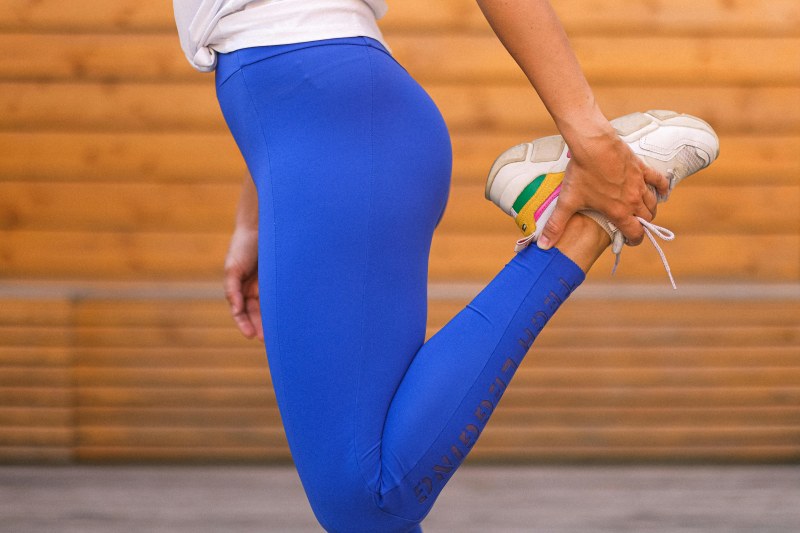
You’re ready to start working out, but where do you begin? Staring at a gym membership flyer makes your wallet cringe, and scrolling through bodyweight workout videos leaves you wondering if they’ll actually work. The good news? For beginners, there are only two core paths to choose from—and both can get you results if you stick with them.
The Two Core Options for Beginner Workouts 🏋️
Bodyweight Workouts: No Gear, No Excuses
Bodyweight workouts use your own body as resistance—think push-ups, squats, planks, and lunges. They’re perfect if you’re short on cash or time, or if you hate the idea of working out in front of others. You don’t need a gym membership or fancy equipment; a yoga mat (or even a towel) is optional but helpful for comfort.
Pros? They’re free, you can do them anywhere (your living room, a park, your dorm room), and the risk of injury is low if you focus on form. Cons? Progression can feel slow—once you master a basic push-up, you have to modify it (like doing diamond push-ups or one-legged squats) to keep challenging your muscles. Some people also find them repetitive after a while.
Gym Equipment Workouts: Structured Progression
Gym workouts use machines, dumbbells, barbells, or resistance bands to add weight to your exercises. This is great if you want to build muscle quickly or target specific areas (like your biceps or glutes). Most gyms have trainers who can show you how to use equipment safely, which is a big plus for beginners.
Pros? You can easily increase the weight as you get stronger, which keeps your workouts challenging. There’s also a wide variety of exercises to keep things interesting. Cons? Gym memberships cost money (usually $30-$50 a month), and you have to plan your schedule around gym hours. If you prefer working out at odd times, this might not be the best fit.
Side-by-Side Comparison: Bodyweight vs Gym Equipment
Not sure which one aligns with your goals? Here’s a quick breakdown:
| Aspect | Bodyweight Workouts | Gym Equipment Workouts |
|---|---|---|
| Gear Required | None (optional yoga mat) | Gym membership or home gear (dumbbells, machines) |
| Cost | Free (or ~$10 for a mat) | $30-$50/month (gym) or $100-$500 (home gear) |
| Time Commitment | 15-30 mins per session | 30-60 mins (including travel to gym) |
| Progression Ease | Requires exercise modifications | Easy (add weight or reps) |
| Injury Risk | Low (with proper form) | Medium (risk of overloading) |
| Flexibility | Do anywhere, anytime | Limited to gym/home setup |
Which One Should You Pick? 💡
It all comes down to your lifestyle and goals. Let’s say you’re a college student with a tight budget and no car—bodyweight workouts are your best bet. You can do them in your dorm between classes, no extra cost. On the other hand, if you’re looking to build muscle for a sports team and have access to a school gym, equipment workouts will help you progress faster.
Take Sarah, a 22-year-old teacher. She started with bodyweight workouts in her living room after work (15 mins a day) because she couldn’t afford a gym membership. After six months, she saved up for a set of dumbbells and added them to her routine to keep challenging herself. The key? She didn’t wait for the “perfect” setup—she started where she was.
Common Myths to Bust
Let’s clear up some misconceptions:
- Myth 1: Bodyweight workouts can’t build muscle. False! Calisthenics athletes (like those who do handstands or muscle-ups) have impressive muscle mass—all from using their own body weight.
- Myth 2: Gym equipment is only for pros. False! Most gyms offer free orientation sessions for beginners, and trainers are happy to show you how to use machines safely. Start with light weights and focus on form.
At the end of the day, the best workout is the one you’ll actually do. Whether you choose bodyweight or gym equipment, consistency is more important than the type of workout. So pick one, start small, and adjust as you go—you’ve got this!