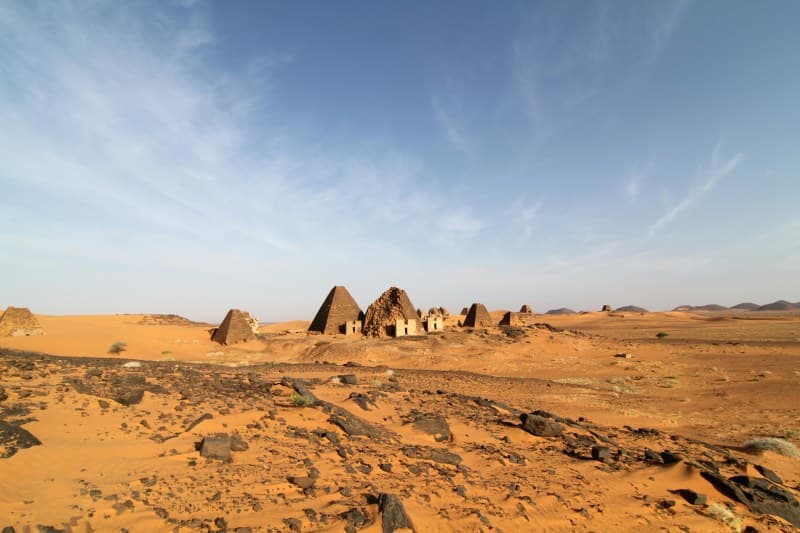
Last year, I stood in the shadow of Machu Picchu, surrounded by crowds snapping selfies. I’d checked the box—visited a UNESCO site—but I felt empty. Then a local guide pulled me aside and pointed out how the Incas aligned the stones with the sun’s solstice. Suddenly, the ruins weren’t just rocks; they were a story of ancient wisdom. That’s when I realized: visiting a UNESCO site isn’t just about seeing—it’s about understanding.
5 Key Things to Know for Meaningful UNESCO Site Visits
1. Skip the rush—go off-peak or slow down 🌅
Most UNESCO sites get packed by mid-morning. For Machu Picchu, book the 6 AM entry slot to watch the sunrise over the Andes without the crowds. At Italy’s Pompeii, spend an extra hour wandering the lesser-known streets (like Via dell’Abbondanza) instead of sticking to the main paths. Slow travel lets you notice details—like the faded frescoes in a Pompeii villa or the way wind carries the sound of distant prayers at Jerusalem’s Old City.
2. Learn the local story before you go 📜
Don’t rely on generic guidebooks. For Japan’s Himeji Castle, read a short book about the samurai who once lived there. For the Great Barrier Reef, watch a documentary by Indigenous Australian filmmakers to understand their connection to the ocean. Knowing the context turns a visit from a photo op into a lesson in history and culture.
3. Respect the rules (and unwritten norms)
Many sites have strict rules: no touching ancient walls in Petra, no drones over the Great Wall of China, no eating inside the Taj Mahal. But there are unwritten norms too—like covering your shoulders at India’s Taj Mahal or not speaking loudly in Cambodia’s Angkor Wat. These small acts show respect for the site and its community.
4. Support local communities, not just big brands
Instead of buying mass-produced souvenirs from chain stores near the site, head to nearby villages. At Morocco’s Medina of Marrakech, buy leather goods from a family-owned shop in the souk. At Australia’s Uluru, book a tour with an Indigenous guide—their fees go directly to supporting local communities.
5. Leave no trace (and take only memories)
It sounds cliché, but it’s critical. Don’t carve your name into stone, don’t leave trash, and don’t pick plants. For the Galápagos Islands, follow the park rangers’ instructions to avoid disturbing wildlife. Remember: these sites are for future generations too.
Tourist vs. Authentic UNESCO Site Visits: A Quick Comparison
See how small changes can make a big difference:
| Aspect | Tourist Approach | Authentic Approach |
|---|---|---|
| Time Spent | 1-2 hours (check the box) | Half day or more (deep dive) |
| Focus | Selfies and main landmarks | Stories, history, and local culture |
| Community Support | Chain store souvenirs | Local artisans and guides |
| Memorable Takeaway | A photo album | A deeper understanding of the site |
A Classic Wisdom Check
“By three methods we may learn wisdom: First, by reflection, which is noblest; Second, by imitation, which is easiest; and third by experience, which is the bitterest.” — Confucius
Confucius’s words ring true for UNESCO site visits. Reflection—taking time to think about the site’s meaning—turns a casual visit into a wise one. Instead of rushing to the next landmark, pause and ask: What story does this place tell? How did it shape the people who lived here?
FAQ: Common Question About UNESCO Site Visits
Q: Do I need a guide to visit a UNESCO site?
A: Not always, but a local guide can add depth you won’t find in guidebooks. For example, a guide at Egypt’s Pyramids of Giza can explain how the stones were transported (without aliens!) and share stories about the pharaohs. Look for guides certified by the site’s management to ensure accuracy and respect for local culture.
Visiting a UNESCO World Heritage Site is a privilege. By slowing down, learning the story, and respecting the community, you’ll turn your visit into something unforgettable—not just for you, but for the people who call these places home.