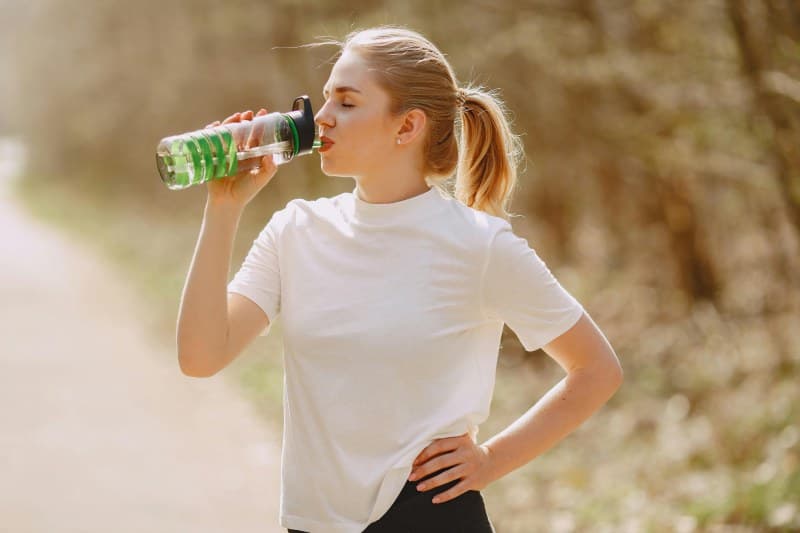
Ever had one of those days where everything feels off—you’re snappy with coworkers, can’t focus on your to-do list, and your energy dips faster than a phone battery? For Sarah, a 34-year-old teacher, that was her Tuesday last week. She’d skipped breakfast, chugged a coffee on the way to school, and by mid-morning, she was snapping at her students over small mistakes. Then she remembered her doctor’s advice: drink more water. She grabbed a 16-ounce bottle, finished it in 10 minutes, and 20 minutes later, she felt like a different person—calmer, focused, and ready to tackle the rest of the day.
Why Hydration Matters More Than You Think
Your body is about 60% water, and your brain is 73% water. Even mild dehydration (losing just 1-2% of your body’s water) can throw your system off balance. It’s not just about quenching thirst—it’s about keeping your brain and body running smoothly.
5 Surprising Ways Hydration Shapes Your Mood & Energy
Let’s break down the less obvious links between water and how you feel:
- Irritability spikes with dehydration: A 2019 study in the Journal of Nutrition found that even mild dehydration increased feelings of anger and frustration in adults. When you’re low on water, your brain’s levels of serotonin (the “happy hormone”) drop, making you more prone to mood swings.
- Focus takes a hit: Dehydration slows blood flow to the brain, reducing oxygen and nutrient delivery. This can make it hard to concentrate on tasks—like forgetting where you put your keys or struggling to finish a report.
- Anxiety-like symptoms creep in: Dehydration can cause your heart rate to rise and make you feel restless, which many people mistake for anxiety. Next time you feel jittery, try drinking a glass of water before reaching for a stress reliever.
- Energy levels plummet: Water helps your body convert food into energy. Without enough, your cells can’t produce ATP (the body’s energy currency) efficiently, leaving you feeling tired even if you’ve slept well.
- Sleep quality suffers: Dehydration can lead to nighttime leg cramps and dry mouth, both of which disrupt sleep. A good night’s rest depends on staying hydrated throughout the day.
Which Hydration Source Is Right For You?
Not all drinks are created equal when it comes to hydrating. Here’s a quick comparison:
| Source | Pros | Cons | Best For |
|---|---|---|---|
| Plain Water | Zero calories, no additives, readily available | Can be boring for some | Daily hydration, all ages |
| Caffeine-Free Herbal Tea | Adds flavor, may have calming benefits (e.g., chamomile) | May not be as hydrating as plain water | Evening hydration, those who dislike plain water |
| Fruit-Infused Water | Natural flavor, adds vitamins (e.g., lemon, berries) | Requires prep time | People who struggle to drink enough water |
| Sports Drinks | Replenishes electrolytes after intense exercise | High in sugar and calories | Long workouts (over 60 minutes) |
Wisdom From the Ages
“Water is the driving force of all nature.” — Leonardo da Vinci
Da Vinci’s words ring true today. Water isn’t just a basic need—it’s the foundation of our physical and emotional health. Every cell in our body depends on it, and when we neglect it, we feel the effects in our mood and energy.
Common Questions Answered
Q: Is the 8-glass-a-day rule really accurate?
A: Not exactly. The amount of water you need varies based on your weight, activity level, and climate. A better guideline is to listen to your body: drink when you’re thirsty, and check your urine color (pale yellow means you’re hydrated; dark yellow means you need more water). For most adults, this translates to about 11-15 cups of fluid per day (including water from food like watermelon or cucumber).
Practical Tips to Stay Hydrated
- Keep a reusable water bottle with you at all times—seeing it will remind you to drink.
- Set reminders on your phone (e.g., every hour) to take a sip.
- Add fruit or herbs to your water for flavor (try lemon, mint, or strawberries).
- Eat water-rich foods: cucumber (96% water), watermelon (92% water), and oranges (87% water) are great options.
- Drink a glass of water before each meal—this also helps with portion control!
Staying hydrated doesn’t have to be complicated. Small, consistent steps can make a big difference in how you feel every day. Next time you’re feeling off, reach for a glass of water—you might be surprised at the results.