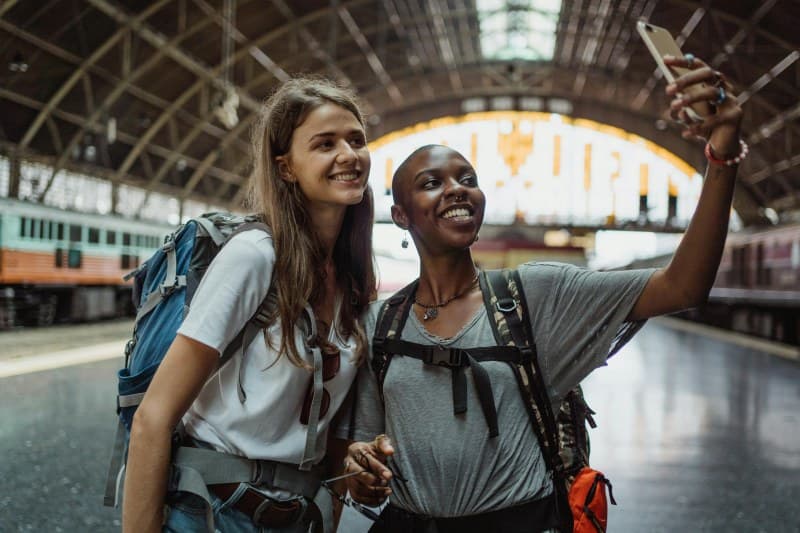
Last year, I visited Lisbon determined to “travel like a local.” I skipped the main square’s tourist cafes and followed a blog’s tip to a tiny bakery—only to find it packed with other tourists. A nearby resident laughed and said, “Try the place down the alley; they don’t even have a sign.” That’s when I realized: traveling like a local isn’t just about avoiding crowds—it’s about connecting with the people and places that make a destination unique.
What Does “Traveling Like a Local” Actually Mean?
It’s not about pretending to live there (you’re still a visitor!). Instead, it’s about engaging with a place on its own terms: eating where locals eat, participating in everyday activities, and respecting cultural norms. It’s less about checking off landmarks and more about creating small, meaningful moments.
5 Myths About Traveling Like a Local (Debunked)
Let’s bust some common misconceptions:
- Myth 1: You need to speak the local language. Nope! Curiosity and respect go further. In Kyoto, I used a translation app to ask a street vendor about his matcha, and he spent 10 minutes showing me how he makes it—no fluent Japanese needed.
- Myth 2: It’s only for budget travelers. Local experiences can be free (like joining a community park yoga class) or splurgy (a private cooking lesson with a local chef). It’s about choice, not cost.
- Myth 3: You have to skip tourist spots. Even famous sites like the Eiffel Tower can be enjoyed like a local—pack a picnic and sit on the Champ de Mars instead of eating at a nearby tourist restaurant.
- Myth 4: It’s time-consuming. A 15-minute chat with a bookstore owner or a quick stop at a neighborhood market can add local flavor to any itinerary.
- Myth 5: It’s only for solo travelers. Groups can join local tours (like a street art walk led by a local artist) or cook together with a family—teamwork makes it even more fun!
How Local Travel Impacts Communities: Tourist vs. Local
Wondering how your travel choices affect the places you visit? Here’s a quick comparison:
| Aspect | Tourist Travel | Local Travel |
|---|---|---|
| Economic Benefit | Most money goes to large hotels/chain restaurants. | Money stays in the community (small businesses, family-run shops). |
| Cultural Exchange | Surface-level interactions (e.g., buying souvenirs). | Deep, two-way exchanges (e.g., learning a local craft). |
| Environmental Footprint | High (e.g., crowded tour buses, single-use plastics). | Lower (e.g., walking/biking, reusable containers). |
| Community Connection | Minimal (visitors stay separate from locals). | Strong (visitors become part of the daily rhythm). |
Practical Hacks to Travel Like a Local
Ready to try it? Here are three easy ways:
- Ask locals for recommendations. Skip the generic guidebooks—ask a barista, taxi driver, or shopkeeper where they go. In Mexico City, a taco stand owner told me about a hidden park where locals gather to listen to mariachi.
- Join a small, local-led tour. Look for tours run by residents (not big companies). I joined a street food tour in Bangkok led by a local food blogger—we ate at spots only locals knew about.
- Respect local customs. Learn a few basic phrases (hello, thank you), dress appropriately (e.g., cover your shoulders in temples), and follow local etiquette (e.g., take off your shoes in Japanese homes).
FAQ: Do I Need to Be “Adventurous” to Travel Like a Local?
Q: I’m a shy traveler—can I still travel like a local without stepping out of my comfort zone?
A: Absolutely! Small acts count: buying fruit from a local market instead of a grocery store, or sitting in a park and watching locals go about their day. You don’t have to do anything bold—just be present and open.
Final Thought: The Journey Is the Destination
“The journey is the destination.” — Paul Theroux
This quote sums up why traveling like a local matters. It’s not about where you go, but how you experience it. Whether you’re sipping coffee at a neighborhood cafe or learning to make pasta with an Italian grandmother, these moments are what make travel unforgettable. So next time you plan a trip, skip the tourist traps and dive into the local world—you won’t regret it.