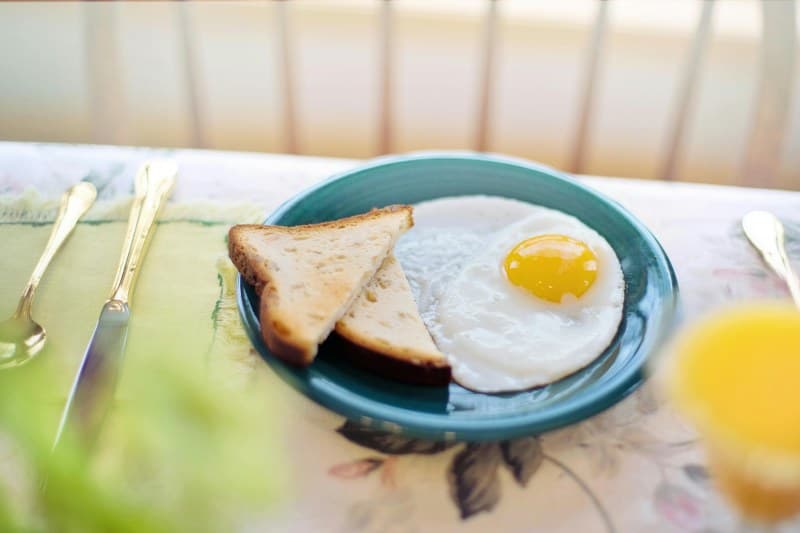
We’ve all been there: you pop a slice of bread into the toaster, wander off to grab coffee, and come back to a charred mess. Or worse, a slice that’s pale on one side and burnt on the other. Toast seems simple, but there’s a surprising amount of science behind getting it just right.
What Makes Toast Toast?
Toast isn’t just warm bread—it’s the result of the Maillard reaction, a chemical dance between amino acids and sugars when heated. This reaction creates those golden brown hues and the savory, nutty flavors we love. Without it, you’re just eating warm bread.
5 Key Factors Shaping Your Toast
Getting toast perfect boils down to five critical elements:
- Heat Level: Too high burns the surface before the inside is toasted; too low leaves it soggy.
- Bread Thickness: Thicker slices need longer to toast evenly.
- Moisture Content: Stale bread toasts faster (less moisture to evaporate).
- Toaster Type: Pop-up toasters are quick, but toaster ovens offer more control for thick or artisanal breads.
- Browning Setting: It’s not just time—some toasters adjust heat intensity too.
Bread Types & Toasting Tips
Not all breads toast the same way. Here’s a quick guide to get the best results:
| Bread Type | Ideal Pop-up Toaster Time | Pro Tip |
|---|---|---|
| White Sandwich | 2-3 mins | Light browning for a soft center |
| Whole Grain | 3-4 mins | Thicker slices need extra time to crisp |
| Sourdough | 2.5-3.5 mins | Medium heat to enhance tangy flavors |
| Rye | 3-4 mins | Dark golden toast brings out deep, earthy notes |
| Brioche | 1.5-2 mins | Low heat to avoid burning the sweet crust |
Common Toast Myths Debunked
- Myth: Higher heat = crispier toast. Fact: Medium heat is better—high heat burns the surface before the inside is done.
- Myth: Frozen bread can’t be toasted. Fact: Most toasters have a frozen setting; add an extra minute for even toasting.
- Myth: All breads toast the same. Fact: As the table shows, moisture and density vary widely across bread types.
A Toast Anecdote
Last year, I hosted a brunch and decided to make avocado toast for everyone. I used fresh sourdough, but the slices kept coming out soggy. After some trial and error, I realized the bread was too fresh—still full of moisture. I left the slices out overnight, and the next morning, they toasted to a crispy, golden perfection. My guests raved about the toast, and I learned that moisture is everything.
Classic Quote on Bread & Toast
“Good bread is the most fundamentally satisfying of all foods; good bread with fresh butter, the greatest of feasts.” — Julia Child
Julia Child’s words ring true—when good bread is toasted to perfection, it elevates even the simplest meal (like buttered toast) into something special.
FAQ: Soggy Toast Woes
Q: Why does my toast get soggy within minutes of toasting?
A: Soggy toast is usually due to condensation. Hot toast absorbs moisture from the air as it cools. To fix this, eat toast immediately, keep it in a warm toaster oven until serving, or avoid covering it with plastic (which traps moisture).
Pro Tips for Perfect Toast
- Let fresh bread sit out for 1-2 hours before toasting to reduce moisture.
- For extra crispness, toast slices twice (light first, then a second round).
- Use a toaster oven for thick slices—adjust the rack position for even browning.