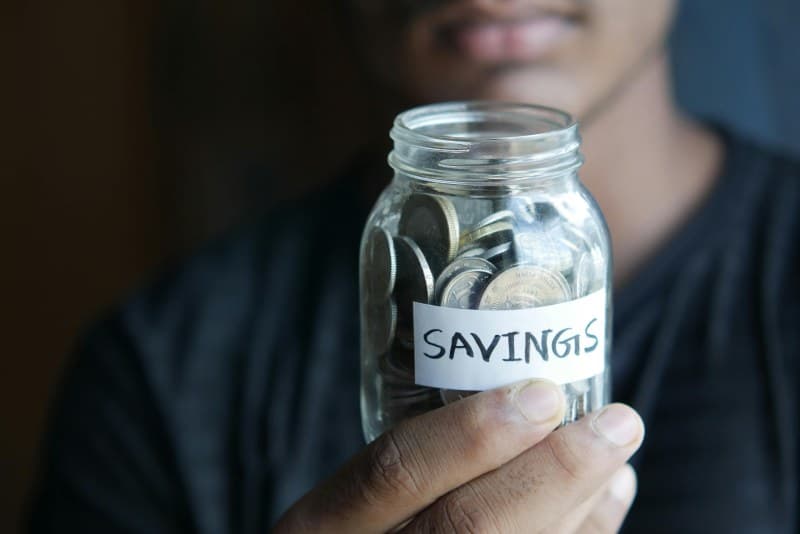
Let’s start with Lila: 28, works in marketing, makes $45k a year. She’s tried every budget app, but by the end of each month, her savings account still sits empty. She blames herself for being “bad with money”—but the real issue isn’t math. It’s her brain.
What Is the Psychology of Saving?
Saving isn’t just about cutting expenses or earning more. It’s about how our thoughts, emotions, and ingrained habits shape our financial choices. Our brains are wired to prioritize immediate rewards over long-term gains, which makes saving feel like an uphill battle.
7 Hidden Psychological Barriers to Saving (and Their Fixes)
1. Instant Gratification Bias
Your brain craves now over later. That $5 coffee or new shirt feels better right now than a $500 emergency fund in 6 months. Fix: Use the “10-minute rule” before buying non-essentials. Step away, wait 10 minutes, and ask if you still need it.
2. Status Quo Bias
We hate change. If you’ve never saved before, starting feels scary. Fix: Automate your savings. Set up a recurring transfer from your paycheck to your savings account—so you don’t have to think about it.
3. Anchoring Effect
You fixate on the first price you see. For example, if a laptop is marked $1,000, you might think $800 is a steal—even if it’s more than you need. Fix: Compare prices across 3+ options and focus on your actual needs, not the initial price.
4. Mental Accounting
You treat money differently based on where it comes from. A $100 bonus feels like “free money” to spend, but $100 from your salary feels like “work money” to save. Fix: Put all money (salary, bonuses, gifts) into the same pot and allocate it to your goals first.
5. Fear of Missing Out (FOMO)
You spend to keep up with friends or social media. That weekend trip or new gadget feels necessary to fit in. Fix: Unfollow social media accounts that trigger FOMO and plan low-cost activities with friends (like hiking or potlucks).
6. Overconfidence
You think you’ll save more later. “I’ll start saving when I get a raise” or “Next month, I’ll cut back.” Fix: Set small, monthly goals (e.g., save $50 this month) instead of big, vague ones. Small wins build momentum.
7. Guilt from Past Mistakes
You gave up on saving before, so you think you’ll fail again. Fix: Forgive yourself. Start with a tiny goal (save $10 this month) to rebuild confidence.
Barrier vs. Fix: A Quick Comparison
Here’s a snapshot of the barriers and their simple fixes:
| Barrier | Fix | Example |
|---|---|---|
| Instant Gratification | 10-minute rule | Wait 10 minutes before buying that $20 snack. |
| Status Quo Bias | Automate savings | Set up a $30/month transfer to savings. |
| FOMO | Unfollow FOMO triggers | Unfollow Instagram accounts of luxury influencers. |
A Classic Quote to Remember
“An investment in knowledge pays the best interest.” — Benjamin Franklin
Franklin’s words ring true here. Understanding your psychological barriers is an investment in your financial future. Once you know why you struggle to save, you can fix it.
Real-Life Success Story: Lila’s Turnaround
After learning about these barriers, Lila tried two things: she set up a $50/month automatic transfer to savings, and she used the 10-minute rule before buying non-essentials. Six months later, she had $300 in her savings account—something she never thought possible. “It’s not about being perfect,” she says. “It’s about making small changes that stick.”
Common Question: Can I Save With a Low Income?
Q: I make minimum wage—can I still save money?
A: Yes! Even $5-$10 a month adds up. Start with automating a tiny amount (like $5) from each paycheck. The habit is more important than the amount at first. Over time, you can increase it as your income grows.
Saving isn’t about being “good with money.” It’s about understanding your brain and making small, sustainable changes. Whether you’re Lila or someone just starting out, these psychological insights can help you build the savings habit you’ve always wanted.