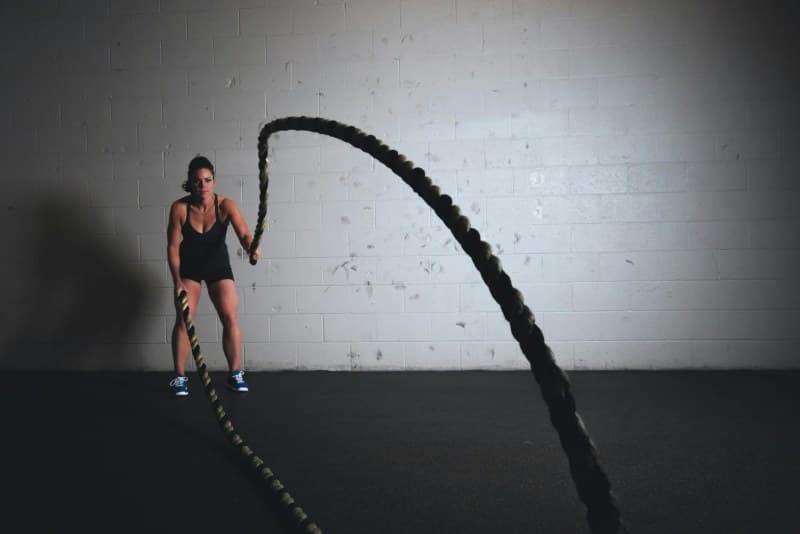
Last month, my friend Lila decided she’d finally get in shape by hitting the gym every single day. She did squats, ran on the treadmill, and even added yoga in the evenings. But after two weeks, she was exhausted, her knees ached, and she quit. Sound familiar? Many of us buy into the myth that daily training is the only way to see results—but is that really true?
The Truth About Daily Training
Let’s start with the big one: no, you don’t need to train every day. In fact, rest days are just as important as workout days. When you exercise, you create tiny micro-tears in your muscles. Rest allows your body to repair those tears, making your muscles stronger and preventing injury. Skipping rest can lead to burnout, overtraining syndrome, and even setbacks in your progress.
"Rest is not idleness, and to lie sometimes on the grass under trees on a summer's day, listening to the murmur of the water, or watching the clouds float across the sky, is by no means a waste of time." — John Lubbock
Lubbock’s words ring true for fitness too. Rest isn’t lazy—it’s an active part of getting stronger. Think of it as recharging your battery so you can perform better next time.
6 Fitness Myths Debunked (Myth vs Truth)
Let’s break down six common myths and set the record straight:
| Myth | Truth |
|---|---|
| You need to train every day to get fit. | Rest days are critical for muscle repair and preventing burnout. Most experts recommend 1–2 rest days weekly. |
| More sweat = better workout. | Sweat is your body’s way of cooling down, not a measure of effort. You can have an effective workout without sweating a lot (e.g., yoga). |
| Lifting heavy weights makes women bulky. | Women have lower testosterone levels, so they won’t bulk up like men. Lifting weights builds lean muscle, which boosts metabolism. |
| Cardio is the only way to lose weight. | Strength training builds muscle, which burns more calories at rest. A mix of cardio and strength is best for weight loss. |
| Stretching before workouts prevents injuries. | Dynamic stretching (e.g., leg swings) is better pre-workout. Static stretching (holding poses) is more effective post-workout. |
| You have to work out for 60+ minutes to see results. | Short, intense workouts (like 20-minute HIIT) can be just as effective as longer sessions, especially for busy people. |
A Real-Life Example: How Rest Improved Performance
Take my cousin Jake, a recreational runner. He used to run 5 days a week without rest, and his 5K time stayed stuck at 28 minutes. When he started adding 2 rest days (and doing light walking on those days), his time dropped to 25 minutes in a month. His muscles had time to recover, so he could run faster and longer without getting tired. That’s the power of rest!
FAQ: Your Burning Fitness Questions Answered
Q: How many rest days do I need per week?
A: It depends on your training intensity. If you do high-intensity workouts (like HIIT or heavy lifting), aim for 2 rest days. For moderate activity (walking, yoga), 1 rest day is enough. Listen to your body—if you’re sore or tired, take an extra day.
Final Thoughts
Fitness isn’t about perfection or non-stop training. It’s about balance—knowing when to push and when to rest. By debunking these myths, you can create a workout routine that’s sustainable and effective. Remember: progress, not perfection, is the goal. So go ahead, take that rest day—your body will thank you!