Let’s be real: most families hit a slump where ‘fun together’ feels like a distant memory. Take the Lee family—parents work 9-to-5, their 14-year-old is glued to TikTok, and their 10-year-old spends weekends at soccer practice. By the time everyone’s home, they’re too tired to do anything but eat dinner in silence or watch separate shows. Sound familiar?
Why the fun slump happens
It’s not that you don’t care—it’s usually a mix of small, unnoticeable habits:
- Busy schedules: Work deadlines, school projects, and extracurriculars fill every minute. Fun gets pushed to the bottom of the to-do list.
- Digital overload: Phones, tablets, and streaming services pull everyone into their own worlds. Even when you’re in the same room, you’re not really present.
- Big fun myth: Many people think fun needs to be a fancy trip or expensive activity. But small, regular moments matter more.
- Lack of intentionality: Fun doesn’t just happen—it needs to be planned, even if it’s 15 minutes a day.
4 ways to break the slump
You don’t need to overhaul your life. Try these simple, actionable steps:
1. Micro-adventures (15-30 mins daily)
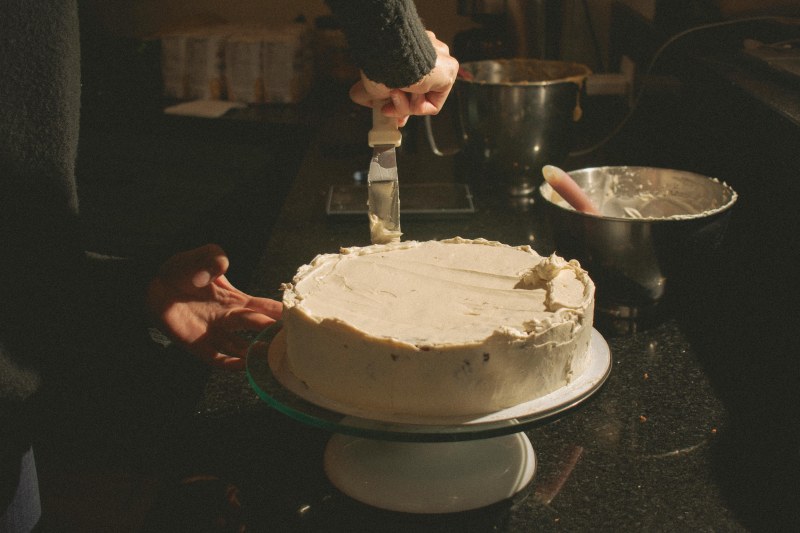
Skip the big plans—opt for quick, low-effort activities. Walk around the neighborhood after dinner, bake a batch of cookies together, or play a round of charades. The Lee family started taking 20-minute walks every evening, and now they look forward to chatting about their days.
2. Rotate the fun leader
Each family member picks an activity once a week. Your teen might choose a movie night with their favorite film, your kid might want to build a fort, and you might pick a board game. This gives everyone a say and makes them feel invested.
3. Unplugged time
Designate an hour each day (like after dinner) where no screens are allowed. Put phones in a basket, turn off the TV, and focus on each other. The Lees tried this and ended up having a weekly puzzle night that everyone loves.
4. Memory jar
Have everyone write down fun ideas (like “go to the park,” “make pizza from scratch,” or “stargaze”) and put them in a jar. Each week, pick one at random. It adds a surprise element and takes the pressure off planning.
Which activity fits your family?
Here’s a quick comparison to help you choose:
| Activity | Time | Cost | Effort | Best for |
|---|---|---|---|---|
| Micro-adventure | 15-30 mins | $0-$5 | Low | Busy families |
| Game night | 1-2 hours | $0-$20 | Medium | All ages |
| Picnic in the backyard | 1 hour | $10-$20 | Medium | Outdoor lovers |
| DIY craft project | 1-2 hours | $5-$15 | High | Creative families |
Classic wisdom to remember
The family that plays together stays together.
This old saying holds true because fun builds connection. It’s not about being perfect—it’s about showing up and enjoying each other’s company. Even the silliest moments (like burning the cookies or losing a game) create memories that last.
FAQ: What if my teens think family fun is “lame”?
Q: My 16-year-old rolls their eyes every time I suggest a family activity. How do I get them on board?
A: Let them take the lead. Ask them what they enjoy (maybe a video game night where you join in, or a trip to a coffee shop they love). Teens want to feel respected, so involving them in planning will make them more likely to participate. The Lee family’s teen suggested a “retro game night” with old console games, and now it’s their favorite weekly activity.
Breaking the fun slump isn’t about grand gestures—it’s about small, consistent efforts. Start with one thing this week, and see how it changes your family dynamic. You might be surprised at how much joy those little moments bring.