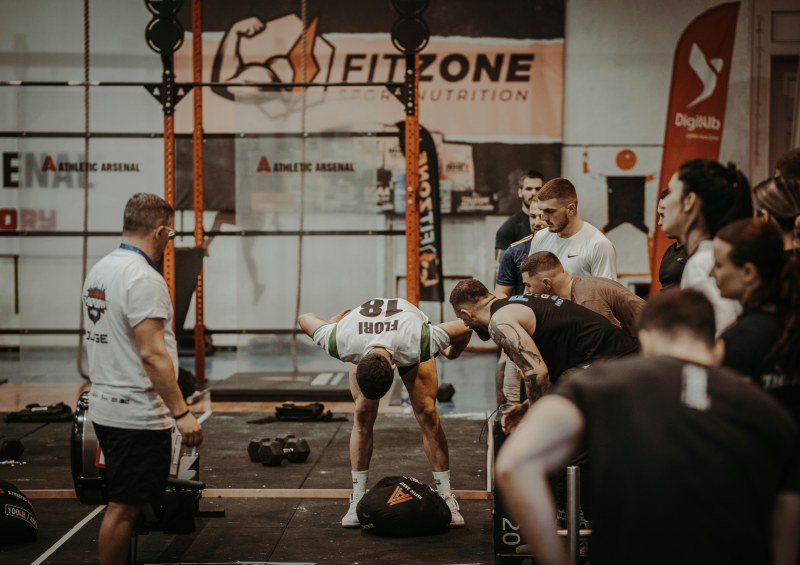
Last year, my friend Lila decided to join a recreational basketball league. She’d never played before, and kept saying, “I’m just not athletic.” But after three months of weekly practices—dribbling drills in her driveway, shooting hoops before work, and learning team play—she became one of her team’s top scorers. Her story made me wonder: how much of sports success is really about “natural talent” versus the work you put in?
The Truth About “Natural” Athleticism
Many think pro athletes are born with a special gift—like Usain Bolt’s speed or Serena Williams’ power. But most successful athletes combine a small amount of innate ability with tons of practice, strategy, and mental toughness.
“I’ve failed over and over again in my life. And that is why I succeed.” — Michael Jordan
Jordan, one of the greatest basketball players ever, was cut from his high school varsity team as a sophomore. He practiced for hours daily, refining skills until he became a legend. His story proves resilience and hard work often matter more than “natural” talent.
6 Myths About Natural Athleticism Debunked ⚽
Let’s break down common myths holding people back:
- Myth: You have to start young to be good. A: Adults learn new sports too! Many pickleball players start in their 50s and become competitive.
- Myth: Tall people are always better at basketball. A: Spud Webb (5’7”) and Isaiah Thomas (5’9”) had successful NBA careers thanks to speed and shooting skills.
- Myth: Fast runners are born, not made. A: Speed improves with interval training and form. Even elite runners spend years honing technique.
- Myth: You need perfect coordination for team sports. A: Coordination is a skill—juggling or dribbling drills build it over time.
- Myth: If you’re not good at first, you never will be. A: Lila was terrible at dribbling initially, but weeks of practice made her proficient.
- Myth: Natural talent beats hard work every time. A: A study of elite athletes found 10,000 hours of practice (per Malcolm Gladwell) is key to success.
Innate Talent vs. Cultivated Skill: A Comparison
How do talent and skill stack up in sports success?
| Aspect | Innate Talent | Cultivated Skill |
|---|---|---|
| Consistency | Fades without practice | Grows with regular effort |
| Mental Toughness | Not inherent | Built through challenges |
| Adaptability | Limited by traits | Improved via new strategies |
| Teamwork | Not natural for all | Developed via communication |
FAQ: Your Questions Answered 💡
Q: Can I start a new sport as an adult if I’m not naturally athletic?
A: Yes! Choose a sport you enjoy and start small. For running, begin with 10-minute walks + jogging. Over time, you’ll build stamina and confidence.
Q: How long to get good at a new sport?
A: Most see improvement after 3-6 months of regular practice. Progress is gradual—don’t get discouraged!
Final Takeaway
Sports success isn’t just about being “naturally athletic.” It’s about showing up, practicing consistently, and keeping going when things are hard. Whether you’re a beginner or seasoned player, enjoy the process and push yourself. As Lila learned, you don’t need born talent to excel—just willingness to work for it.