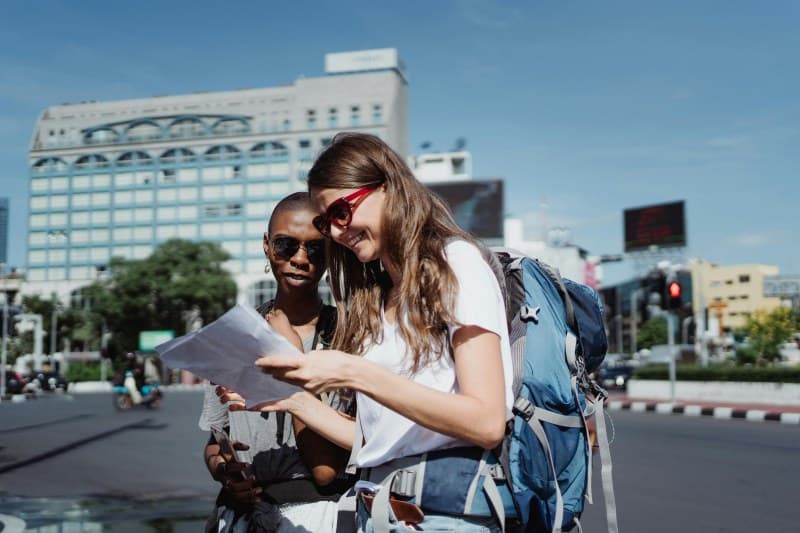
Last summer, I stood in a 2-hour line for a famous crepe stand in Montmartre, Paris. When I finally got my crepe, it was cold, overpriced, and tasted like every other crepe I’d had at a mall food court. I left feeling deflated—like I’d wasted time on something that didn’t feel ‘Parisian’ at all. Sound familiar? That’s the tourist trap letdown, and it’s happened happened to almost every traveler at some point.
Why Tourist Traps Leave Us Underwhelmed
Tourist traps thrive on visibility—think neon signs, crowded sidewalks, and lists of "top 10 things to do" in every guidebook. But they often lack the heart of a place. Here’s why they feel so empty:
- Overcommercialization: Businesses prioritize quick sales over quality, cutting corners to serve as many people as possible.
- Lack of local context: Most traps are run by chains or outsiders, so you don’t get the stories or traditions that make a spot special.
- Crowds: Long lines and packed spaces kill the joy of discovery—you’re too busy jostling to savor the moment.
Let’s compare a typical tourist trap to an authentic local spot to see the difference:
| Aspect | Tourist Trap | Authentic Local Spot |
|---|---|---|
| Experience | Crowded, rushed, generic | Quiet, personal, unique to the area |
| Cost | 2-3x local prices | Fair, aligned with local market rates |
| Local Connection | None—staff may not be from the area | Staff shares stories, uses local ingredients |
| Memorable Factor | Forgettable—blends into other trips | Stands out—you’ll tell friends about it |
5 Ways to Avoid Tourist Traps & Find Authentic Gems
You don’t have to skip popular landmarks entirely, but balancing them with local experiences makes travel feel meaningful. Here are 5 actionable ways:
1. Ask Locals (Not Just Guidebooks)
When I was in Tokyo, I asked a barista where she went for ramen after work. She pointed me to a tiny shop in a residential alley—no signs in English, just a line of locals. The ramen was rich, flavorful, and cost half the price of the tourist spots nearby. Pro tip: Ask people in service jobs (baristas, taxi drivers, shopkeepers) — they know the best hidden spots.
2. Skip Peak Times for Landmarks
Visit the Eiffel Tower at sunrise instead of midday. You’ll get the same iconic view without the crowds, and you can then spend the rest of the day exploring a neighborhood like Le Marais, where you’ll find family-run bakeries and vintage shops.
3. Explore Residential Areas
Tourist areas are usually centered around major landmarks, but the real magic is in the neighborhoods where locals live. In Bangkok, I wandered through the Thong Lor area—no tourist buses, just street food stalls, small cafes, and kids playing in the park. I even joined a local family for a bowl of mango sticky rice, and they told me stories about growing up in the area.
4. Use Local Apps (Not Just Google Maps)
Apps like LocalEats (for food) or Meetup (for local events) can help you find spots that aren’t on the tourist radar. In Mexico City, I used Meetup to join a street art tour led by a local artist—we visited murals in hidden alleys and learned about the city’s cultural history.
5. Take a Small-Group Local Tour
Skip the big bus tours. Instead, book a small-group tour with a local guide. In Lisbon, I took a 3-hour walking tour of Alfama, the oldest neighborhood. Our guide was a local who grew up there—she showed us hidden viewpoints, told us stories about the city’s past, and even took us to her favorite pastry shop.
"The world is a book, and those who do not travel read only one page." — St. Augustine
This quote reminds us that travel is about more than checking off landmarks. It’s about turning the pages of the world’s book—exploring the hidden chapters that make each place unique.
1 Common Question Travelers Ask
Q: Is it okay to skip popular landmarks to focus on local spots?
A: Absolutely! But balance is key. For example, if you’re in Rome, you might want to visit the Colosseum (a must-see), but then spend the afternoon in Trastevere, a neighborhood with cobblestone streets and family-run trattorias. The goal is to mix iconic experiences with authentic ones so you get the best of both worlds.
Travel is about discovery—finding the spots that make you feel like you’re part of the place, not just a spectator. Next time you plan a trip, try one of these tips. You might just find a hidden gem that becomes your favorite memory.