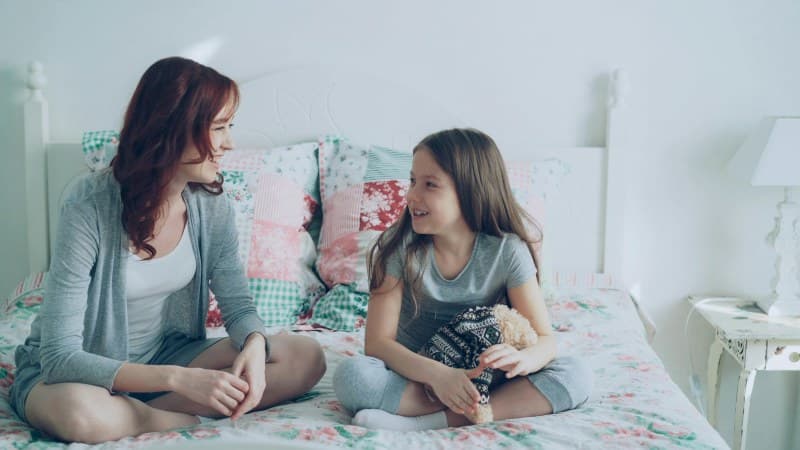
Sarah sat across from her 10-year-old daughter Lila at dinner, trying again. ‘How was school today?’ she asked. ‘Fine,’ Lila mumbled, staring at her plate. Sarah sighed—this was the third night in a row of one-word answers. If you’ve ever felt like your quiet kid is a closed book, you’re not alone. But there are gentle ways to help them open up without pressure.
Why Quiet Kids Hold Back
Quietness doesn’t always mean shyness. Some kids need time to process their thoughts before speaking. Others worry their feelings won’t be understood, or they don’t want to burden you with small problems. It’s not about you—it’s about their unique way of engaging with the world.
6 Ways to Get Your Quiet Kid to Open Up
Below are 6 practical methods, each with details to help you choose what fits your family best:
| Method | Effort Level | Emotional Impact | Pros | Cons |
|---|---|---|---|---|
| Shared Low-Pressure Activity | Low | Gentle | Reduces eye contact stress; builds trust through shared experience | Might take several sessions to see results |
| Open-Ended Questions | Medium | Moderate | Encourages detailed responses; easy to integrate into daily routines | Kids might still give short answers at first |
| Share Your Own Day First | Medium | Strong | Models vulnerability; makes kids feel safe to share | Requires you to be honest about your own experiences |
| Talking Jar with Prompts | High (initial setup) | Gentle | Adds fun element; takes pressure off direct questions | Some prompts might not resonate with your kid |
| Let Them Lead the Conversation | Low | Moderate | Validates their interests; shows you value their perspective | Might not get to the topics you want to discuss right away |
| Validate Feelings First | Medium | Strong | Builds emotional safety; reduces defensiveness | Requires active listening (no interrupting) |
A Classic Wisdom to Remember
“The art of conversation is the art of hearing as well as being heard.” — William Hazlitt
This quote reminds us that getting your kid to open up isn’t just about asking questions—it’s about listening. When you put down your phone, make eye contact (if they’re comfortable), and respond with empathy, you’re telling them their voice matters.
Real-Life Example: Sarah and Lila
Sarah decided to try the shared activity method. She pulled out Lila’s favorite coloring book and sat down next to her. Instead of asking about school, she started talking about her own day: “I spilled coffee on my notebook at work today—total disaster!” Lila giggled. Then, after a few minutes of coloring, Lila said, “Mia didn’t play with me at recess today.” Sarah didn’t jump in with advice; she just said, “That must have hurt.” Lila opened up more about how Mia had been ignoring her all week. It was the longest conversation they’d had in weeks.
Common Question: What If It Doesn’t Work?
Q: I’ve tried these methods, but my kid still won’t open up. What should I do?
A: Be patient. Trust takes time. Keep showing up consistently—even small moments (like a 5-minute walk after dinner) can build connection. If you’re worried about their well-being, consider talking to their teacher or a school counselor for additional support, but remember: every kid has their own pace.
Connecting with a quiet kid isn’t about forcing them to talk—it’s about creating a safe space where they want to. Whether you try coloring together or using a talking jar, the key is to meet them where they are. Small steps can lead to big conversations, and eventually, a deeper bond.