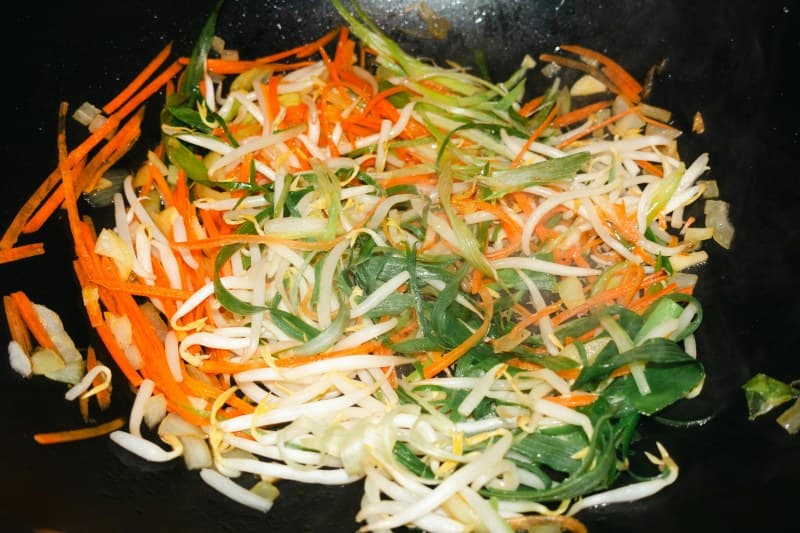
Last month, I invited friends over for a quick stir-fry dinner. I chopped up bell peppers, broccoli, and snap peas, heated the pan, and tossed them in—only to watch them turn into a mushy, watery mess. My friends were polite, but I knew I’d messed up. If you’ve ever had that "why is this so soggy?" moment, you’re not alone. Stir-fry veggies going soft is a common kitchen woe, but it’s easy to fix once you know the why and how.
Why Do Stir-Fry Veggies Go Soggy?
Before we dive into fixes, let’s understand the science. Sogginess happens when veggies release too much moisture and can’t evaporate it quickly enough. Here are the main culprits:
- Overcrowding the pan: When you pile too many veggies into a small space, they steam instead of sear. Steam traps moisture, turning crisp veggies into mush.
- Wet veggies: Residual water on veggies (from washing or thawing) turns to steam, adding extra moisture to the pan.
- Low heat: A cool pan can’t evaporate moisture fast. You need high heat to get that nice char and keep veggies crisp.
- Wrong order: Soft veggies (like snap peas) cook faster than hard ones (like broccoli). Adding them all at once means some overcook while others are underdone.
6 Ways to Fix Soggy Stir-Fry Veggies
Now, let’s turn those mistakes into solutions. Try these tips for crisp, flavorful stir-fry every time:
1. Pat Veggies Dry
After washing, use paper towels or a salad spinner to remove excess water. Even a little moisture can make a big difference. For frozen veggies, thaw completely and pat dry before cooking.
2. Cook in Batches
Don’t cram all veggies into the pan at once. Cook hard veggies (like carrots or broccoli) first, then set them aside. Then cook softer veggies (like bell peppers or snap peas) in the same pan. This prevents overcrowding and keeps each batch crisp.
3. Use High Heat
Heat your wok or heavy-bottom pan until it’s smoking slightly. Add oil, then toss in veggies. High heat sears the surface quickly, locking in flavor and preventing moisture from building up.
4. Add Veggies in Order of Hardness
Start with the hardest veggies (carrots, broccoli) and work your way to the softest (snap peas, spinach). This ensures every veggie is cooked perfectly—no underdone or overcooked pieces.
5. Use the Right Amount of Oil
Too little oil means veggies stick; too much makes them greasy. Use about 1-2 tablespoons of oil per batch. Swirl it around the pan to coat evenly.
6. Don’t Cover the Pan
Covering the pan traps steam, which is the enemy of crisp veggies. Keep the lid off while cooking to let moisture escape.
Ideal Cooking Times for Common Stir-Fry Veggies
Not sure how long to cook each veggie? Use this table as a guide:
| Veggie | Prep (Chop Size) | Cooking Time (High Heat) | Pro Tip |
|---|---|---|---|
| Broccoli | Small florets | 3-4 minutes | Add a splash of water if too dry to keep it tender-crisp. |
| Bell Peppers | Thin strips | 2-3 minutes | Stir frequently to avoid burning the edges. |
| Snap Peas | Whole (trim ends) | 1-2 minutes | Toss once—they cook fast! |
| Carrots | Julienned or thin slices | 3-5 minutes | Cook first (hardest veggie). |
| Mushrooms | Sliced | 2-3 minutes | Cook until golden—they release moisture, so wait until it evaporates. |
Wisdom from the Pros
“The only real stumbling block is fear of failure. In cooking, you’ve got to have a what-the-hell attitude.” — Julia Child
Julia Child’s words are perfect for stir-fry. Don’t be afraid to adjust heat, batch sizes, or cooking times. Even if your first try isn’t perfect, small tweaks will get you crisp veggies in no time.
Common Q&A
Q: Can I use frozen veggies for stir-fry?
A: Yes! But thaw them completely and pat dry with paper towels. Frozen veggies have extra ice crystals that turn into water when melted—skipping this step will lead to soggy stir-fry.
Q: What pan is best for stir-fry?
A: A wok is ideal because its shape distributes heat evenly. If you don’t have a wok, use a heavy-bottom skillet (cast iron or stainless steel) that can handle high heat.
Next time you make stir-fry, remember these tips. Your veggies will be crisp, flavorful, and ready to impress—no more soggy messes!