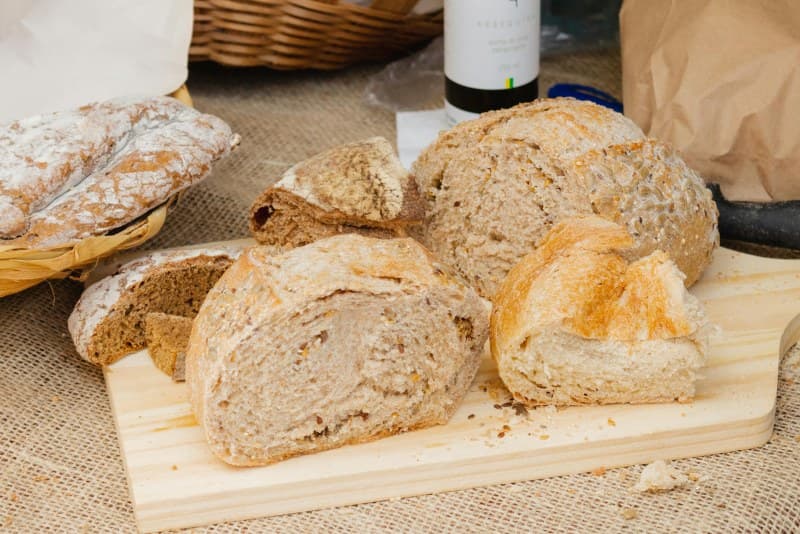
Last month, I tried making my first sourdough loaf. I followed the recipe to the letter—measured every ingredient, kneaded until my arms ached—but after two hours, the dough was still flat as a pancake. I was ready to toss it in the trash until a baker friend explained the secrets of dough rising. Turns out, it’s not just about yeast; it’s a delicate balance of temperature, hydration, and patience.
What Makes Dough Rise? The Basics
At its core, dough rising is a biological process. Yeast (a tiny fungus) feeds on the sugars in flour, producing carbon dioxide (CO₂) and alcohol. The CO₂ bubbles get trapped in the gluten network (formed by kneading flour and water), causing the dough to expand. This is called fermentation, and it’s what gives bread its light, airy texture and distinct flavor.
5 Key Factors That Impact Dough Rising
Several elements influence how well (and how fast) your dough rises. Here’s a breakdown of the most important ones:
| Factor | Effect on Rise Speed | Effect on Loaf Texture | Quick Tip |
|---|---|---|---|
| Yeast Health | Active yeast = fast rise; dead yeast = no rise | Healthy yeast = fluffy, well-flavored loaf | Test yeast with warm water + sugar—bubbles mean it’s active. |
| Temperature | 75-85°F (24-29°C) = ideal; too cold = slow; too hot = kills yeast | Consistent temp = even rise; hot spots = uneven texture | Use a draft-free spot (e.g., microwave with hot water) for proofing. |
| Hydration | Higher hydration (60-70%) = faster rise | Wetter dough = open crumb; drier = dense crumb | Add water gradually to avoid sticky dough. |
| Sugar | Small amounts speed rise; too much slows it | Sugar adds sweetness and golden crust | Limit sugar to 1-2 tsp per cup of flour for savory bread. |
| Salt | Slows yeast growth (prevents over-fermentation) | Enhances flavor and strengthens gluten | Never mix salt directly with yeast—add it to flour first. |
Common Myths About Dough Rising (Debunked!)
Let’s clear up some persistent misconceptions:
- Myth 1: More yeast = faster rise. Nope! Too much yeast leads to a yeasty, dense loaf. Stick to the recipe’s yeast amount.
- Myth 2: Proofing in a warm oven is best. Oven heat can easily kill yeast. A better option: place dough in a bowl with plastic wrap, then set it in a microwave with a bowl of hot (not boiling) water. Close the door for a humid, warm environment.
- Myth 3: Overproofed dough is ruined. Not always! If your dough has overflowed the bowl, punch it down, reshape it, and let it rise again for 30 minutes. The texture might be slightly denser, but it’s still edible.
Pro Tips for Perfect Rising Every Time
Want to master the art of rising? Try these tricks:
- Do the poke test: Press a finger into the dough. If it springs back slowly, it’s ready to bake. If it springs back fast, it needs more time. If it doesn’t spring back at all, it’s overproofed.
- Cold proof for flavor: For deeper, nuttier flavor, let your dough rise in the fridge overnight (12-24 hours). This slow fermentation develops complex tastes.
- Use a Dutch oven: Baking in a preheated Dutch oven traps steam, which helps the dough rise even more in the oven (called “oven spring”).
“Baking is a science, but it’s also an art. The best bakers are those who listen to their dough.” — Peter Reinhart, renowned bread baker
This quote rings true—don’t just follow the clock. Observe your dough: its texture, how it responds to pokes, and how it smells. These clues will tell you more than any timer.
FAQ: Common Dough Rising Questions
Q: My dough didn’t rise at all. What went wrong?
A: Most likely, your yeast was dead. Check the expiration date, and always test it before using. Other causes: too cold a environment, or salt mixed directly with yeast.
Q: Can I use instant yeast instead of active dry yeast?
A: Yes! Instant yeast doesn’t need to be activated in water—you can mix it directly with flour. Just use the same amount as active dry yeast.
A Little Story: Turning a Mistake Into a Win
My friend Sarah once left her dough to rise in a warm kitchen while she went to the grocery store. When she came back, it had overflowed the bowl and oozed onto the counter. She panicked, but her grandma told her to punch it down, shape it into a loaf, and let it rise for another 30 minutes. The result? A slightly denser but still delicious loaf with a crispy crust. Sarah now jokes that her “overflow disaster” was the best thing that ever happened to her baking skills—it taught her to be flexible and listen to her dough.
Whether you’re a beginner or a seasoned baker, dough rising is a skill that takes practice. Don’t be discouraged by flat loaves—each mistake is a chance to learn. Happy baking!