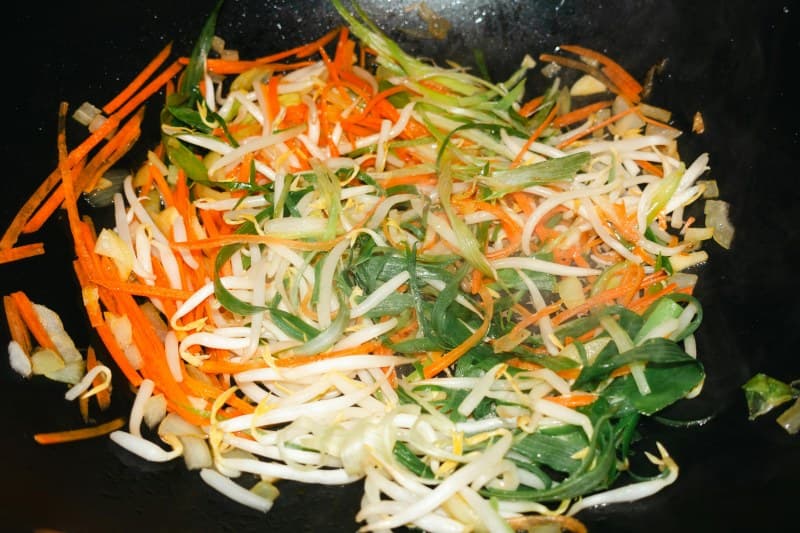
Last week, I spent 10 minutes chopping crisp bell peppers, snap peas, and carrots for a quick stir-fry. I heated the pan, tossed them in, and... 5 minutes later, they were a mushy mess. The rice was perfect, but the veggies? Soggy and sad. Sound familiar? You’re not alone—soggy stir-fry veggies are a common kitchen woe, but they’re easy to fix once you know why it happens.
Why Stir-Fry Veggies Go Soggy
Most soggy veggies come down to three main culprits: excess moisture (from washing or fresh produce), low heat (which doesn’t evaporate water fast enough), and overcrowding the pan (trapping steam instead of letting it escape). When veggies are crowded, the pan’s temperature drops, and instead of searing, they start to steam—turning crisp veggies into mush.
Stir-Fry Methods: Which Keeps Veggies Crisp?
Not all cooking tools are equal for stir-fry. Here’s how three popular options stack up:
| Method | Crispness Level | Cooking Time | Ease of Use |
|---|---|---|---|
| Wok (high heat) | ⭐⭐⭐⭐⭐ | 2-3 mins | Requires practice (tossing) |
| Non-stick pan (medium-high) | ⭐⭐⭐⭐ | 3-4 mins | Easy for beginners |
| Air fryer (400°F) | ⭐⭐⭐ | 5-6 mins | Hands-off, but less authentic |
6 Easy Fixes for Crisp Stir-Fry Veggies
- Pat veggies dry thoroughly: After washing, use a paper towel or clean kitchen cloth to remove excess water. Even a little moisture can turn your stir-fry into a steam bath.
- Use high heat: Preheat your pan or wok until it’s smoking slightly. This sears the veggies quickly, locking in flavor and crispness.
- Don’t overcrowd the pan: Cook veggies in batches if needed. For a standard 12-inch pan, stick to 2-3 cups of veggies at a time.
- Add veggies in order of hardness: Harder veggies like carrots or broccoli take longer, so cook them first. Soft veggies like spinach or mushrooms go in last.
- Use oil with a high smoke point: Canola, peanut, or sesame oil work best—they can handle high heat without burning.
- Finish with a splash of acid: A dash of lime juice or vinegar at the end brightens flavors and helps keep veggies crisp.
“Cooking is like love; it should be entered into with abandon or not at all.” — Julia Child
Julia’s words ring true here. Don’t be afraid to crank up the heat or experiment with batches—abandoning the fear of imperfection is key to getting crisp stir-fry veggies.
Quick Q&A: Common Stir-Fry Veggie Questions
Q: Can I prep veggies ahead of time without making them soggy?
A: Yes! Chop veggies up to 24 hours in advance, but pat them dry and store in an airtight container in the fridge. Avoid cutting leafy greens too early—they wilt faster.
Q: Is it okay to use frozen veggies for stir-fry?
A: Absolutely, but make sure to thaw them completely and pat dry before cooking. Frozen veggies often have extra ice crystals that can add moisture.
Next time you’re making stir-fry, remember these tips. With a little attention to heat, moisture, and pan space, you’ll have crisp, flavorful veggies every time. Happy cooking! 🍳