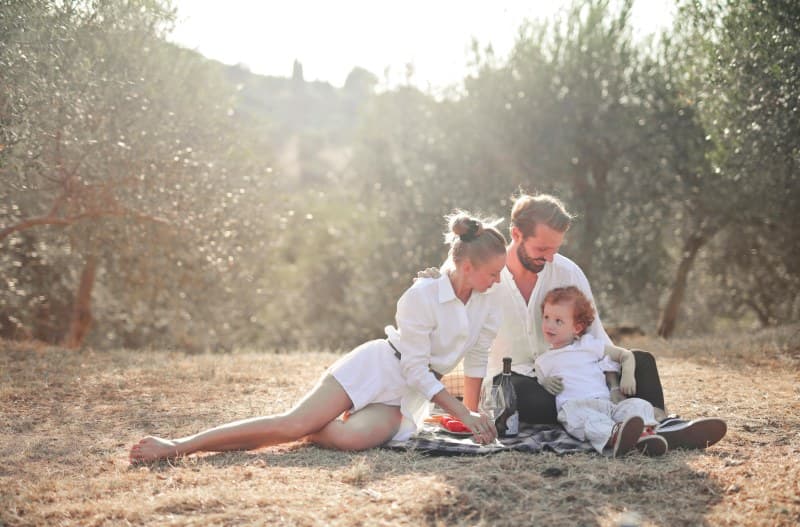
Imagine a Sunday dinner: your grandma leans back, takes a sip of tea, and starts talking about the time she snuck out to watch a movie with her best friend in 1965. The table goes quiet, then erupts in laughter when she mentions hiding from her mom behind a grocery store. That’s family storytelling—small, messy, and full of magic. But do you know the myths that might be stopping you from sharing your own family’s tales?
What Is Family Storytelling, Really?
Family storytelling isn’t just about retelling big events like weddings or graduations. It’s about the everyday moments: the time your dad burned the Thanksgiving turkey, the way your sibling used to hide their veggies under the table, or how your grandparent learned to ride a bike. These stories are the glue that holds families together—they pass down values, create shared memories, and help everyone feel seen.
6 Common Myths About Family Storytelling (And The Truths)
Let’s bust some myths that might be holding you back from starting your family’s story tradition:
| Myth | Truth |
|---|---|
| Only old people tell family stories. | Kids and teens have amazing stories too—like their first day of school or a funny mishap with a pet. |
| Stories have to be “exciting” to matter. | Everyday moments (e.g., making pancakes together) are just as meaningful—they reflect your family’s unique identity. |
| You need to have a perfect memory to tell stories. | It’s okay to forget details! Ask others to fill in gaps—this turns storytelling into a group activity. |
| Storytelling is only for big gatherings. | You can share stories during car rides, bedtime, or even while doing dishes—small moments work best. |
| Recording stories takes too much effort. | Simple tools like voice notes on your phone or a notebook are enough to capture stories. |
| Family stories are only for blood relatives. | Stepfamilies, chosen families, and close friends can all share stories that build connection. |
How Storytelling Strengthens Family Bonds
Stories do more than entertain—they build empathy and belonging. When you hear your mom talk about her struggles as a teen, you understand her better. When your kid shares their story about a tough day at school, you connect on a deeper level.
Maya Angelou once said: “There is no greater agony than bearing an untold story inside you.”
This quote rings true for family storytelling. Sharing our stories relieves that agony and lets us pass on parts of ourselves to the next generation. For example, my aunt used to tell us about how she met my uncle during a rainstorm—they both took shelter under a bus stop and ended up talking for hours. That story taught us about the beauty of unexpected connections.
Practical Tips To Start Your Family Storytelling Practice
Ready to start sharing your family’s stories? Try these easy tips:
- Set a regular “story time”: Pick a time (like after dinner or Sunday brunch) to share one story each week.
- Use prompts: Ask questions like “What was your favorite summer as a kid?” or “What’s a mistake you made that taught you something?” to get the conversation going.
- Record stories: Use your phone to record stories—you can listen to them later or share them with family members who live far away.
- Include everyone: Encourage kids and teens to share their stories too—they might have the funniest or most heartfelt tales.
FAQ: Common Questions About Family Storytelling
Q: I don’t have any “interesting” family stories—does that matter?
A: No! Even the smallest stories (like how your dad used to sing off-key in the shower) are special. They’re part of what makes your family unique.
Q: What if I’m shy about telling stories?
A: Start small! Share a short story (1-2 minutes) and ask others to share theirs first. You’ll get more comfortable over time.
Family storytelling is a gift that keeps on giving. It’s not about being a perfect storyteller—it’s about connecting with the people you love. So next time you’re with your family, ask: “What’s a story I haven’t heard before?” You might be surprised at what you learn.