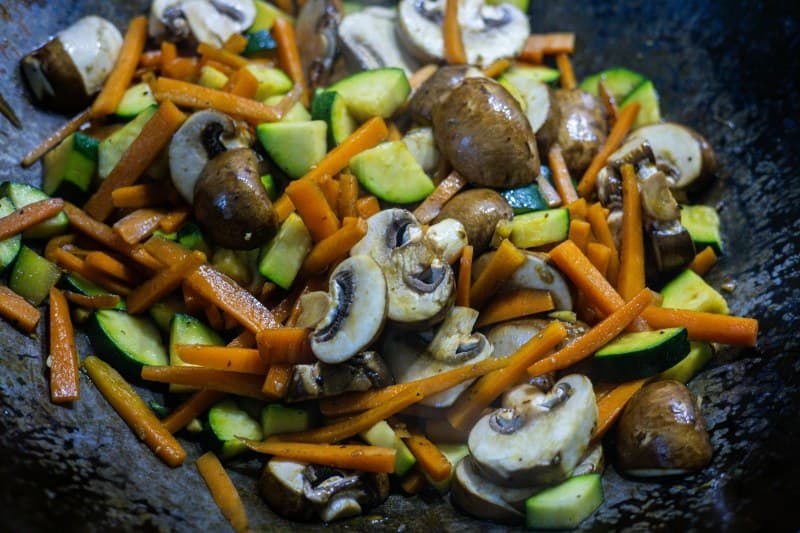
Last week, I tried to whip up a quick stir-fry for dinner. I chopped bell peppers, broccoli, and snap peas, tossed them in a hot pan with soy sauce, and waited. Instead of the crisp-tender veggies I was craving, I got a mushy, watery mess. If you’ve ever had that same letdown, you know how frustrating it is. Let’s break down why this happens and how to fix it.
Why Stir-Fry Veggies Go Soggy
Three main culprits turn your vibrant veggies into a sad pile:
- Water release: Most veggies (like zucchini, broccoli, or bell peppers) hold a lot of water. When heated, they release this moisture. If it doesn’t evaporate fast enough, veggies steam instead of sear.
- Overcrowding the pan: Piling too many veggies into a small pan traps steam. Instead of getting that nice char, they cook in their own water.
- Low heat: A cold or medium pan won’t evaporate water quickly. Veggies sit and soften instead of getting crisp.
Two Easy Fixes to Keep Veggies Crisp
You don’t need fancy tools to fix this. Try these two methods:
Fix 1: Blanch First 🌊
Blanching is boiling veggies briefly then shocking them in ice water. Here’s how:
- Bring a pot of salted water to a boil.
- Add veggies (like broccoli or carrots) and cook for 1-2 minutes (don’t overcook—they should still be crisp).
- Drain and immediately plunge into a bowl of ice water to stop cooking.
- Pat dry with paper towels before adding to your stir-fry.
This removes excess water and locks in color and crunch.
Fix 2: Dry-Heat Pre-Cook 🔥
For veggies like bell peppers or snap peas, dry-heat pre-cooking works wonders:
- Heat a large skillet or wok on high heat (no oil).
- Add veggies in a single layer (don’t overcrowd).
- Cook for 1-2 minutes, stirring occasionally, until they start to char slightly.
- Remove and set aside—add back to the stir-fry at the end.
This evaporates surface water and adds a nice smoky flavor.
Blanching vs Dry-Heat: Which to Choose?
Here’s a quick comparison to help you pick:
| Method | Prep Time | Best For | Pros | Cons |
|---|---|---|---|---|
| Blanching | 5-10 mins | Hard veggies (broccoli, carrots) | Locks in color, removes excess water | Requires extra pot and ice water |
| Dry-Heat | 2-3 mins | Soft veggies (bell peppers, snap peas) | Adds smoky flavor, no extra tools | Can burn if not watched closely |
A Classic Cooking Wisdom
“The only real stumbling block is fear of failure. In cooking, you’ve got to have a what-the-hell attitude.” — Julia Child
Julia’s right—don’t be scared to try these pre-cooking methods. Even if you mess up once, you’ll learn what works for your veggies.
FAQ: Your Stir-Fry Questions Answered
Q: Do I need to pre-cook all veggies for stir-fry?
A: No! Quick-cooking veggies like spinach, bean sprouts, or mushrooms can go straight into the pan. Just make sure to pat them dry first to avoid extra moisture.
Pro Tips for Perfect Stir-Fry
- Cut veggies into uniform sizes so they cook evenly.
- Pat all veggies dry with paper towels before cooking—even pre-cooked ones.
- Use a wok or large skillet for better heat distribution (and less overcrowding).
- Cook proteins first (chicken, tofu) then set aside—add veggies later to keep them crisp.
Next time you make stir-fry, give one of these fixes a try. You’ll be amazed at how much crispier your veggies turn out!