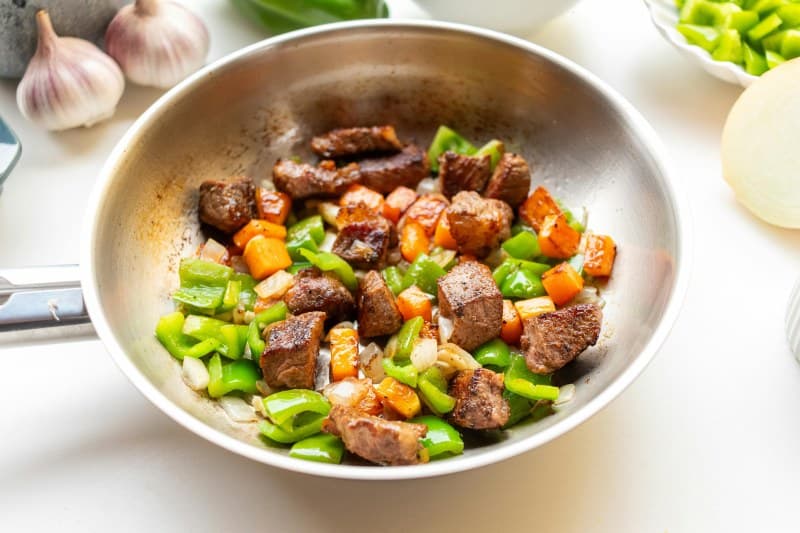
Last week, I invited friends over for a veggie stir-fry. I chopped bell peppers, broccoli, and carrots, heated the pan, and dumped everything in—only to watch it turn into a watery, mushy mess instead of the crispy, caramelized dish I’d envisioned. Embarrassing? Yes. Common? Absolutely. If you’ve ever faced this soggy stir-fry disappointment, you’re not alone.
Why Your Stir-Fry Turns Soggy
Let’s break down the main culprits: overcrowding the pan (veggies release water instead of searing), wet veggies (not patting dry), using the wrong pan (non-stick doesn’t get hot enough), adding sauce too early, skipping preheating, using frozen veggies without thawing, and over-stirring.
7 Easy Fixes for Crispy Stir-Fry
- 1. Pat veggies dry: Use paper towels to soak up excess moisture from fresh or thawed veggies.
- 2. Preheat until smoking: A hot pan sears veggies quickly, locking in flavor and preventing sogginess.
- 3. Cook in batches: Avoid overcrowding—cook hard veggies (carrots, broccoli) first, then soft ones (bell peppers).
- 4. Use the right pan: Woks or cast-iron skillets retain heat best for stir-fry.
- 5. Add sauce at the end: Sauces have water; adding them late keeps veggies crispy.
- 6. Thaw and dry frozen veggies: Thaw completely and pat dry before cooking.
- 7. Let veggies sit: Stop stirring nonstop—letting veggies rest for 1-2 minutes caramelizes them.
Pan Comparison: Which Is Best for Stir-Fry?
Not sure which pan to reach for? Here’s a quick breakdown:
| Pan Type | Pros | Cons | Best For |
|---|---|---|---|
| Wok | High heat retention, even cooking, large surface area | Requires seasoning, heavy | Authentic stir-fry, large batches |
| Cast-Iron Skillet | Retains heat well, non-stick when seasoned | Heavy, slow to heat | Small batches, crispy veggies |
| Non-Stick Skillet | Easy to clean, lightweight | Can’t handle high heat, scratches easily | Beginner cooks, low-heat dishes |
Myth Busting: Stir-Fry Edition
Let’s debunk some common myths:
- Myth: You have to stir constantly. Truth: Letting veggies sit for 1-2 minutes allows them to caramelize.
- Myth: All veggies cook at the same rate. Truth: Cook hard veggies first, then soft ones to avoid overcooking.
- Myth: You need lots of oil. Truth: A tablespoon of high-smoke-point oil (canola, sesame) is enough.
Classic Quote to Keep You Going
“The only real stumbling block is fear of failure. In cooking, you’ve got to have a what-the-hell attitude.” — Julia Child
This quote hits home for stir-fry newbies. Don’t let a soggy batch stop you—experiment and adjust until you get it right.
FAQ: Common Stir-Fry Questions
Q: Can I use frozen veggies in stir-fry without making it soggy?
A: Yes! Thaw them completely, then pat dry with paper towels to remove excess moisture. This prevents water from leaking into the pan.
Q: What’s the best oil for stir-fry?
A: Use oils with a high smoke point, like canola, peanut, or sesame oil. Avoid olive oil—it burns easily at high heat.
Stir-fry is all about balance: high heat, dry veggies, and the right pan. With these fixes, you’ll be serving crispy, flavorful stir-fries that impress every time. Happy cooking!