Let’s start with Sarah: she drinks chamomile tea every night, uses blackout curtains, and even counts sheep when she can’t sleep. But she still tosses and turns until 2 a.m., waking up groggy. Sound familiar? Many of us cling to sleep “hacks” that don’t actually work—because they’re based on myths, not science.
7 Sleep Myths That Might Be Sabotaging Your Rest
We’ve all heard them: the old wives’ tales, the viral TikTok tips, the things our parents told us. But which ones are true? Let’s break down 7 common myths and what science really says.
Here’s a quick comparison of myths vs. facts:
| Myth | What Science Says | Actionable Alternative |
|---|---|---|
| Counting sheep helps you fall asleep | Studies show it’s too repetitive and doesn’t engage the brain—leading to more restlessness. | Try a gentle mental task like listing 5 things you’re grateful for or naming 10 types of flowers. |
| Chamomile tea guarantees better sleep | It has mild calming compounds, but the effect is small—won’t fix chronic insomnia. | Pair chamomile with a 10-minute pre-sleep stretch or deep breathing exercise. |
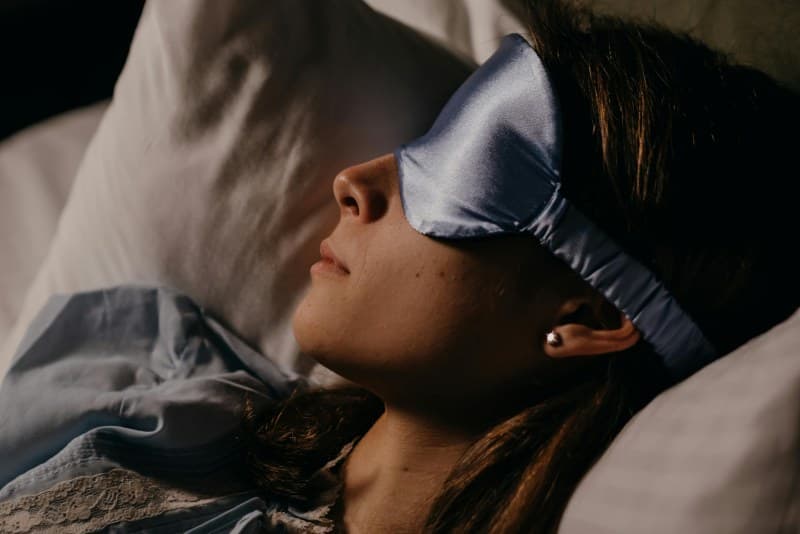
| Blackout curtains are the only way to block light | Even tiny light sources (like phone chargers) can suppress melatonin, the sleep hormone. | Use a sleep mask if blackout curtains aren’t feasible—they’re cheap and effective. |
| You need exactly 8 hours of sleep nightly | Sleep needs vary: some people thrive on 7 hours, others need 9. Age and lifestyle matter too. | Track your sleep for a week (use a journal or app) to find your ideal duration. |
| Watching TV in bed helps you unwind | Blue light from screens suppresses melatonin, making it harder to fall asleep. | Read a physical book or listen to soft instrumental music instead. |
| Napping longer than 30 minutes is bad | Power naps (20-30 mins) boost energy, but longer naps can disrupt nighttime sleep cycles. | If you need a longer nap, aim for 90 minutes (a full sleep cycle) to wake up refreshed. |
| Warm milk helps you sleep | It has tryptophan (a sleep-related amino acid), but the amount is too small to make a difference. | Combine warm milk with a small snack like a banana (high in magnesium) to boost relaxation. |
“Sleep is the best meditation.” — Dalai Lama
This quote reminds us that sleep doesn’t have to be overcomplicated. Instead of chasing fancy hacks, sometimes the simplest approach—like creating a calm environment—works best. Sarah learned this when she stopped counting sheep and started listing things she was grateful for: her cat’s purr, a good cup of coffee that morning, the way the sun set over her balcony. Within a week, she fell asleep 15 minutes faster.
Common Question: Is white noise safe to use every night?
Q: I use a white noise machine to block out traffic. Can this harm my sleep long-term?
A: Most studies say white noise is safe for regular use. It masks disruptive sounds and helps you fall asleep faster. Just keep the volume low (under 50 decibels, like a soft conversation) to avoid hearing damage over time. If you’re worried, try using it only on nights when there’s extra noise.
Final Thoughts: Keep It Simple
Sleep quality isn’t about perfecting every detail. It’s about letting go of myths and trying small, science-backed changes. Sarah swapped her TV time for reading, kept her naps short, and started using a sleep mask. Now she wakes up feeling rested—and she doesn’t even need to count sheep anymore.
Remember: everyone’s sleep needs are different. What works for Sarah might not work for you, but by testing these alternatives, you’ll find what helps you get the rest you deserve.