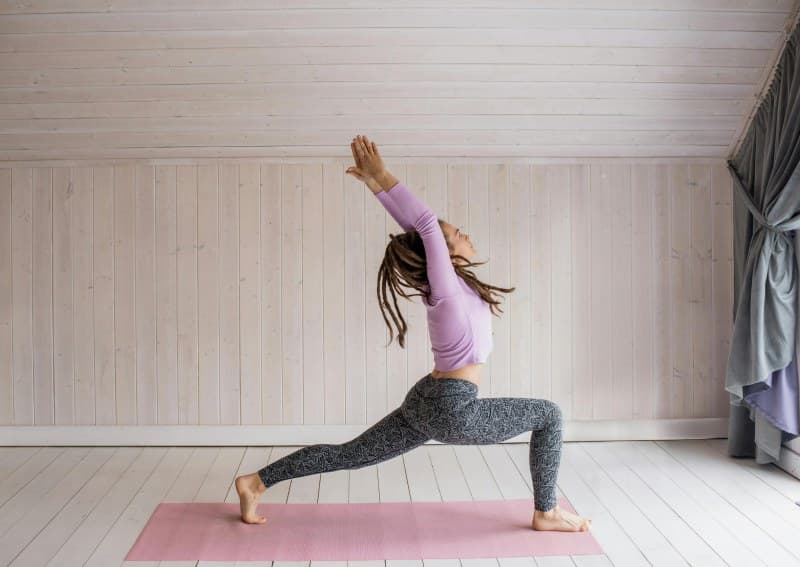
Imagine this: You roll up your yoga mat after a 20-minute morning flow. Your shoulders are relaxed, your mind feels uncluttered, and the world seems a little softer. But by the time you’re on your commute, that calm has faded—replaced by the stress of traffic or your to-do list. If this sounds familiar, you’re not alone. Post-yoga calm is a beloved sensation, but keeping it around can feel tricky.
Why post-yoga calm happens
It’s not just in your head—there’s science behind that post-pose peace. When you practice yoga, you activate your parasympathetic nervous system (the “rest-and-digest” mode), which slows your heart rate and lowers stress hormones like cortisol. Yoga also releases endorphins (your body’s natural mood boosters) and increases GABA, a neurotransmitter that reduces anxiety. These combined effects create that warm, centered feeling we all love.
2 ways to extend post-yoga calm
Want to hold onto that calm long after your mat is put away? Try these two methods:
1. Mindful transition out of yoga
Many people rush to get up right after savasana (the final resting pose). Instead, take 5 extra minutes to ease out: wiggle your fingers and toes, stretch your arms overhead, and sit up slowly. Then, take 3 deep breaths, saying a quiet phrase like “I carry this calm with me” as you exhale. This intentional transition helps your body stay in parasympathetic mode longer.
2. Carry a yoga ritual into your day
Pick a small habit from your yoga practice and repeat it throughout the day. For example: if you used a mantra like “breathe” during your flow, say it quietly when you feel stressed. Or, take 3 deep, slow breaths (like you did in savasana) before answering a work email. These micro-rituals act as anchors, bringing you back to that calm state.
Here’s how the two methods compare:
| Method | Effort Level | Time Required | Impact Duration | Pros | Cons |
|---|---|---|---|---|---|
| Mindful Transition | Low | 5-10 minutes | 1-2 hours | Easy to integrate into your yoga routine; immediate effect | Requires remembering to slow down post-practice |
| Daily Micro-Rituals | Medium | 1-2 minutes per ritual | All day | Long-lasting; helps build a consistent calm habit | Needs intentionality to remember throughout the day |
Myths about post-yoga calm
- Myth: Only long yoga sessions give calm.
Fact: Even 10-15 minutes of focused gentle yoga (like cat-cow, child’s pose, and savasana) can trigger the parasympathetic response. It’s about quality, not quantity. - Myth: You need to meditate after yoga to keep the calm.
Fact: Meditation is great, but micro-rituals (like deep breathing) work just as well for extending calm without extra time.
A classic quote to anchor your calm
“Feelings come and go like clouds in a windy sky. Conscious breathing is my anchor.” — Thich Nhat Hanh
This quote reminds us that the calm from yoga isn’t just a one-time feeling—it’s a skill we can nurture with intentional breathing and small habits.
FAQ: Common question about post-yoga calm
Q: Does the type of yoga affect how long the calm lasts?
A: Yes. Gentle styles like Hatha, Yin, or Restorative yoga tend to keep calm longer because they focus on slow movements and deep breathing. Power yoga or hot yoga may give a different kind of energy boost, but the calm can still be extended with the methods above.
Next time you finish your yoga practice, try one of these methods. You might be surprised how much longer that peaceful feeling stays with you.