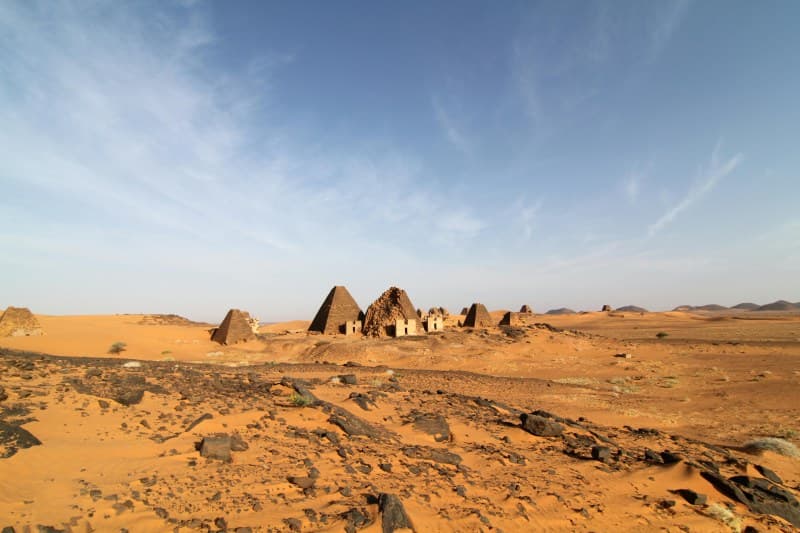
Last year, I showed up at Angkor Wat at 7 a.m., camera in hand, ready to capture the sunrise over the iconic spires. But I was turned away—my tank top didn’t cover my shoulders, and the site’s strict dress code meant no entry. I spent 20 minutes rushing to buy a cheap scarf from a nearby vendor, missing the golden hour entirely. That mistake taught me: visiting UNESCO World Heritage Sites isn’t just about showing up—it’s about being prepared.
What Makes a Site UNESCO-Worthy?
UNESCO (United Nations Educational, Scientific and Cultural Organization) designates sites as "World Heritage" if they meet at least one of 10 criteria. These fall into three main categories: cultural (like ancient monuments), natural (unique landscapes), or mixed (combining both). For example, the Great Barrier Reef is natural, Angkor Wat is cultural, and Mount Everest is mixed.
5 Key Things to Know Before You Go
Whether you’re planning a trip to the Taj Mahal or the Grand Canyon, these tips will help you make the most of your visit:
- ✨ Dress appropriately: Many cultural sites (like the Acropolis) require covered shoulders and knees. Pack a lightweight scarf or shawl to avoid being turned away.
- 🗓️ Book tickets early: Popular sites like Machu Picchu sell out months in advance. Some even limit daily visitors to protect the site—so plan ahead.
- 🤝 Respect local customs: Don’t touch ancient carvings, climb on fragile structures, or litter. At Japan’s Himeji Castle, for example, you’re not allowed to wear shoes inside.
- 🌱 Choose responsible tours: Avoid operators that take shortcuts (like off-trail hiking at Petra). Look for ones certified by organizations like the Global Sustainable Tourism Council.
- ⏳ Slow down: It’s easy to rush through a site to check it off your list. Take time to sit on a bench, read the information boards, or talk to a local guide—you’ll learn more and appreciate it more.
Types of UNESCO Sites: Quick Tips
Not all UNESCO sites are the same. Here’s a quick comparison to help you prepare:
| Type | Example | Key Tip |
|---|---|---|
| Cultural | Angkor Wat (Cambodia) | Follow dress codes; hire a local guide to learn about the history. |
| Natural | Great Barrier Reef (Australia) | Use reef-safe sunscreen; don’t touch or stand on coral. |
| Mixed | Mount Everest (Nepal/Tibet) | Pack warm layers; follow waste management rules to protect the environment. |
Debunking Common Myths
Let’s set the record straight on two common myths about UNESCO sites:
- Myth: UNESCO sites are always crowded.
Truth: While popular sites like the Eiffel Tower (a UNESCO site) are busy, others like the ancient city of Petra in Jordan have less crowded times (early morning or late afternoon). Some sites, like the remote Rapa Nui (Easter Island), are relatively quiet if you visit outside peak season. - Myth: You need to be a history buff to enjoy them.
Truth: Even if you don’t know every detail of a site’s history, you can appreciate its beauty. For example, the Grand Canyon’s natural wonders speak for themselves—you don’t need a degree in geology to be awed.
"We do not inherit the earth from our ancestors; we borrow it from our children." — Native American Proverb
This quote reminds us that UNESCO sites are not just tourist attractions—they’re treasures we need to protect for future generations. Small acts like picking up litter or following site rules can make a big difference.
FAQ: Your Questions Answered
Q: Do I need a guide to visit UNESCO sites?
A: It depends. For cultural sites like the Colosseum, a guide can help you understand the history and stories behind the ruins. For natural sites like Yellowstone, you might prefer to explore on your own. If you’re unsure, check the site’s official website for recommendations.
Q: Are UNESCO sites accessible for people with disabilities?
A: Many sites are making efforts to be more accessible. For example, the Taj Mahal has ramps and wheelchair-accessible paths. However, some older sites (like Machu Picchu) have steep stairs and may be challenging. Always check the site’s accessibility information before you go.
Visiting UNESCO sites is a chance to connect with the world’s most important cultural and natural treasures. By being prepared and respectful, you can have an unforgettable experience—without making the same mistake I did at Angkor Wat.