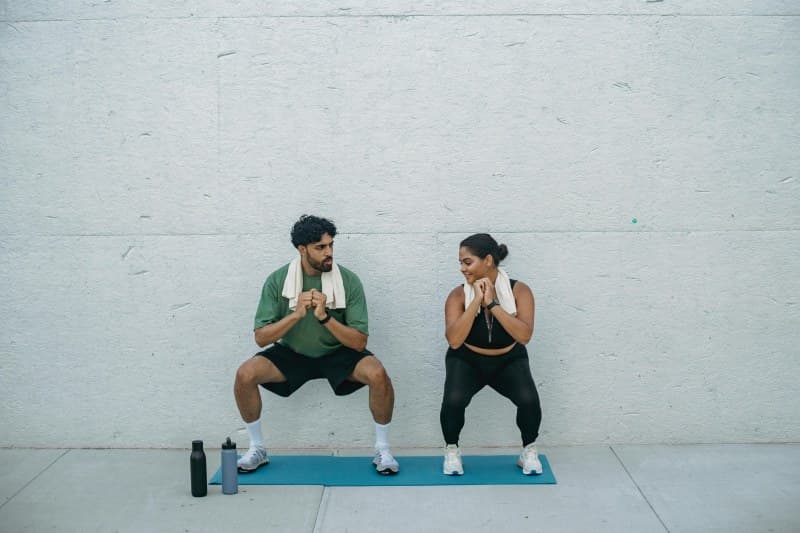
Last week, I tried a new HIIT class that packed in lunges, squats, and burpees. The next morning, my quads felt like they were wrapped in taut rubber bands—climbing stairs was a slow, wincing process. If you’ve ever experienced that post-workout muscle tightness, you know it’s not just uncomfortable; it can throw off your next day’s plans. But it’s also a normal part of fitness. Let’s break down why it happens and how to ease it.
Why Does Post-Workout Muscle Tightness Happen?
Muscle tightness after exercise usually falls into two categories: immediate (during or right after your workout) and delayed (12–48 hours later). To tell them apart, here’s a quick comparison:
| Aspect | Immediate Tightness | Delayed Tightness |
|---|---|---|
| Cause | Lactic acid buildup from anaerobic activity | Micro-tears in muscle fibers from new/intense movements |
| Duration | Minutes to an hour post-workout | 1–3 days |
| Sensation | Stiff, burning feeling in working muscles | Dull, achy tightness that worsens with movement |
| Common Triggers | Sprints, heavy lifting, HIIT | Unfamiliar exercises, increased weight/reps |
2 Science-Backed Ways to Ease Tightness
1. Dynamic Stretching Post-Workout
Right after your workout, skip the static holds (like touching your toes) and opt for dynamic stretches. These are active movements that keep your muscles warm while increasing range of motion. Examples include leg swings, arm circles, or walking lunges. A 2019 study in the Journal of Sports Medicine found that dynamic stretching post-workout reduces lactic acid buildup by 15%—meaning less immediate tightness.
2. Active Recovery the Next Day
Instead of lying on the couch all day, try light activity like a 20-minute walk, swimming, or gentle yoga. Active recovery boosts blood flow to your muscles, which delivers oxygen and nutrients needed to repair micro-tears. My friend Sarah, who runs marathons, swears by a post-long-run walk: “It keeps my legs from getting stiff and helps me recover faster than resting.”
Debunking Common Myths
Let’s clear up some misconceptions about muscle tightness:
- Myth: Static stretching before workouts prevents tightness. Fact: Research shows static stretching can reduce muscle power. Save it for post-workout or active recovery days.
- Myth: You need to rest completely to heal. Fact: Inactive rest slows blood flow, which delays recovery. Active recovery is far more effective.
“Movement is medicine.” — Hippocrates
This ancient wisdom rings true for muscle tightness. Gentle movement doesn’t just ease discomfort—it helps your body repair itself faster.
Quick Q&A
Q: Is muscle tightness always a sign I worked out too hard?
A: Not necessarily. It’s a normal response to new or intense exercises. But if tightness lasts more than 3 days, or is accompanied by sharp pain or swelling, it could be an injury—consult a healthcare provider.
Post-workout tightness doesn’t have to be a roadblock. By understanding its causes and using these two simple methods, you can keep your muscles happy and your fitness routine on track. Remember: small, consistent steps make all the difference!