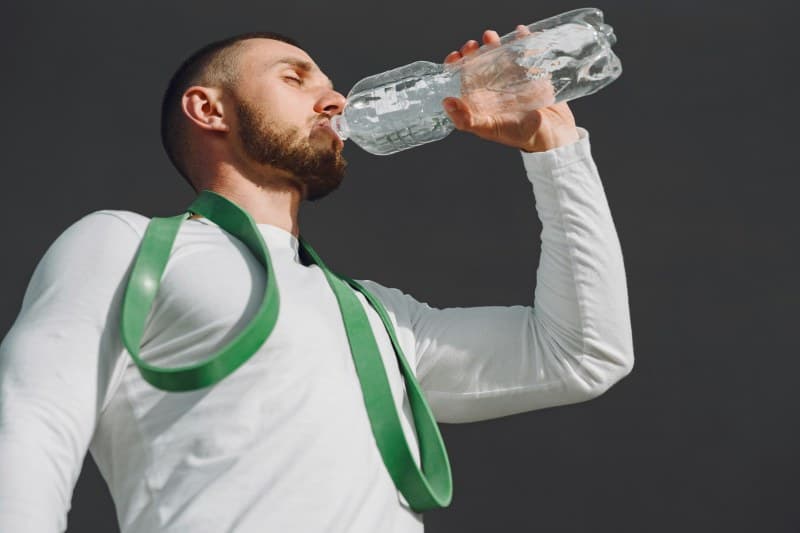
Let’s start with Sarah’s story: She’s a 32-year-old graphic designer who used to hit a wall at 3 PM every day. She’d reach for a second coffee, but it only made her jittery before crashing harder. Then a friend suggested she swap one coffee for a glass of water. Within a week, her midday slump was gone—she could focus through the afternoon without the caffeine rollercoaster. What changed? Her hydration levels.
5 Key Ways Hydration Boosts Your Energy
1. Powers Cellular Energy Production 💡
Every cell in your body needs water to make ATP, the molecule that fuels all your activities. When you’re dehydrated, ATP production slows down. Even a 1% drop in body water can reduce your energy levels by up to 10%—that’s why you feel sluggish when you skip water.
2. Clears Brain Fog for Focus ⚡
Your brain is 73% water. Dehydration shrinks brain tissue slightly, which disrupts neural connections. Studies show that even mild dehydration (2% body weight loss) can make it harder to concentrate, remember details, or solve problems. Sipping water throughout the day keeps your brain sharp.
3. Supports Muscle Function During Activity 💪
When you exercise or even do light chores, your muscles lose water through sweat. Dehydration leads to muscle cramps and fatigue because water helps transport nutrients like glucose to your muscles. Staying hydrated means your muscles can work longer without tiring.
4. Boosts Metabolism to Burn Calories 🔥
Drinking water (especially cold water) can temporarily increase your metabolism by 10-30% for up to an hour. This is because your body uses energy to warm the water to body temperature. While it’s not a weight loss miracle, it adds up over time and keeps you feeling energized.
5. Stabilizes Mood to Keep You Motivated 😊
Dehydration is linked to irritability, anxiety, and low mood. A 2018 study found that people who were dehydrated reported feeling more tired and less motivated. When you’re well-hydrated, your mood stays balanced, so you have the energy to tackle tasks.
Hydration Myths vs Facts
Let’s clear up some common misconceptions about hydration and energy:
| Myth | Fact |
|---|---|
| I only need water when I’m thirsty. | Thirst is a late sign of dehydration (1-2% body weight lost). By the time you feel thirsty, your energy is already dropping. |
| Coffee dehydrates me, so I shouldn’t drink it. | Moderate coffee (3-4 cups/day) doesn’t dehydrate. It contributes to your daily fluid intake—just don’t overdo it. |
| All fluids are equal for hydration. | Sugary drinks (like soda) cause energy crashes. Water, herbal tea, and electrolyte drinks are better for steady energy. |
| I don’t need water if I eat fruits/veggies. | Produce (like watermelon or cucumber) is 80-90% water, but you still need plain water for optimal hydration. |
Quick Tips to Stay Hydrated for Steady Energy
- Keep a water bottle with you (mark times on it to track intake—e.g., “10 AM” or “2 PM”).
- Add lemon, mint, or berries to water for flavor if you get bored.
- Drink a glass of water before meals (it also helps with portion control).
- Set reminders on your phone to sip every hour—small sips are better than chugging.
“Water is the elixir of life.” — Ancient Indian Proverb
This old wisdom rings true: Water isn’t just for survival. It’s the foundation of energy, focus, and overall well-being. Sarah’s story shows how simple changes to hydration can make a big difference.
FAQ: Your Hydration Questions Answered
Q: How much water do I actually need each day?
A: The general guideline is 8 cups (64 oz) for adults, but it varies. If you exercise heavily, live in a hot climate, or are pregnant, you may need 10-12 cups. A good rule: Check your urine—pale yellow means you’re hydrated; dark yellow means you need more water.