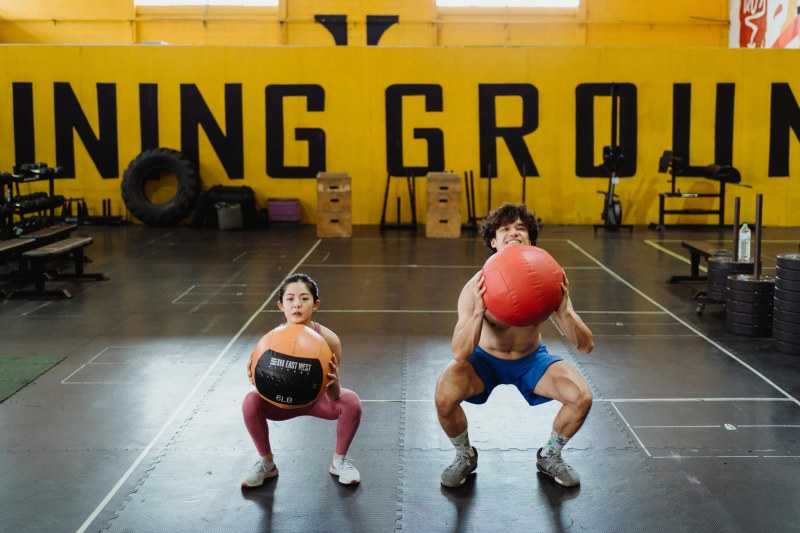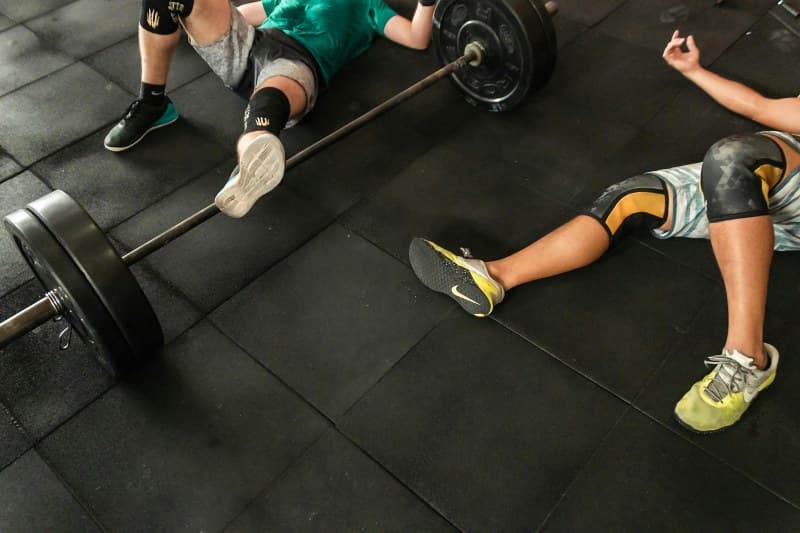
We’ve all been there: you finish a tough workout, feel on top of the world, then wake up the next morning with muscles so tight you can barely reach your cereal bowl. Sarah, a 32-year-old yoga instructor who tried her first HIIT class last month, knows this feeling all too well. Her quads and shoulders were so stiff she could barely hold a downward dog. But why does this happen, and how can you fix it without skipping your next session?
Why post-workout tightness sticks around
Post-workout tightness isn’t just a random ache—it’s your body’s way of signaling it’s been pushed. When you exercise, your muscles contract repeatedly, using up glycogen (energy) and water. This leads to temporary muscle shortening. Tiny micro-tears in muscle fibers (from new or intense movements) also trigger inflammation, which adds to that tight, sore feeling. Dehydration or skipping a cool-down can make it even worse.
2 science-backed ways to ease tightness
There are two proven methods to get rid of that stiff feeling: active recovery and targeted myofascial release. Let’s break them down side by side:
| Method | How It Works | Pros | Cons | Example |
|---|---|---|---|---|
| Active Recovery | Light movement boosts blood flow to tight muscles, delivering oxygen and nutrients to repair fibers. | Low effort, improves mobility, fits into daily routine. | May not provide immediate relief for severe tightness. | 20-minute walk or gentle yoga flow. |
| Myofascial Release | Applying pressure (via foam roller or massage) breaks up tight knots in connective tissue. | Immediate relief for specific tight spots. | Can be uncomfortable, requires tools (foam roller). | Foam rolling your quads for 5 minutes. |
"Rest is not idleness, and to lie sometimes on the grass under trees on a summer's day, listening to the murmur of the water, or watching the clouds float across the sky, is by no means a waste of time." — John Lubbock
This quote reminds us that recovery isn’t laziness—it’s an essential part of fitness. Whether you choose active recovery or myofascial release, taking time to care for your muscles helps you come back stronger.
Real-life example: Which method works better?
Mike, a 40-year-old weekend hiker, had tight calves after a 10-mile trail. He first tried foam rolling (myofascial release) and felt immediate relief, but his calves were sore again the next morning. Then he added a 20-minute walk (active recovery) the next day. By afternoon, his tightness was gone. The takeaway? Combining both methods often gives the best results.
FAQ: Common questions about post-workout tightness
Q: Is post-workout tightness the same as DOMS (delayed onset muscle soreness)?
A: No. Tightness usually hits within hours of a workout and feels like stiffness. DOMS is a dull ache that starts 24-72 hours later, caused by muscle damage from new movements.
Quick tips to prevent tightness
- Stay hydrated: Drink water before, during, and after your workout.
- Warm up: Spend 5-10 minutes doing dynamic stretches (like leg swings) to loosen muscles.
- Cool down: Finish with light movement (walking) or static stretches to reduce tightness.
- Don’t skip recovery days: Your muscles need time to repair.
Next time you feel that post-workout tightness, remember: it’s normal, and there are simple ways to ease it. Whether you go for a walk or grab your foam roller, taking care of your muscles will help you keep moving forward.