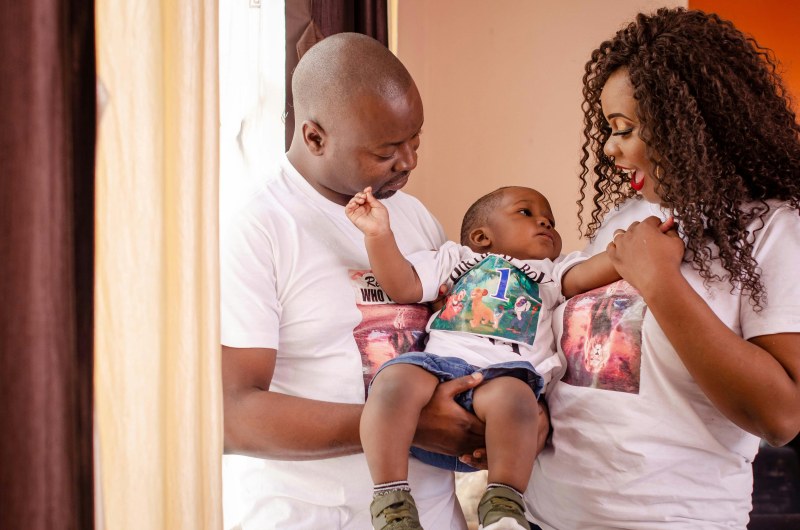
We’ve all been there: You snap at your kid for spilling juice on the floor after a long, stressful day. Then you see their teary eyes, and guilt washes over you. Apologizing to your child isn’t just about saying sorry—it’s about modeling accountability and keeping your bond strong.
Why Apologizing to Kids Matters
Kids learn how to handle mistakes by watching the adults in their lives. When you apologize, you teach them that it’s okay to be wrong, as long as you own up to it. This builds trust and helps them develop empathy for others.
"To err is human; to forgive, divine." — Alexander Pope. For parents, this quote takes on an extra layer: It’s not just about being forgiven, but about showing our kids that we’re human too.
The Two Key Apology Styles for Parents
Not all apologies are the same. The best one depends on the situation and your child’s age. Here are the two most effective styles:
1. The Direct Apology
This is short, clear, and to the point. It works well for small mistakes. For example: "I’m sorry I yelled at you for spilling juice. That was wrong."
2. The Narrative Apology
This style explains the context of your mistake without making excuses. It helps older kids understand your emotions. For example: "I was stressed about getting dinner ready on time, and I snapped at you. That wasn’t fair—spilling juice is an accident, and I shouldn’t have yelled."
Here’s how the two styles compare:
| Apology Style | Pros | Cons | Best For |
|---|---|---|---|
| Direct | Quick to deliver; clear message | May lack context for younger kids; feels abrupt | Small mistakes (e.g., forgetting a playdate promise) |
| Narrative | Builds empathy; helps kids understand emotions | Takes more time; risk of over-explaining (excuses) | Bigger mistakes (e.g., yelling, missing an event) |
Real-Life Example: Making It Work
Sarah, a working mom, missed her 8-year-old son’s soccer game because of a last-minute work meeting. She knew he’d be upset, so she used the narrative apology: "I’m so sorry I missed your game. I had to stay late to finish a project, but that’s not an excuse—I should have planned better. Let’s watch your coach’s game highlights together and get your favorite ice cream tonight." Her son was initially sad, but he appreciated the honesty and the plan to connect. They ended up having a great evening, and the mistake didn’t damage their bond.
Common Question: Should I Apologize Even If I Think I Was Right?
Q: My kid refused to clean their room, and I raised my voice. I still think they should clean it, but I feel bad about yelling. Should I apologize?
A: Yes! You can apologize for your delivery (yelling) without backing down on the expectation (cleaning the room). For example: "I’m sorry I yelled at you about cleaning your room. That was unkind. But it’s still important to keep your space tidy—let’s figure out a time to do it together." This separates the behavior (yelling) from the rule (cleaning), modeling accountability while maintaining boundaries.
Final Tips for Genuine Apologies
- Be specific: Don’t say "I’m sorry for everything"—name the mistake (e.g., "I’m sorry I forgot to read your bedtime story").
- Avoid excuses: Phrases like "I was tired so..." can sound like justification. Instead, use "I was tired, and I made a mistake by..."
- Follow through: If you promise to make amends (e.g., "I’ll take you to the park tomorrow"), keep that promise. It shows your apology is sincere.
Apologizing to your child isn’t a sign of weakness—it’s a way to build a strong, trusting relationship that will last a lifetime. The next time you make a mistake, take a deep breath and choose the apology style that fits the moment. Your kid will thank you for it.