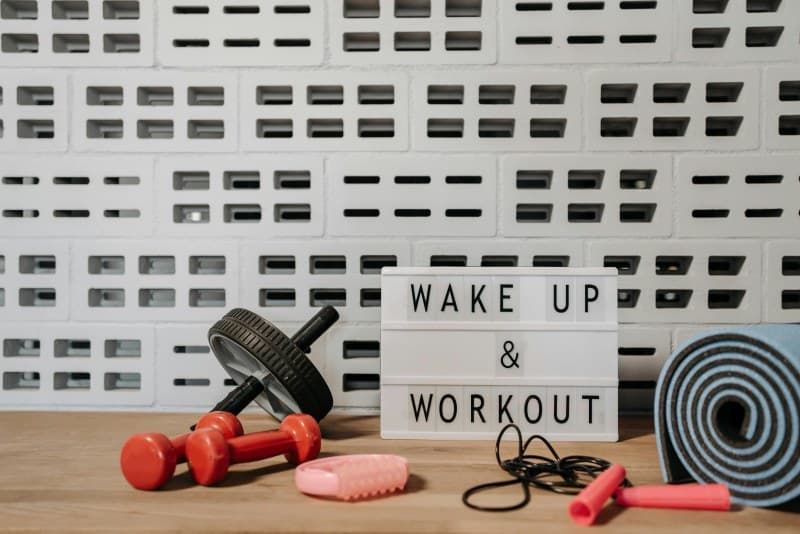
Last week, I tried a new HIIT class that threw in lunges and burpees I’d never done before. The next morning, I could barely climb stairs—my quads felt like they’d been hit with a hammer, and even laughing made my abs ache. If you’ve ever experienced that post-workout soreness (called DOMS, or Delayed Onset Muscle Soreness), you know exactly what I’m talking about.
Why Does Post-Workout Soreness Happen?
DOMS isn’t just your muscles complaining—it’s a sign they’re adapting. When you do unaccustomed movements (like those lunges), tiny micro-tears form in your muscle fibers. Your body responds with inflammation to repair these tears, which causes the dull, achy feeling you get 24-72 hours after exercise. It’s your muscles’ way of getting stronger, but that doesn’t make the soreness any less annoying.
7 Science-Backed Ways to Ease Soreness
You don’t have to suffer through soreness. Here are 7 evidence-based methods to speed recovery:
- Active Recovery 🌿: Gentle movement (walking, swimming, or yoga) boosts blood flow to sore muscles, helping them heal faster without adding stress.
- Foam Rolling 💆: Using a foam roller targets tight areas and breaks up knots, reducing muscle tension and soreness.
- Cold Therapy ❄️: Ice packs or short ice baths reduce inflammation, which can ease pain in the first 48 hours.
- Heat Therapy 🔥: After 48 hours, warm baths or heating pads relax muscles and improve circulation.
- Protein-Packed Meals 🥩: Eating protein (like chicken, beans, or Greek yogurt) within 2 hours post-workout helps repair muscle fibers.
- Hydrate 💧: Dehydration can worsen soreness—drink water or electrolyte drinks to keep your muscles happy.
- Sleep 😴: Most muscle repair happens while you sleep, so aim for 7-9 hours a night.
To help you choose the right method, here’s a quick comparison:
| Method | Effectiveness | Time Investment | Ease of Use |
|---|---|---|---|
| Active Recovery | Moderate-High | 15-30 mins | Easy |
| Foam Rolling | High | 5-10 mins | Moderate |
| Cold Therapy | Moderate | 10-15 mins | Easy |
| Heat Therapy | Moderate | 10-20 mins | Easy |
Common Myths About Soreness
Let’s debunk a few myths:
- Myth: Soreness means you had a good workout.
Fact: Soreness indicates new movements, but a great workout can build strength without leaving you sore. - Myth: Stretching before exercise prevents soreness.
Fact: Dynamic stretching (like leg swings) warms up muscles, but static stretching (holding a pose) doesn’t reduce DOMS.
“Rest is not idleness, and to lie sometimes on the grass under trees on a summer’s day, listening to the murmur of the water, or watching the clouds float across the sky, is by no means a waste of time.” — John Lubbock
This quote reminds us that recovery is just as important as the workout itself. Active recovery or even a lazy afternoon in the sun can help your muscles heal.
Q&A: Your Soreness Questions Answered
Q: How long does DOMS usually last?
A: Most soreness fades within 3-5 days. If it lasts longer than a week, it might be a sign of injury—consult a healthcare provider.
Whether you’re a gym newbie or a seasoned athlete, DOMS is a normal part of fitness. With these tips, you can turn that ache into a step toward stronger muscles.