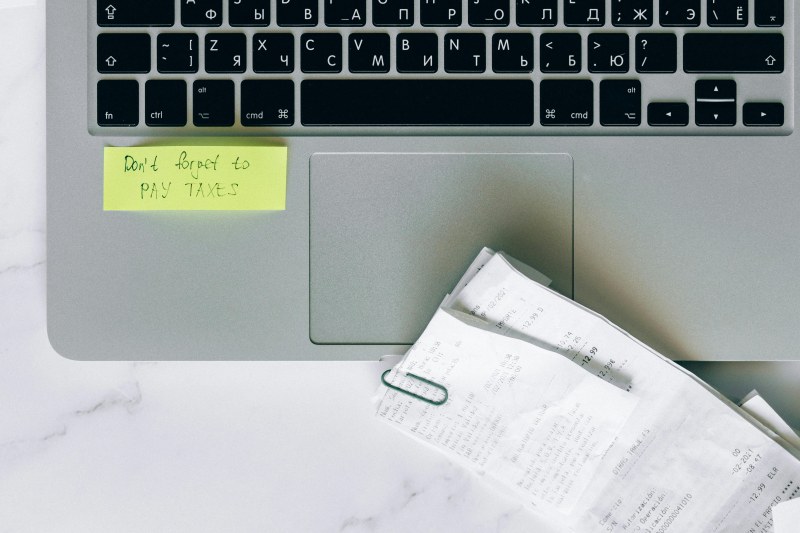
Last month, my friend Lila got a $800 car repair bill out of nowhere. She had to put it on her credit card, which meant paying interest for months. If she’d had an emergency fund, that stress could’ve been avoided. Emergency funds aren’t just for “rich people”—they’re a safety net everyone needs.
What Is an Emergency Fund?
An emergency fund is money set aside specifically for unexpected, necessary expenses. Think car breakdowns, medical co-pays, or a sudden job loss. It’s not for vacations, new phones, or sale items—those are planned or discretionary costs.
2 Key Types of Emergency Funds
There are two main types of emergency funds, each serving a different purpose. Let’s break them down:
| Feature | Short-Term Buffer | Full Emergency Fund |
|---|---|---|
| Purpose | Cover small, immediate expenses | Cover 3-6 months of living costs for major crises |
| Ideal Size | $500-$1,000 | 3-6x monthly essential expenses (rent, food, utilities) |
| Best For | Beginners, those with tight budgets | Anyone with stable income, renters/homeowners |
| Pros | Quick to build, reduces credit card reliance | Provides long-term security for job loss/medical issues |
| Cons | Not enough for big emergencies | Takes longer to build, may feel overwhelming at first |
Common Myths Debunked
Myth 1: “I don’t make enough to save for one.”
Even small amounts add up. If you save $25 a week, that’s $1,300 a year—enough for a short-term buffer. Lila could’ve saved $20/week and had her $800 car repair fund in 10 months.
Myth 2: “It’s okay to dip into it for a sale or fun trip.”
If it’s not unexpected and necessary, it’s not an emergency. Dipping into your fund for non-emergencies breaks the safety net. For example, using it for a Black Friday deal means you’ll have nothing left when your fridge dies.
How to Start Building Your Emergency Fund
- Automate savings: Set up a monthly transfer from your checking to a separate savings account (preferably high-yield).
- Use windfalls: Put tax refunds, work bonuses, or birthday cash into your fund instead of spending it.
- Cut small expenses: Skip one coffee a week ($5) and save that $20/month—over a year, that’s $240.
“An ounce of prevention is worth a pound of cure.” — Benjamin Franklin
This quote sums up emergency funds perfectly. Spending a little time saving now prevents big financial headaches later, like Lila’s credit card debt.
FAQ: Choosing the Right Fund
Q: How do I decide which type of emergency fund to start with?
A: If you’re new to saving, start with a short-term buffer ($500-$1,000). It’s quick to build and gives you immediate peace of mind. Once that’s full, work on your full emergency fund. If you have a stable job and want long-term security, focus on the full fund first.
Emergency funds are a simple but powerful tool to protect your financial health. Whether you start small with a buffer or aim for a full fund, every dollar saved brings you closer to peace of mind. Don’t wait for the next unexpected bill—start today.