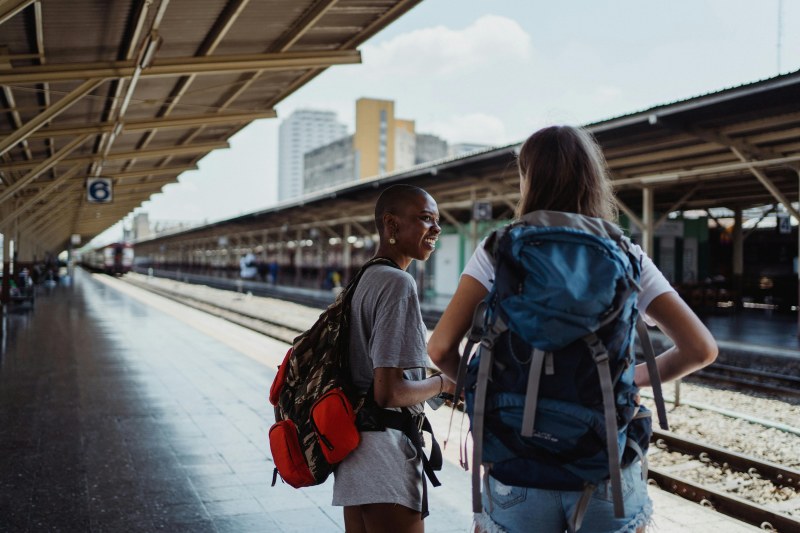
Let’s start with my friend Lila. She spent two weeks in Kyoto—sipping matcha lattes at street stalls, wandering bamboo groves, and staying up late to watch fireflies. When she landed back in Seattle, the gray rain and her 9-to-5 desk job hit her like a wet blanket. She told me, “I kept reaching for my wallet to buy a bento for lunch, then remembered I was home.” That’s post-travel blues: a quiet slump that creeps in when the adventure ends and routine takes over.
Why does post-travel blues happen?
Trips are full of novelty—new sights, sounds, and tastes that flood our brains with dopamine, the “happy hormone.” When we return to our daily grind, that dopamine rush fades. Plus, trips let us be our best selves: adventurous, relaxed, curious. Going back to folding laundry or answering emails can feel like losing that version of who we were on the road.
Common myths about post-travel blues (busted!)
- Myth: It means you hate your home life. Busted: Even people who love their jobs feel it—it’s about contrast, not dislike.
- Myth: Only long trips cause it. Busted: A 3-day weekend getaway can trigger it if it was meaningful.
- Myth: It’s a sign the trip wasn’t worth it. Busted: It’s the opposite—you loved the trip so much that coming back feels hard.
6 ways to bounce back from post-travel blues
Here’s a breakdown of practical strategies to ease the slump, tailored to different needs:
| Strategy | Effort Level | Time to Effect | Pros | Cons |
|---|---|---|---|---|
| Recreate trip moments at home | Low | Quick (hours) | Instantly connects you to trip joy; easy to do | Might temporarily amplify longing |
| Plan a small next adventure | Med | 1-2 days | Gives you something to look forward to; boosts mood | Requires planning time |
| Share stories with others | Low | Quick (hours) | Relives the trip; strengthens connections | Some listeners might not share your excitement |
| Integrate trip habits into daily life | Med | Week+ | Keeps trip spirit alive; freshens routine | Needs consistency to stick |
| Do a “reset” day at home | Med | 1 day | Eases transition to routine; reduces stress | Might feel like a chore initially |
| Practice gratitude for the trip | Low | Quick (minutes) | Shifts focus to positive memories; lifts mood | Needs intentionality to remember |
What the classics say about travel and home
“The world is a book, and those who do not travel read only one page.” — Saint Augustine
This quote reminds us that travel expands our perspective. Post-travel blues isn’t a bad thing—it’s a sign your trip changed you, and your old routine no longer fits the new you. Embrace it as a reminder of the pages you’ve added to your life’s story.
FAQ: Your post-travel blues questions answered
Q: How long should post-travel blues last?
A: Most people feel it for 1-3 days. If it lingers longer than two weeks, or affects your work or relationships, consider talking to a mental health professional.
Q: Can I prevent post-travel blues?
A: You can’t fully avoid it, but you can ease it by planning a gentle transition (e.g., take a half-day off work after your trip) or packing a small “trip souvenir” to use at home (like a tea bag from your favorite café).
Post-travel blues is a normal part of the travel experience. It’s proof you’ve had an adventure worth remembering. So next time you feel that slump, try one of these strategies—and remember: the next trip is always around the corner.