Imagine wandering through the vibrant Jemaa el-Fnaa market in Marrakech—colorful piles of spices, the smoky scent of grilled lamb, and vendors calling out to passersby in a mix of Arabic and French. But how do you tell the difference between a stall serving tourist-friendly tagine (loaded with extra oil and watered-down spice) and the one where locals line up for their daily lunch? Finding authentic local food in travel markets isn’t just about getting a tasty meal—it’s about connecting with the culture and supporting small, local businesses. Let’s break down 5 key tips to make your next market food adventure unforgettable.
5 Key Tips to Spot Authentic Local Food 🍜
These tips will help you navigate any market, from Bangkok’s Chatuchak to Mexico City’s Mercado de la Merced:
- Follow the locals: If a stall has a line of residents (not just tourists) waiting, that’s a golden sign. Locals know the best spots for fresh, flavorful food.
- Look for simple menus: Authentic stalls often specialize in one or two dishes (like a single type of noodle soup or grilled meat) instead of a long list of "international" options.
- Check for fresh, local ingredients: Stalls using in-season produce or locally sourced meat/fish are more likely to serve authentic flavors.
- Avoid overly flashy signs: Tourist traps often have bright, English-language signs with photos. Local stalls may have handwritten signs in the native language.
- Watch the preparation: If food is cooked to order (not pre-made and sitting out), it’s more likely to be fresh and authentic.
To make it easier, here’s a quick comparison between tourist and local market stalls:
| Feature | Tourist Stall | Local Stall |
|---|---|---|
| Crowd | Mostly tourists, few locals | Long lines of locals, occasional tourists |
| Menu | Long, multilingual (English, Spanish, etc.) | Short, native language only (or minimal English) |
| Pricing | Higher, often marked up for tourists | Affordable, local pricing |
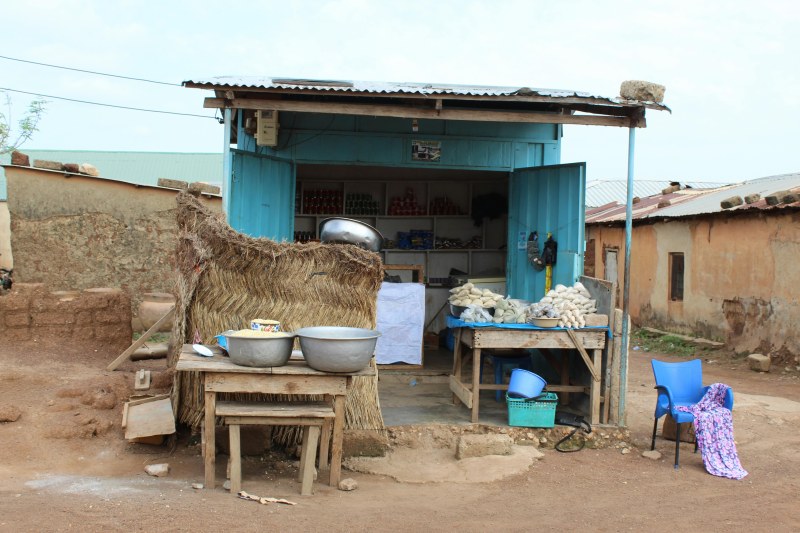
| Presentation | Overly garnished, "photo-ready" plates | Simple, no-frills serving (e.g., wrapped in paper or served in a plastic bowl) |
Common Myths Debunked 💡
Let’s bust two common myths about market food:
- Myth: Busy stalls are overpriced.
Fact: Busy stalls usually have fresh food and fair prices—locals wouldn’t wait if they weren’t getting good value. - Myth: You need to speak the local language to order.
Fact: Most local vendors understand basic gestures (pointing to the dish, holding up fingers for portions) or have photos of their dishes. Translation apps like Google Translate also work wonders.
"Food is our common ground, a universal experience." — James Beard
This quote perfectly captures the magic of market food. In a Thai market, sharing a bowl of tom yum goong with a local family (even if you don’t speak Thai) can create a connection that lasts longer than the meal itself. Food breaks down barriers and tells stories about the place you’re visiting.
FAQ: Your Market Food Questions Answered
Q: How do I know if a market stall is safe to eat at?
A: Look for stalls where food is kept hot (or cold, for salads/desserts) and where the vendor maintains basic hygiene (e.g., wearing gloves, using clean utensils). A steady stream of local customers is also a good indicator of safety.
Next time you’re in a travel market, skip the tourist traps and follow these tips. You’ll not only get a delicious meal but also a glimpse into the heart of the local culture.