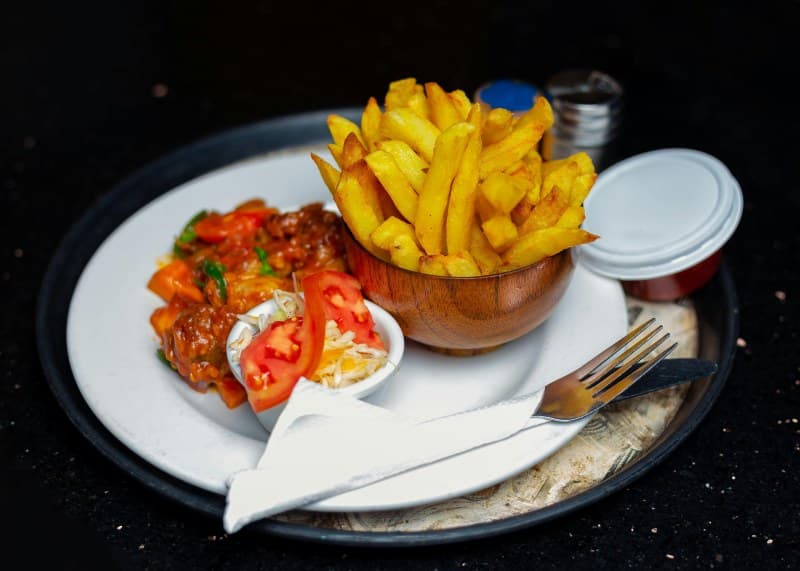
It’s 2 PM at the office. You just finished a hearty lunch of pasta and garlic bread, and suddenly your eyes feel heavy. The spreadsheet in front of you blurs, and you’re tempted to rest your head on the desk for ‘just five minutes.’ Sound familiar? Post-meal drowsiness—often called a ‘food coma’—is a common experience, but it doesn’t have to derail your afternoon.
Why Does Post-Meal Drowsiness Happen?
When you eat, your body shifts blood flow from your brain to your digestive system to break down food. This temporary reduction in brain blood flow can make you feel sleepy. Carbs, especially refined ones like white bread or pasta, trigger insulin release. Insulin helps tryptophan—an amino acid found in many foods—cross the blood-brain barrier. Once there, tryptophan turns into serotonin and then melatonin, hormones that promote sleep. Large portions also put extra strain on your gut, worsening the drowsy feeling.
"Eat not to dullness; drink not to elevation." – Benjamin Franklin
Franklin’s 18th-century advice still rings true today. Overeating or choosing heavy, carb-loaded meals can lead to that dull, sleepy state. Moderation and smart food choices are key to avoiding post-meal slumps.
6 Ways to Beat Post-Meal Drowsiness
Here’s a breakdown of science-backed tips to stay alert, compared by effort level and effectiveness:
| Tip | Effort Level | Effectiveness (1-5) | How It Works |
|---|---|---|---|
| Take a 10-minute walk | Low | 4 | Boosts blood flow to the brain and reduces insulin spikes. |
| Choose protein-rich meals | Medium | 5 | Slows carb absorption and stabilizes blood sugar. |
| Stay hydrated | Low | 3 | Dehydration worsens drowsiness; water keeps you alert. |
| Avoid large portions | Medium | 4 | Reduces strain on your digestive system. |
| Limit refined carbs | Medium | 5 | Prevents rapid insulin spikes and tryptophan surge. |
| Small caffeinated drink (moderation) | Low | 3 | Caffeine blocks adenosine, a sleep-inducing chemical. |
Real-Life Example: Sarah’s Afternoon Turnaround
Sarah, a marketing manager, used to struggle with post-lunch sleepiness. She’d skip walks to finish work, then crash at her desk by 2:30 PM. After switching to a grilled chicken salad with quinoa (instead of pasta) and adding a 10-minute walk around the office park, she noticed a big change. “I no longer need to fight the urge to nap,” she says. “My afternoons are productive again, and I don’t feel guilty about taking a short break.”
FAQ: Common Questions
Q: Is post-meal drowsiness always a sign of a health problem?
A: No, it’s usually normal. But if it’s extreme, lasts hours, or comes with bloating or fatigue, talk to a doctor—especially if you suspect insulin resistance or other digestive issues.
Q: Can snacks help prevent post-meal slumps?
A: Yes! Small, balanced snacks (like nuts and fruit) keep blood sugar stable. Avoid sugary snacks—they cause energy crashes later.
Final Thoughts
Post-meal drowsiness is a natural response, but it doesn’t have to control your day. By making small changes to your diet (like choosing protein over refined carbs) and routine (like taking a short walk), you can stay alert and productive. Remember: eat to fuel your body, not to the point of dullness.