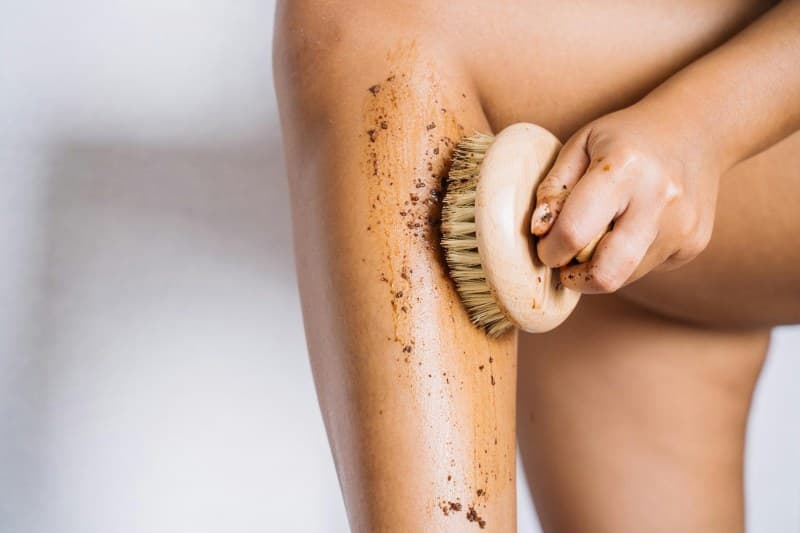
Last month, my friend Lila decided to step up her skincare routine. She’d seen a viral post claiming daily exfoliation was the secret to glass skin, so she started using a gritty physical scrub every morning and a strong chemical peel every night. Within a week, her face was red, tight, and dotted with tiny flakes—she thought she was doing something right, but she was actually damaging her skin’s natural barrier. This is a common mistake, thanks to conflicting advice online.
Is Daily Exfoliation Really Necessary?
The short answer: No. For most skin types (normal, dry, sensitive), exfoliating 2-3 times a week is enough. Oily skin might handle 4 times, but daily exfoliation strips away the skin’s protective layer, leading to irritation, breakouts, or increased sun sensitivity. Your skin naturally sheds dead cells every 28 days—exfoliation just speeds up the process, but overdoing it does more harm than good.
Chemical vs. Physical Exfoliants: A Quick Comparison
Before diving into myths, let’s clarify the two main types of exfoliants and their best uses:
| Type | How It Works | Best For | Pros | Cons |
|---|---|---|---|---|
| Chemical (AHAs/BHAs) | Uses acids (like glycolic or salicylic) to dissolve dead skin cells | Oily, acne-prone, or dull skin | Gentle on skin barrier; penetrates pores deeply | Can cause sensitivity if overused; needs sun protection |
| Physical (Scrubs/Brushes) | Uses abrasive particles to physically slough off dead cells | Normal skin (occasional use) | Immediate smoothness; easy to use | Risk of micro-tears; harsh on sensitive skin |
7 Common Exfoliation Myths Debunked
- Myth 1: Daily exfoliation = glass skin.
Truth: Over-exfoliation breaks down your skin’s barrier, leading to redness and flaking—exactly the opposite of glass skin. - Myth 2: Physical scrubs are better for deep cleaning.
Truth: Gritty scrubs can cause tiny cuts in the skin, making it more prone to bacteria and irritation. - Myth 3: All chemical exfoliants are harsh.
Truth: Gentle options like lactic acid (for dry skin) or mandelic acid (for sensitive skin) are mild and effective. - Myth 4: Exfoliation erases acne scars.
Truth: It fades surface discoloration, but deep scars require specialized treatments like laser therapy. - Myth 5: Dry skin doesn’t need exfoliation.
Truth: Dry skin accumulates dead cells, so gentle exfoliation (1-2 times a week) helps moisturizers absorb better. - Myth 6: Tingling means the exfoliant is working.
Truth: Tingling is a sign of irritation—stop using the product if you feel it. - Myth 7: You can exfoliate the eye area.
Truth: The eye area is 10x thinner than facial skin—use a dedicated eye cream instead.
Moderation: The Golden Rule
“Moderation in all things, including moderation.” — Oscar Wilde
This quote perfectly applies to exfoliation. Finding the right frequency for your skin type is key. For example, if you have sensitive skin, try a lactic acid exfoliant once a week. If you’re oily, a salicylic acid pad 3 times a week might work. Listen to your skin—if it feels tight or red, cut back.
FAQ: How Do I Know If I’m Over-Exfoliating?
Q: What are the clear signs of over-exfoliation?
A: Look for redness, tightness, flaking, increased sensitivity to products or sun, or sudden breakouts (from a damaged barrier). If you notice any of these, stop exfoliating for 1-2 weeks and use a gentle, fragrance-free moisturizer to repair your skin.