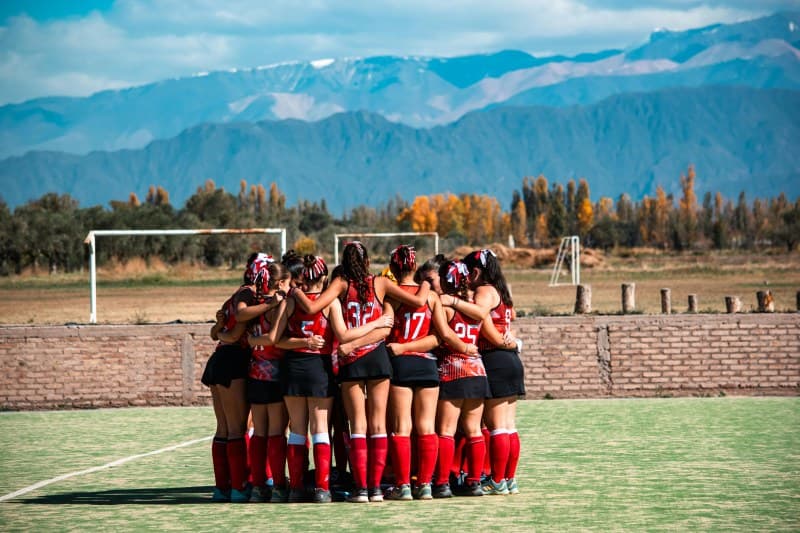
Last weekend, I joined a pickup soccer game with old high school friends. We laughed, ran hard, and even scored a few goals. But the next morning? My quads felt like they’d been tied in knots. I could barely climb the stairs. Sound familiar? Post-casual sports stiffness is a common pain point for anyone who loves to play—whether it’s basketball, tennis, or a weekly hike. Let’s break down why it happens, how to fix it, and what myths you should ignore.
Why Does That Stiffness Stick Around?
Most of us call it “muscle soreness,” but the technical term is Delayed Onset Muscle Soreness (DOMS). It usually hits 24-72 hours after a workout or game, especially if you tried new moves (like that fancy soccer dribble I attempted). DOMS happens when tiny micro-tears form in your muscle fibers as you push them beyond their usual range. Contrary to popular belief, it’s not caused by lactic acid—lactic acid clears out of your muscles within an hour or two post-exercise.
6 Ways to Ease Stiffness: Which Works Best?
Not all relief methods are equal. Here’s a quick breakdown of what to try:
| Method | Effort Level | Effectiveness (1-5) | Notes |
|---|---|---|---|
| Gentle Stretching | Low | 3 | Focus on dynamic stretches (like leg swings) to boost blood flow. |
| Foam Rolling | Medium | 4 | Target tight areas—roll slowly for 30 seconds per spot. |
| Heat Therapy | Low | 3 | Use a heating pad or warm bath to relax muscles. |
| Cold Compress | Low | 2 | Best for acute soreness (first 24 hours) to reduce inflammation. |
| Hydration & Protein | Low | 4 | Drink water and eat protein (like chicken or Greek yogurt) to repair muscles. |
| Light Movement | Low | 5 | A short walk or yoga session keeps blood flowing without straining. |
Busting Stiffness Myths
Let’s set the record straight on two common misconceptions:
- Myth 1: Lactic acid causes DOMS. As we mentioned earlier, lactic acid is gone quickly. DOMS is all about micro-tears.
- Myth 2: You need to rest completely. Skipping movement can make stiffness worse. Light activity (like a 10-minute walk) helps your muscles recover faster.
What the Pros Say
“The body achieves what the mind believes.” — Muhammad Ali
This isn’t just a motivational line. Taking care of your body post-game—like doing those stretches or drinking water—shows your mind you’re committed to coming back stronger. Recovery is part of the game, not an afterthought.
FAQ: Your Stiffness Questions Answered
Q: Is it okay to play again if my muscles are still stiff?
A: It depends. If the stiffness is mild, light play (like a casual throw) is fine. But if it hurts to move, take an extra day to recover. Pushing through severe pain can lead to injury.
Post-casual sports stiffness doesn’t have to ruin your week. By understanding why it happens, using the right relief methods, and debunking myths, you can get back to your favorite games faster. Remember: recovery is just as important as the game itself. So next time you hit the field, don’t forget to plan for the day after—your muscles will thank you.