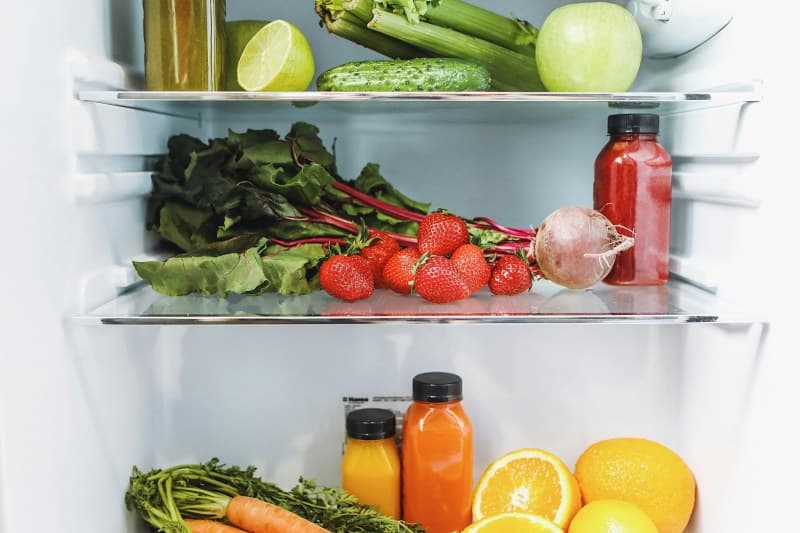
Last week, I spent 5 minutes digging through my tiny apartment fridge looking for a jar of dill pickles—only to find it buried behind a half-eaten carton of Greek yogurt and a bag of wilted kale. If your small kitchen fridge feels like a cluttered mess where you can never find what you need, you’re not alone. The good news? With a few simple tweaks, you can turn that chaos into an organized, space-efficient storage spot.
Common Fridge Organization Myths (Debunked!) 🧊
Before we dive into tips, let’s clear up some persistent myths about fridge storage:
| Myth | Truth |
|---|---|
| Eggs belong in the fridge door. | The door is the warmest spot—store eggs on a middle shelf for consistent temperature. |
| All leftovers last 7 days. | Cooked meats and fish should be eaten within 3-4 days; veggies/fruits up to 5. |
| You don’t need to clean the fridge weekly. | Weekly cleaning removes expired items and prevents cross-contamination. |
6 Key Tips to Organize Your Small Fridge 💡
These tips are renter-friendly, budget-conscious, and easy to implement:
1. Use Stackable, Clear Containers
Ditch mismatched Tupperware for stackable, transparent containers. They let you see what’s inside without opening every lid, and their uniform shape maximizes vertical space. My friend Sarah swapped her random containers for a set of 5 stackable ones and instantly freed up a whole shelf!
2. Label Everything (Including Dates)
Write the contents and date on leftover containers with a marker or sticker. This prevents "mystery food" from taking up space. For example, labeling a container "Chicken Curry - 10/15" helps you remember to eat it before it goes bad.
3. Group Like Items Together
Create zones: dairy (milk, cheese, yogurt), produce (fruits, veggies), leftovers, condiments, and drinks. This way, you know exactly where to look for what you need. I keep all my condiments in one door bin—no more rummaging through multiple bins!
4. Utilize Door Bins Wisely
The door is the warmest part of the fridge, so store items that can handle temperature fluctuations: condiments (ketchup, mustard), pickles, and jams. Avoid storing eggs, milk, or sensitive veggies here.
5. Rotate with FIFO (First In, First Out)
When you buy new groceries, place them behind the old ones. This ensures you use older items first, reducing food waste. For example, if you buy new milk, put it behind the half-full carton so you finish the old one first.
6. Clean Weekly (Yes, Weekly)
Set aside 10 minutes every Sunday to toss expired items, wipe down shelves, and rearrange. This keeps your fridge fresh and prevents clutter from building up. I started doing this and noticed I throw away 50% less food now!
Here’s how these tips stack up in terms of effort and space saved:
| Tip | Effort Level | Space Saved |
|---|---|---|
| Stackable Containers | Medium (buying containers) | High |
| Labeling | Low | Medium |
| Grouping Zones | Low | Medium |
| Door Bin Usage | Low | Low |
| FIFO Rotation | Low | Medium |
| Weekly Cleaning | Medium | High |
"A place for everything, and everything in its place." — Benjamin Franklin
This classic quote sums up the heart of fridge organization. When every item has a designated spot, you don’t waste time searching, and you’re less likely to let food go bad. It’s a small change that makes a big difference in your daily routine.
Quick FAQ 🍎
Q: Can I store fruits and vegetables together in the fridge?
A: No! Many fruits (like apples, bananas, and avocados) release ethylene gas, which speeds up the spoilage of veggies (like broccoli, carrots, and lettuce). Keep them in separate drawers or use ethylene-absorbing packets (like those in shoe boxes) to slow the process.
By implementing these tips, you’ll turn your cluttered fridge into a functional space that saves you time, money, and frustration. Give it a try this weekend—you’ll be surprised at how much difference it makes!