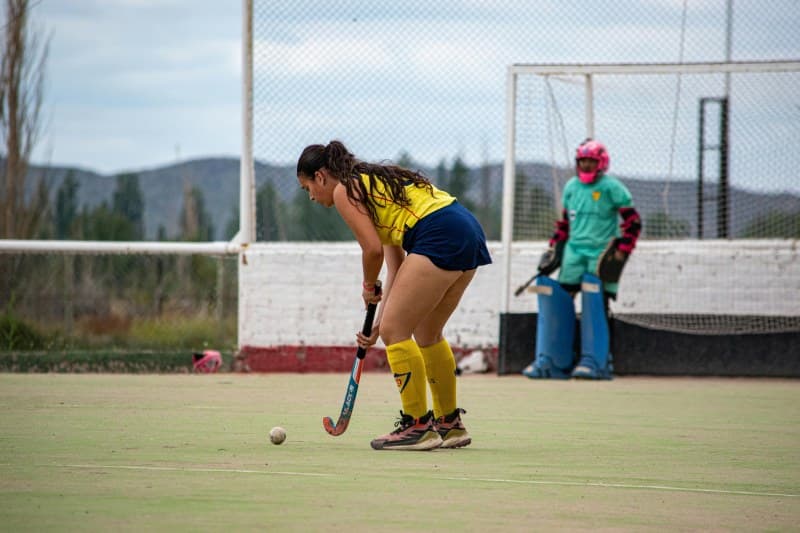
You laced up your sneakers for a pickup soccer game on Saturday—ran hard, laughed a lot, and didn’t even feel tired until you collapsed on the couch later. But Sunday morning? Your legs feel like they’re filled with lead. You can barely climb stairs, and every step makes you wince. Sound familiar? That’s the post-casual sports soreness we all know too well.
Why that soreness hits (it’s not just “being out of shape”)
Most of the time, this ache is Delayed Onset Muscle Soreness (DOMS). It happens when your muscles do movements they’re not used to—like that sudden sprint to score a goal or the awkward twist to catch a frisbee. These movements cause tiny micro-tears in your muscle fibers. Your body responds by sending blood and nutrients to repair them, which leads to inflammation and that stiff, sore feeling. DOMS usually peaks 24-72 hours after your activity—hence the Sunday morning surprise.
2 Key Ways to Ease Soreness (and How They Compare)
Not sure whether to rest on the couch or go for a walk? Let’s break down the two most effective methods:
| Method | What It Is | Pros | Cons | Time Investment |
|---|---|---|---|---|
| Active Recovery | Light movement like walking, cycling, or yoga to boost blood flow. | Reduces stiffness, speeds up healing, keeps you moving. | Requires some energy (hard if you’re really sore). | 15-30 minutes per day. |
| Passive Recovery | Resting, stretching, or using heat (like a warm bath) to relax muscles. | Low effort, great for severe soreness. | May lead to more stiffness if overdone. | 10-20 minutes (or as long as you want). |
“Rest when you’re weary. Refresh and renew yourself, your body, your mind, your spirit. Then get back to work.” — Ralph Marston
Marston’s words ring true here: recovery isn’t just about lying still. It’s about balancing rest with gentle movement to help your body heal. For example, if your legs are sore after a run, a 20-minute walk the next day can do more good than sitting all day.
Myth Busting: What Doesn’t Help (And Why)
Let’s set the record straight on two common myths:
- Myth 1: Ice every sore muscle for hours. While ice can reduce inflammation right after an injury, over-icing DOMS can slow down the healing process. Your body needs that mild inflammation to repair muscles.
- Myth 2: Skip movement entirely until soreness is gone. Staying still makes muscles stiffer. Even a short walk or gentle stretch can loosen things up.
Quick Q&A: Your Soreness Questions Answered
Q: Is it safe to play again while I’m still sore?
A: Yes—if you take it easy. Stick to low-intensity activities like swimming or light yoga. Avoid the same movements that caused the soreness (like sprinting if your legs are sore). Listen to your body: if it hurts more than mild discomfort, stop.
Next time you finish a casual game and feel that soreness coming on, remember: it’s your body’s way of getting stronger. Pick one of the two recovery methods, skip the myths, and you’ll be back on the field in no time.