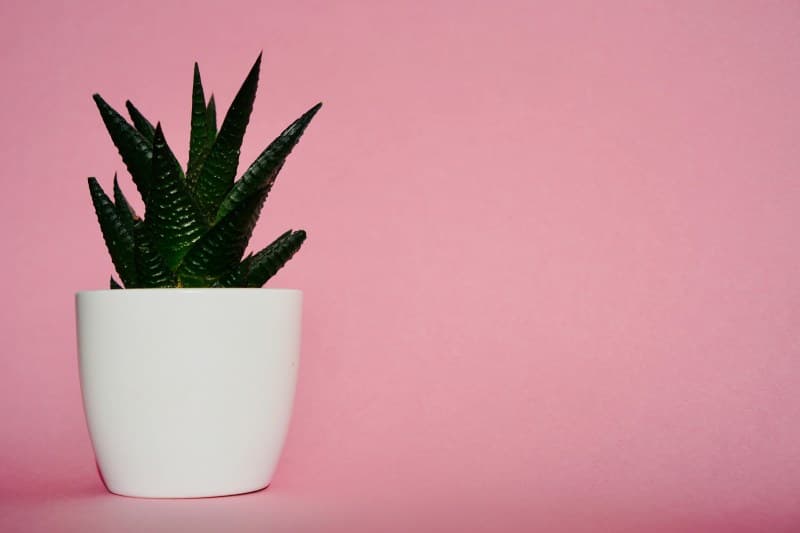
Last month, my friend Sarah told me she’d killed her favorite succulent. She’d followed a strict Sunday watering schedule, just like the plant tag said. But by the time she noticed the mushy, yellow leaves, it was too late. Sound familiar? The myth of fixed watering schedules is one of the biggest mistakes new plant parents make. Let’s break down the truth and debunk 7 common myths that might be harming your green friends.
The Truth About Watering Schedules
Plants don’t run on human calendars. Their water needs change with the season (less in winter when growth slows), humidity levels (dry air means more frequent watering), pot size (small pots dry faster), and soil type (well-draining soil needs more frequent water than compacted soil). A one-size-fits-all schedule ignores these variables—so it’s time to ditch the calendar and start observing.
7 Common Watering Myths Debunked
Myth 1: Water on the same day every week
Truth: The only rule here is to check soil moisture first. Stick your finger 1-2 inches into the soil—if it’s dry, water. If not, wait.
Myth 2: All plants need the same amount of water
Truth: A succulent needs way less water than a Boston fern. Succulents store water in their leaves; ferns thrive in consistently moist soil. Treating them the same is a recipe for disaster.
Myth 3: Overwatering is better than underwatering
Truth: Overwatering causes root rot, which is hard to reverse. Underwatering? Most plants bounce back quickly once you give them a drink. It’s safer to underwater than overwater.
Myth 4: You must water until water runs out the bottom
Truth: For plants like ferns, this is fine. But for succulents or cacti, letting water sit in the saucer leads to soggy roots. For these, water just enough to moisten the soil without pooling.
Myth 5: Tap water is fine for all plants
Truth: Chlorine and fluoride in tap water can harm sensitive plants like orchids or peace lilies. Let tap water sit overnight to let chemicals evaporate, or use filtered water for these plants.
Myth 6: Misting plants replaces watering
Truth: Misting adds humidity (great for ferns!), but it doesn’t hydrate the roots. Think of misting as a snack, not a meal.
Myth 7: Yellow leaves mean more water
Truth: Yellow leaves can signal overwatering (soft, mushy leaves) or underwatering (crispy, dry leaves). Always check the soil first before reaching for the watering can.
How to Tell When Your Plant Needs Water
- 🔍 Soil test: Stick your finger 1-2 inches deep—dry = water.
- ⚖️ Pot weight: Lift the pot; if it’s light, it’s time to water.
- 🍃 Leaf check: Crispy edges = underwater; mushy leaves = overwater.
Plant Type vs. Water Needs
Here’s a quick guide to common plants and their watering preferences:
| Plant Type | Soil Moisture Preference | General Watering Frequency | Key Notes |
|---|---|---|---|
| Succulent | Dry (top 2-3 inches) | Every 2-4 weeks (winter: less) | Avoid standing water; use well-draining soil. |
| Pothos | Slightly moist (top 1 inch dry) | Every 1-2 weeks | Tolerates underwatering; hates soggy roots. |
| Boston Fern | Consistently moist (never dry) | Every 3-5 days | Needs high humidity; mist leaves regularly. |
| Phalaenopsis Orchid | Dry (roots silvery-white) | Every 7-10 days | Water via soaking; let roots dry completely between waterings. |
Wisdom from the Garden
"Too much water drowns the plant, too little dries it up." — Traditional Gardening Proverb
This proverb sums up the balance needed in watering. Rigid schedules often push us to one extreme or the other. Taking time to observe your plants—their leaves, soil, and weight—helps you find that sweet spot.
FAQ: Common Watering Question
Q: Can I use leftover coffee or tea to water my plants?
A: It depends! Diluted, unsweetened coffee is great for acid-loving plants like roses or azaleas. Unsweetened tea adds nutrients, but avoid milk (it causes mold). Skip coffee/tea for succulents or cacti—they prefer neutral soil.
Caring for plants isn’t about checking boxes—it’s about paying attention. Ditch the schedule, get to know your plants, and you’ll see them thrive. Remember: Every plant is unique, just like you.