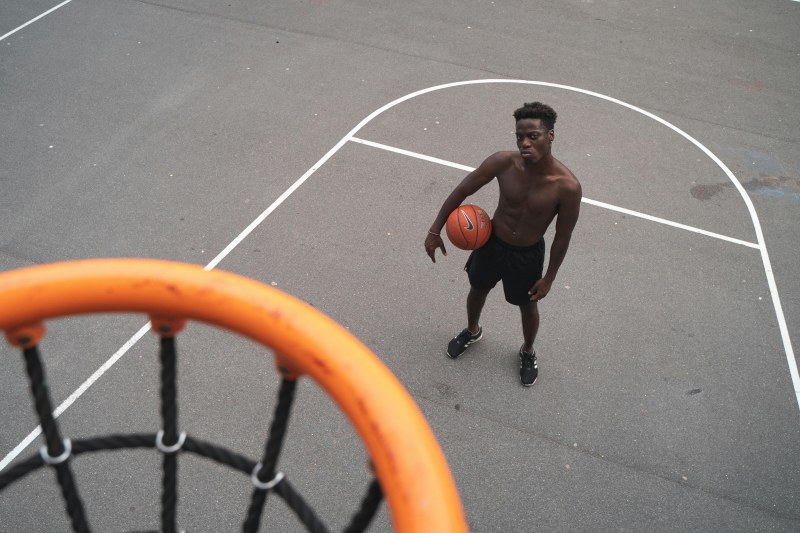
It’s 20 minutes into your weekly pickup soccer game. You’re sprinting to intercept a pass, and suddenly—gasp—your lungs feel like they’re squeezing shut. You slow down, hands on knees, watching the play move without you. Sound familiar? My friend Jake, a casual basketball player, used to hit this wall every single game. He’d drive hard in the first quarter, then fade so fast he’d spend the rest of the time on the bench. But after a few small changes, he’s now the guy who’s still making layups in the final minutes. Let’s break down why this happens and how you can avoid it.
Why That Mid-Game Breathlessness Hits So Hard
Casual athletes often assume breathlessness is just a sign of being out of shape, but it’s usually a mix of small, fixable factors:
- Inconsistent training: If you only play once a week, your body isn’t used to sustained effort. It’s like trying to run a 5K after months of sitting.
- Shallow breathing: When you’re focused on the game, you breathe from your chest instead of your diaphragm. This means less oxygen gets to your muscles.
- Skipping warm-ups: Jumping straight into intense play shocks your cardiovascular system, making it harder to keep up.
- Mild dehydration: Even losing 1-2% of your body weight in water can reduce endurance by 10-20%.
7 Ways to Keep Up Without Burning Out
You don’t need to train like a pro to stay in the game. Try these simple tweaks:
- Interval training: 2-3 times a week, do 10 minutes of 30-second sprints followed by 1-minute walks. This mimics game conditions and builds both speed and stamina.
- Practice deep breathing: Before games, take 5 minutes to breathe slowly—inhale for 4 counts, hold for 2, exhale for 6. This trains your body to use oxygen more efficiently.
- Warm up properly: Do dynamic stretches (leg swings, arm circles) for 5-10 minutes before playing. This gets blood flowing to your muscles.
- Hydrate smart: Drink 1-2 cups of water 30 minutes before the game, and sip small amounts during breaks. Avoid sugary sports drinks unless you’re playing for over an hour.
- Build muscular endurance: 2 times a week, do bodyweight exercises like squats, lunges, and planks. Stronger muscles tire less quickly.
- Pace yourself: Don’t sprint every play. Save your energy for key moments—like a breakaway or a crucial pass.
- Sleep 7-8 hours: Your body repairs and builds stamina while you sleep. Skipping sleep can reduce endurance by up to 30%.
What Type of Endurance Do You Need?
Not all endurance is the same. Here’s how to focus on the right kind for your sport:
| Type of Endurance | What It Does | How to Build It |
|---|---|---|
| Aerobic | Keeps you going for long periods (e.g., a 90-minute soccer game) | Steady jogs or bike rides for 20-30 minutes |
| Anaerobic | Power short bursts (e.g., a basketball layup or soccer sprint) | Interval sprints or hill repeats |
| Muscular | Helps you sustain effort (e.g., holding a defensive stance) | Bodyweight exercises or light weight training with high reps |
A Word From the Wise
“Endurance is not just the ability to bear a hard thing, but to turn it into glory.” — William Barclay
This quote isn’t just for pro athletes. For casual players, endurance is about staying in the game, laughing with friends, and enjoying every moment—without gasping for air.
FAQ: Your Burning Questions Answered
Q: Do I need to run long distances to improve my game endurance?
A: No! Long runs are great for aerobic endurance, but for casual sports (which mix sprints and stops), interval training is more effective. It mimics game conditions and builds both aerobic and anaerobic endurance without the boredom of long runs.
Q: Can I improve my endurance in a month?
A: Yes! Consistently doing the 7 tips above for 4 weeks will make a noticeable difference. Jake saw improvement in just 3 weeks—he went from sitting out half the game to playing the entire time.