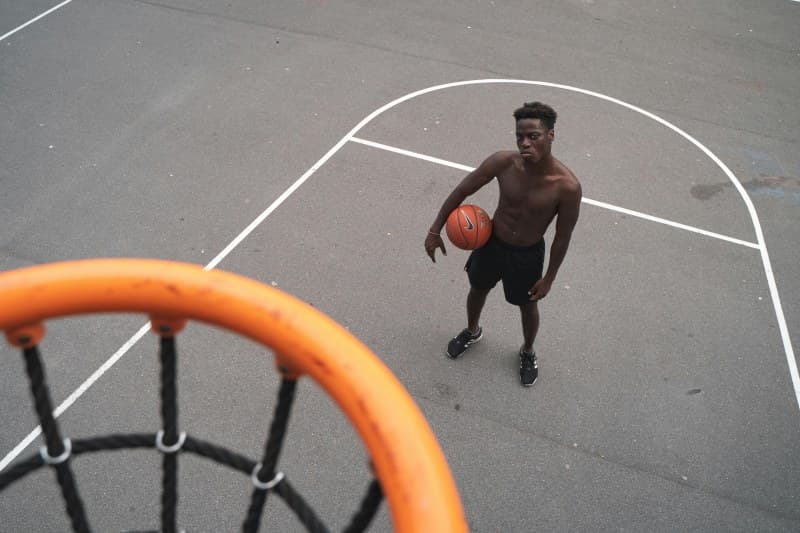
My friend Jake loves basketball—he’s quick on his feet, nails layups from across the court, and can dribble through a crowd like it’s nothing. But ask him to take a free throw, and his hands start shaking. He’d rush the shot, forget to follow through, and watch the ball clank off the rim. Sound familiar? Missing free throws isn’t just about bad luck—it’s usually a mix of form, focus, and pressure.
Why Those Free Throws Keep Missing 🏀
Let’s break down the common culprits:
1. Muscle memory gaps: If your pre-shot routine changes every time (one day you bounce the ball twice, the next five), your body doesn’t build a consistent habit.
2. Mental pressure: In a game, the crowd’s eyes or the score can make you overthink—you rush instead of focusing on the basics.
3. Inconsistent follow-through: Many players stop their motion as soon as they release the ball, but a good follow-through (wrist flick, holding the pose) helps the ball arc correctly.
3 Ways to Fix Your Free Throw Slump
1. Lock in a Consistent Pre-Shot Routine 💡
Your routine should be the same every time—no exceptions. For example: bounce the ball 3 times, take a deep breath, and align your feet with the free-throw line. This calms your nerves and tells your body it’s time to shoot. Jake started doing this, and within a week, his shots felt more natural.
2. Focus on the Follow-Through (Not Just the Shot)
After releasing the ball, keep your wrist flicked and your arm up for 1-2 seconds. Think of it like you’re reaching for the top of the hoop. This small step helps the ball spin correctly and land softly in the net. I once watched a high school coach make his team hold the follow-through for 5 seconds after every shot—their free-throw percentage jumped by 15% in a month.
3. Practice Under Pressure (Simulate Game Scenarios)
Practicing alone is great, but it doesn’t prepare you for game-day stress. Ask a friend to count down from 5 before you shoot, or have them cheer (or boo) like a crowd. This teaches your brain to stay focused when it matters. Jake started practicing with his little brother yelling “hurry up!”—and suddenly, game-time free throws felt easier.
Compare the 3 Fixes: Which Works for You?
Not sure which fix to try first? Here’s a quick breakdown:
| Fix Method | Time to See Results | Effort Level | Best For |
|---|---|---|---|
| Consistent Routine | 1-2 weeks | Low (just stick to a habit) | Players who change their routine often |
| Follow-Through Focus | 3-5 days | Medium (requires conscious effort) | Players who rush their shot |
| Pressure Practice | 2-3 weeks | High (needs a partner or scenario) | Players who choke in games |
A Classic Quote to Keep You Going
“Practice like you’ve never won, play like you’ve never lost.” — Michael Jordan
Jordan was famous for practicing free throws for hours every day—even when he was already the best. This quote reminds us that consistency in practice beats talent alone. Jake taped this quote to his basketball hoop, and it’s now his go-to motivation when he feels frustrated.
FAQ: Your Free Throw Questions Answered
Q: How many free throws should I practice per day?
A: Quality over quantity! Aim for 50-100 shots, but focus on your routine and follow-through. If you’re rushing or losing form, take a break—bad practice is worse than no practice.
Q: Does height matter for free throws?
A: Not as much as you think! Shorter players can have great free-throw percentages (like Steve Nash, who’s 6’3” and had a 90% career free-throw rate). It’s all about form and consistency.
At the end of the day, free throws are about patience and practice. Jake now makes 8 out of 10 free throws—all because he stopped rushing and focused on the small, consistent steps. Next time you’re on the court, give these fixes a try—you might be surprised at how much your game improves!