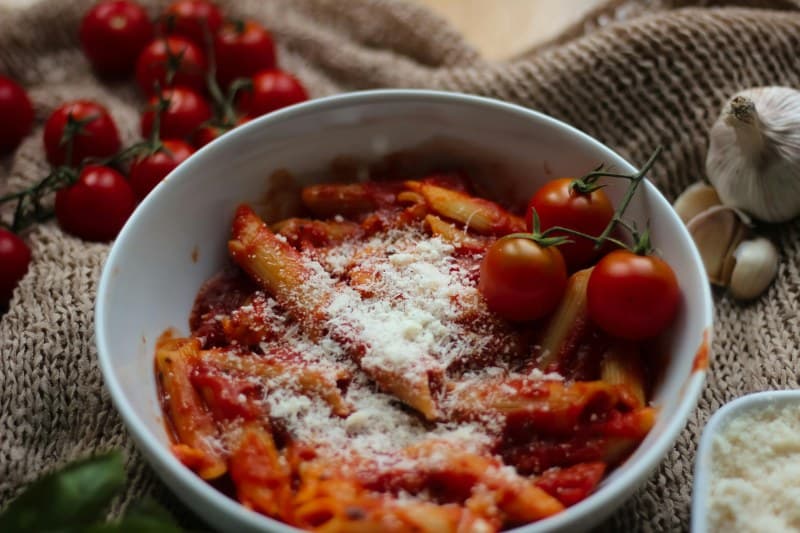
Last week, I tried to impress my roommate and her mom with a homemade spaghetti dinner. I followed the package’s 12-minute cook time to the second, but when I drained the noodles, they were so mushy they stuck together like glue. Her mom laughed and said, “Honey, you overcooked it.” Embarrassing? Yes. But it made me dive into why pasta goes mushy—and how to fix it for good.
Why Does Pasta Turn Mushy?
Before we fix the problem, let’s understand the culprits:
- Overcooking: The #1 reason. Package times are guidelines, not rules—noodles keep cooking even after you drain them.
- Too little water: Pasta needs space to move. Crowded noodles clump and cook unevenly, leading to some parts mushy and others underdone.
- Not stirring early: If you skip stirring right after adding pasta to boiling water, noodles stick together, trapping heat and making them mushy.
4 Ways to Cook Al Dente Every Time
1. Use a Big Pot & Lots of Water
For every pound of pasta, use 4–6 quarts of water. This gives noodles room to float and cook evenly. I now use a 6-quart pot for 1 lb of spaghetti—no more clumps!
2. Taste Early & Often
Start tasting 1–2 minutes before the package time ends. Al dente means “to the tooth”—slightly firm in the center. If it’s still crunchy, cook 30 seconds more; if it’s soft, drain immediately.
3. Don’t Overcrowd the Pot
Cooking a big batch? Split it into two pots. Crowded pasta leads to uneven heat distribution, which turns noodles mushy. Trust me—I learned this the hard way when I tried to cook 2 lbs of penne in a small pot.
4. Drain Immediately (Skip Rinsing Unless Cold Pasta)
As soon as noodles are al dente, drain them. Rinsing washes away starch that helps sauce stick—only do it if you’re making cold pasta salad (to stop cooking).
Myth Busting: What You’ve Been Doing Wrong
- Myth: Adding oil to pasta water prevents sticking. Truth: Stirring does! Oil makes sauce slide off noodles—save it for the pan.
- Myth: Water must taste like sea water to flavor pasta. Truth: 1 tbsp of salt per 4 quarts is enough—too much salt doesn’t help.
- Myth: Breaking pasta in half makes it easier to cook. Truth: It’s fine for small pots, but it doesn’t affect mushiness—traditionalists just hate it.
Pasta Shape vs Cook Time: Quick Guide
Different shapes need different times to reach al dente. Here’s a handy table:
| Pasta Shape | Recommended Cook Time (minutes) | Pro Tip |
|---|---|---|
| Spaghetti | 8–10 | Taste at 8 minutes—spaghetti cooks fast! |
| Penne | 10–12 | Check the center of a penne—should be slightly firm. |
| Fettuccine | 9–11 | Don’t overcook—fettuccine gets mushy quickly. |
| Farfalle (Bowtie) | 11–13 | Wait until the edges are soft but the center is firm. |
Q&A: Common Pasta Questions
Q: Can I save overcooked pasta?
A: If it’s slightly mushy, toss it with a thick sauce (like pesto or carbonara) to add texture. If it’s really bad, turn it into pasta salad (rinse with cold water) or use it in a soup—mushy noodles absorb broth well!
“The only real stumbling block is fear of failure. In cooking you’ve got to have a what-the-hell attitude.” — Julia Child
This quote sums up pasta cooking perfectly. Don’t be afraid to taste early, adjust times, or even mess up. Even pros overcook pasta sometimes—what matters is learning from it. Next time you make pasta, try these tips, and you’ll nail al dente every time!