Last week, my roommate tried to bake chocolate chip cookies without preheating the oven. She popped the tray in cold, crossed her fingers, and 15 minutes later, they were flat, greasy messes. She sighed and said, “I thought preheating was just a suggestion!” Sound familiar? Let’s clear up the confusion around this common cooking step.
The Truth About Preheating: When It Matters (And When It Doesn’t)
Preheating your oven isn’t just a box to tick—it’s about giving your food the right environment to cook properly. For baked goods like cookies or cakes, quick, even heat helps leavening agents (baking soda, powder) expand fast, creating that fluffy texture we love. For roasted veggies, high heat sears the surface, locking in flavor and making edges crispy. But for dishes with long cooking times, like slow-cooked casseroles or braised meats, starting in a cold oven is often fine— the gradual heat build-up can even tenderize ingredients better.
Let’s break down which recipes need preheating and why:
| Recipe Type | Need Preheating? | Why? | What Happens If You Skip? |
|---|---|---|---|
| Chocolate Chip Cookies | Yes | Leavening agents need quick heat to expand, creating fluffy texture. | Flat, greasy cookies with no rise. |
| Roasted Broccoli | Yes | High heat sears the surface, locking in flavor and crispy edges. | Soggy, steamed broccoli instead of caramelized. |
| Beef Stew Casserole | No | Long cooking time allows oven to heat gradually, tenderizing meat. | Minor delay in cooking time—no major texture issues. |
Debunking 2 Common Preheating Myths
Myth 1: Preheating is always necessary
Many home cooks think every recipe requires preheating, but that’s not true. Dishes that cook for 45 minutes or more (like lasagna or pot roasts) can start in a cold oven. The slow heat build-up helps ingredients cook evenly without burning the top. For example, my grandma’s lasagna recipe never uses preheating—she says it makes the layers meld together better.
Myth 2: Preheating takes too long (and you can’t speed it up)
Preheating usually takes 10-15 minutes, but there are ways to cut this time. Convection ovens preheat 25% faster than regular ovens. You can also preheat while you prep ingredients—chop veggies or mix batter while the oven warms up. And most ovens beep when they’re ready, so you don’t have to guess!
“Cooking is like love: it should be entered into with abandon or not at all.” — Harriet Van Horne
This quote reminds us that small steps like preheating are part of giving your dish the attention it deserves. Skipping them might save time, but it can take away from the final result—just like rushing a relationship.
Quick Q&A: Your Preheating Questions Answered
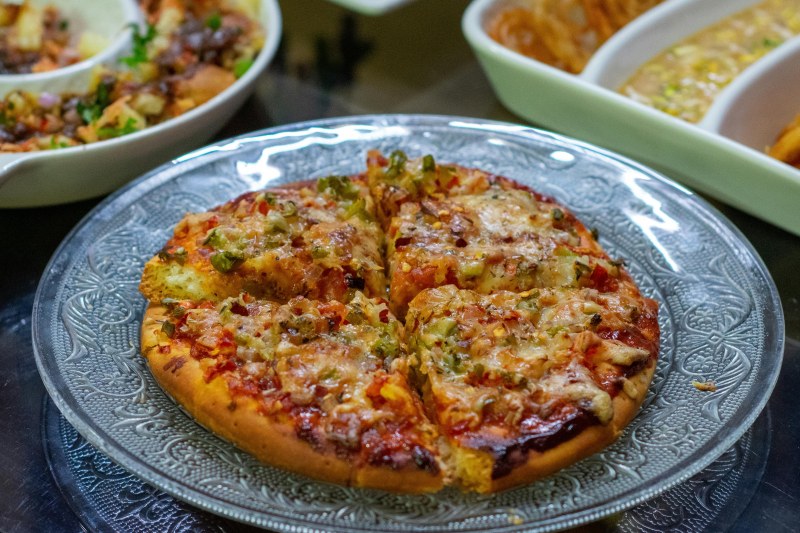
Q: Can I skip preheating if I’m making pizza?
A: No! Pizza needs a hot oven (450°F/230°C or higher) to get a crispy crust. Skipping preheating will result in a soggy base and undercooked toppings.
Q: How do I know if my oven is preheated correctly?
A: Use an oven thermometer—many ovens are off by 25-50°F. This ensures you’re cooking at the right temperature for your recipe.
Next time you’re in a rush to cook, take a minute to think: does this dish need preheating? A little patience goes a long way in making your food taste its best. And remember—even the best cooks make mistakes (my roommate’s cookies are now a running joke in our apartment!).