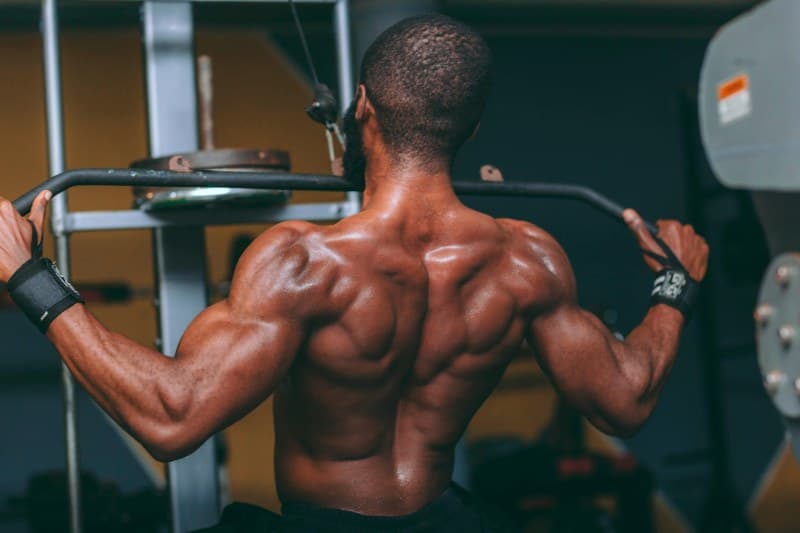
Mia had been curious about HIIT classes for months, so she finally took the plunge last Saturday. By Monday, every muscle in her legs and arms ached—she could barely reach for her coffee mug without wincing. If you’ve ever felt that lingering post-workout soreness that sticks around longer than expected, you’re not alone. Let’s break down why it happens and how to ease it with 7 gentle methods.
Why Does That Soreness Linger?
That slow-building ache you feel 24-72 hours after a workout is called Delayed Onset Muscle Soreness (DOMS). It happens when you try new exercises or push your muscles harder than usual—tiny tears form in the muscle fibers. Your body responds with inflammation to repair those tears, which causes the soreness. Think of it as your muscles adapting and getting stronger, but the recovery process can feel uncomfortable.
"Rest is not idleness, and to lie sometimes on the grass under trees on a summer's day, listening to the murmur of the water, or watching the clouds float across the sky, is by no means a waste of time." — John Lubbock
This quote reminds us that recovery is as important as the workout itself. Lingering soreness is a sign your body needs time to repair, but there are gentle ways to speed up the process without straining yourself.
7 Gentle Ways to Ease Lingering Soreness
Here’s a quick comparison of 5 key methods to help you choose what works best for your schedule and comfort:
| Method | Effort Level | Time to Results | Pros |
|---|---|---|---|
| Active Recovery (Walking/Yoga) | Low | 1-2 hours | Boosts blood flow without straining muscles |
| Foam Rolling | Medium | 15-30 minutes | Releases tight knots and reduces inflammation |
| Cold Therapy (Ice Pack) | Low | 10-15 minutes | Numbs pain and reduces swelling |
| Heat Therapy (Warm Bath) | Low | 20-30 minutes | Relaxes muscles and improves flexibility |
| Gentle Stretching | Low | 10-20 minutes | Improves range of motion and reduces stiffness |
Two more easy methods to add to your routine:
- Hydrate: Drinking water helps flush out toxins from muscle repair. Aim for 8-10 glasses a day, especially after workouts.
- Protein Intake: Eat a protein-rich snack (like Greek yogurt or a protein shake) within 1-2 hours of your workout. Protein helps repair those tiny muscle tears faster.
Mia tried foam rolling every night for 15 minutes and went for a 20-minute walk each day. By Wednesday, her soreness was almost gone—she could write on the whiteboard without wincing. She also added a protein smoothie to her post-workout routine, which she thinks helped speed up her recovery.
Common Q&A
Q: Is it okay to work out when I’m still sore?
A: Yes, but choose light activity like walking or yoga. Avoid doing the same intense exercises that caused the soreness. For example, if your legs are sore from squats, skip leg day and do upper body instead. Light movement helps blood flow to the sore muscles, which can ease the ache.
Myth Busting: Does More Pain Mean More Gain?
Many people think that lingering soreness means they had a great workout—but that’s not true. You can build strength and endurance without being sore for days. DOMS is just a sign your muscles are adapting to new movements, not a measure of how effective your workout was. Focus on consistency over pain!
Remember, recovery is key to fitness progress. Listen to your body, try these gentle methods, and you’ll be back to your favorite workouts in no time.