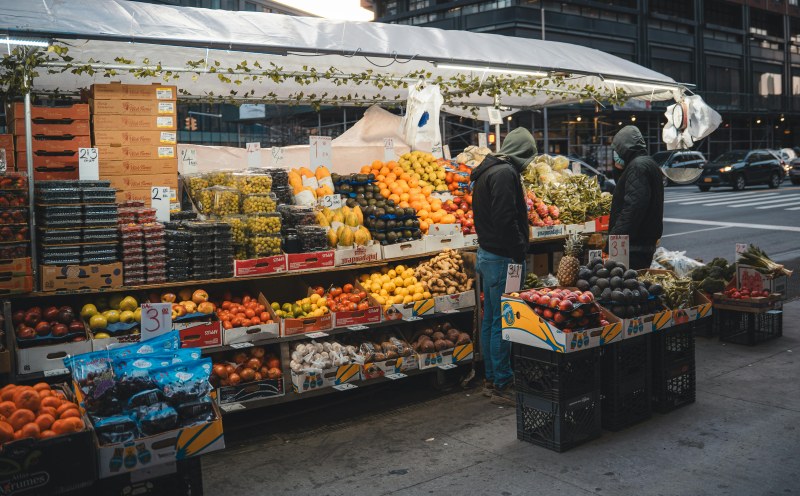
Last year, my friend Lila visited Bangkok for the first time. She’d read all the warnings about street food being unsafe, so she stuck to hotel restaurants for the first three days—until she saw a crowd of locals huddled around a pad thai stall. Curious, she joined them. The dish was crispy, tangy, and full of flavor, and she felt perfectly fine afterward. That moment changed her view: street food isn’t just risky—it’s often the best way to taste a country’s soul.
The Big Myth: Is Street Food Unsafe?
The short answer? No. While some street food stalls might be unsanitary, many are not. In fact, busy local stalls often turn over food quickly, meaning it’s fresh. The key is knowing how to choose wisely.
7 Common Street Food Myths Debunked
- Myth 1: All street food is unhygienic. Truth: Many stalls follow strict hygiene rules. Look for stalls where the vendor wears gloves, uses clean utensils, and keeps food covered.
- Myth 2: Raw fruits/veggies are always dangerous. Truth: If they’re peeled (like mangoes or bananas) or washed in clean water, they’re safe. Avoid pre-cut fruits that sit out for hours.
- Myth 3: Busy stalls are more risky. Truth: The opposite! A crowd means the food is fresh and popular—locals know best.
- Myth 4: Street food causes stomach bugs every time. Truth: Most cases of traveler’s diarrhea come from tap water, not street food. Stick to bottled water and hot, cooked dishes.
- Myth 5: Vendors don’t wash their hands. Truth: Many vendors wash their hands regularly, especially if they handle food directly. Look for stalls with a hand-washing station.
- Myth 6: Street food is only for budget travelers. Truth: Street food can be gourmet! In cities like Mexico City or Tokyo, street vendors serve high-quality dishes that rival restaurant fare.
- Myth 7: You should avoid street food in developing countries. Truth: Developing countries often have the most vibrant street food scenes. Just use common sense—choose stalls with fresh, hot food.
How to Choose Safe Street Food: Good vs Bad Signs
Use this quick guide to pick the best stalls:
| Good Signs | Bad Signs |
|---|---|
| Crowded with locals | Empty or few customers |
| Vendor wears gloves/hairnet | Vendor touches food with bare hands |
| Food is hot and freshly cooked | Food sits out at room temperature |
| Utensils are clean or disposable | Utensils are dirty or reused without washing |
| Stall is clean (no garbage around) | Stall is messy or has flies |
A Classic Quote on Food and Travel
“Street food is the soul of a country. It’s where you find the real flavor, the real people, and the real culture.” — Anthony Bourdain
This quote sums it up: street food isn’t just about eating—it’s about connecting with the local community. When you eat at a street stall, you’re not just trying a dish; you’re sharing a moment with the vendor and other locals.
FAQ: Common Street Food Question
Q: I have a sensitive stomach—can I still eat street food?
A: Yes! Follow these tips: Choose stalls with hot, freshly cooked food (heat kills bacteria), avoid raw or undercooked dishes, peel fruits yourself, and carry a small bottle of hand sanitizer. You can also start with mild dishes before trying spicier ones.
Final Thoughts
Street food is one of the best parts of traveling. Don’t let myths hold you back from trying delicious, authentic dishes. With a little common sense, you can enjoy street food safely and make unforgettable memories. So next time you’re abroad, skip the tourist traps and head to the nearest street stall—your taste buds will thank you!