Last week, I tried baking chocolate chip cookies for my neighbor’s kid’s birthday. I followed the recipe to the letter—measured every ingredient, set the oven to the right temp—but when they came out of the oven, they were flat as pancakes. I was so embarrassed I hid them in the back of the pantry. Sound familiar? We’ve all been there: spending time on cookies only to get results that don’t match our expectations.
Why Do Homemade Cookies Go Wrong? Common Culprits
Small missteps in measuring, mixing, or timing can throw off an entire batch. Let’s break down three of the most common cookie disasters and their main causes:
| Problem | Main Cause | Quick Fix |
|---|---|---|
| Flat, spread-out cookies | Too much butter (softened beyond room temp) or not enough flour | Chill dough for 30 mins before baking; measure flour with a spoon & level |
| Chewy instead of soft | Overbaking or using only brown sugar (retains more moisture) | Underbake by 1-2 mins; mix white & brown sugar for balance |
| Crumbly, dry cookies | Too much flour or not enough butter | Add 1 tbsp milk to dough; measure flour correctly |
7 Easy Fixes to Bake Perfect Cookies Every Time
These simple adjustments can turn your next batch from “meh” to “wow”:
- Chill your dough: Slowing down the spread with a 30-minute chill in the fridge was the fix for my flat cookie disaster. The next batch was plump and had just the right shape.
- Measure flour correctly: Spoon flour into the measuring cup, then level with a knife. Scooping directly from the bag packs too much flour, leading to dry cookies.
- Don’t oversoften butter: Butter should be room temp (65°F/18°C)—not melted. Melted butter makes cookies spread uncontrollably.
- Underbake slightly: Take cookies out when edges are golden but centers are still soft. They’ll continue cooking on the hot tray after you remove them.
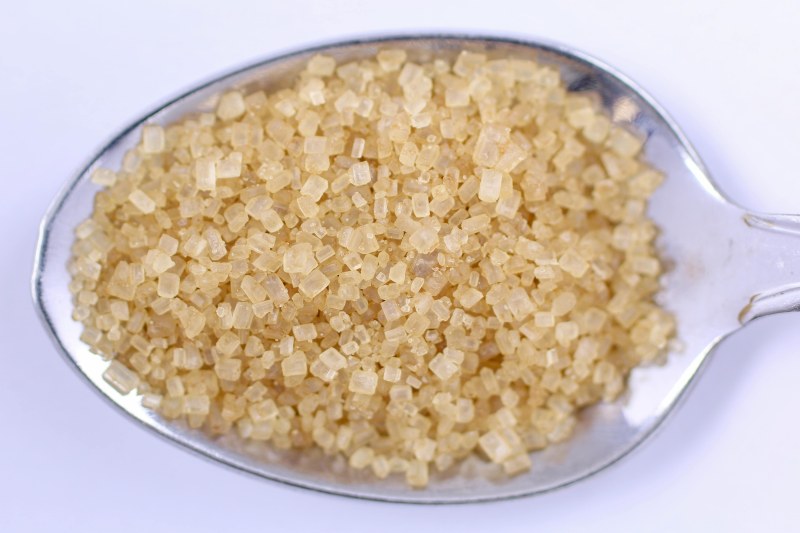
- Use the right sugar mix: White sugar adds crispness, brown sugar adds chew. A 50-50 mix gives soft, balanced cookies that everyone loves.
- Don’t overmix the dough: Mix until ingredients are just combined—overmixing develops gluten, making cookies tough instead of tender.
- Line your tray with parchment paper: This prevents sticking and ensures even baking. No more burnt bottoms or cookies that break when you try to lift them!
Wisdom from the Pros
“The only real stumbling block is fear of failure. In cooking, you’ve got to have a what-the-hell attitude.” — Julia Child
Julia Child’s words ring true for cookie baking. Don’t let a flat or crumbly batch stop you—experiment with these fixes, and you’ll get it right eventually. Even the best bakers have bad days in the kitchen.
FAQ: Can I Fix Already Baked Cookies?
Q: I baked my cookies and they’re too hard—can I save them?
A: Yes! Put the cookies in an airtight container with a slice of bread (or a damp paper towel) overnight. The bread will release moisture, softening the cookies. For cookies that are too soft, pop them back in the oven at 300°F/150°C for 5-10 minutes to crisp them up.
Baking cookies is part science, part art. With these fixes, you’ll be able to avoid common mistakes and bake cookies that are soft, chewy, or crisp—whatever you’re craving. Next time you’re in the kitchen, remember: every batch is a learning opportunity. Happy baking!