We’ve all been there: you get your paycheck, vow to save a chunk, then by the end of the month, your bank account is empty. Sarah, a 28-year-old graphic designer earning $60k a year, felt this way for years. She’d buy $5 lattes daily, splurge on impulse clothes, and wonder why she had zero savings. It wasn’t until she recognized the psychological traps holding her back that she started making progress. Let’s break down those traps and how to beat them.
7 Psychological Barriers to Saving (And Their Fixes)
1. Instant Gratification Bias
Our brains are wired to prioritize immediate rewards over future ones. That new pair of shoes feels better right now than a retirement fund 30 years from now. Fix: Use the 30-day rule—wait 30 days before buying non-essential items. If you still want it after a month, consider it. Sarah used this rule and cut her impulse spending by 40%.
2. Anchoring Effect
We compare our spending to others (e.g., “My friend buys $100 dinners, so I can too”). This leads to overspending to keep up. Fix: Create a budget based on your income, not others’ habits. Track your expenses for a month to see where your money really goes.
3. Loss Aversion
We hate losing money more than we love gaining it. This makes us avoid putting money into savings (it feels like a loss). Fix: Frame savings as a “gain” instead of a loss—think of it as investing in your future self. Sarah started calling her savings account her “Adventure Fund” to make it feel exciting.
4. Decision Fatigue
Too many choices (e.g., which savings account to use, how much to save) can paralyze you. Fix: Automate your savings—set up a monthly transfer from your checking to savings account. This removes the decision and makes saving effortless.
5. Scarcity Mindset
Believing “there’s never enough money” makes you overspend to cope with fear. Fix: Practice gratitude for what you have. Each week, list 3 things you can afford that bring you joy (e.g., a walk in the park, a home-cooked meal). This shifts your focus from lack to abundance.
6. Overconfidence
We often underestimate our expenses (e.g., “I won’t spend that much on groceries this month”). Fix: Use a budgeting app to track every expense. Sarah was shocked to find she spent $150/month on snacks—cutting that saved her $1,800 a year.
7. Emotional Spending
Using money to cope with stress, sadness, or boredom (e.g., retail therapy). Fix: Find alternative coping mechanisms—like going for a run, calling a friend, or reading a book. When Sarah felt stressed, she started painting instead of shopping.
Key Barriers vs Fixes vs Myths: A Quick Comparison
Here’s a snapshot of 3 common barriers and how to separate fact from fiction:
| Barrier | Signs | Fix | Myth to Debunk |
|---|---|---|---|
| Instant Gratification | Buying non-essentials on impulse | 30-day rule | “I deserve this” = “I can’t save” (You can treat yourself and save—balance is key) |
| Anchoring Effect | Spending to match friends/family | Budget based on your income | “Everyone else does it” = “It’s okay” (Your financial goals are unique) |
| Scarcity Mindset | Hoarding small amounts or overspending | Gratitude practice | “I’ll never have enough” = “I can’t save” (Even small savings add up) |
Wisdom from the Past
“A penny saved is a penny earned.” — Benjamin Franklin
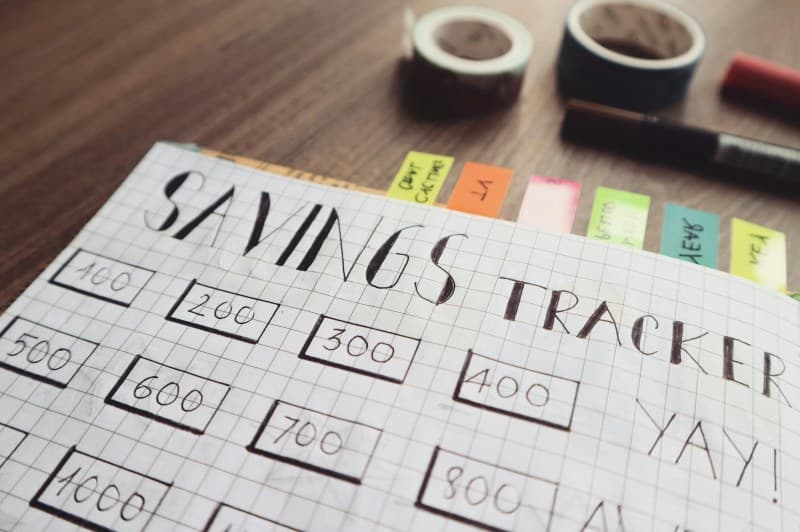
This classic quote isn’t just about small amounts—it’s about the mindset shift from spending to saving. Every penny you save is money you keep for your future, not someone else’s pocket. Sarah started saving her change in a jar and was surprised to find $200 after 3 months.
FAQ: Common Question About Saving
Q: I make minimum wage—can I still save?
A: Yes! Even $5-$10 a week adds up. Try the “round-up” method: round every purchase to the next dollar and save the difference. For example, if you buy a $3.25 snack, save $0.75. Over a year, that’s ~$390. Every little bit counts.
Saving isn’t about being perfect—it’s about making small, consistent changes. By recognizing these psychological barriers and using the fixes above, you can start building your savings and feel more in control of your money.